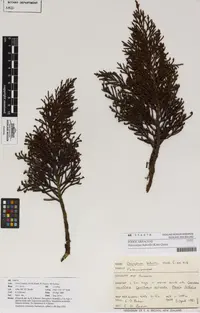
Sawara Cypress Care (Chamaecyparis pisifera 'Boulevard')

Also known as: Boulevard Cypress, Japanese Falsecypress, Blue Moss Cypress, Sawara False Cypress, Sawara
Sawara Cypress

About Sawara Cypress

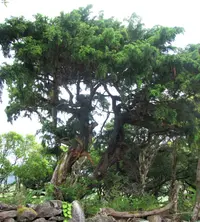
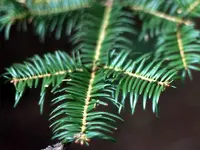
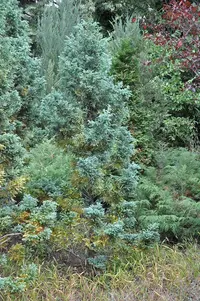
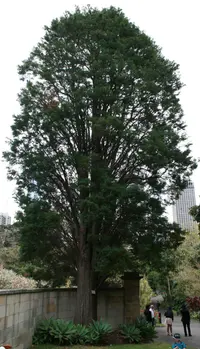
Chamaecyparis pisifera 'Boulevard' is a compact conifer cultivar of the Sawara cypress, valued for its fine, soft, blue-gray foliage and dense, upright habit. It stays relatively narrow, which makes it suitable for small gardens and foundation plantings.

This plant originates from a species native to Japan, adapted to cool, temperate climates with good air circulation. It generally prefers full sun to light shade, evenly moist but well-drained soil, and protection from harsh drying winds.

Growth is moderate, and the plant keeps a tidy, conical form with limited pruning, which makes it fairly manageable once established. Understanding how to care for Sawara Cypress helps keep the foliage dense and the color strong over many years.

Main Plant Requirements

Care Difficulty

Moderate Care

Light Preference

Full Sun

Water Requirements

Moderate Water

Temperature Preference

Cold Hardy

Hardiness Zone

4–8

Soil Texture

Sandy, Loamy, Organic-rich

Soil pH

Acidic (5.5–6.5), Slightly acidic (6.5–7.0)

Soil Drainage

Moist but well-drained

Fertilization

Minimal (feed rarely)

Get Personalized Care Plan

Scan your plant to receive care tips personalized for your specific plant

Available on iOS and Android

How to Care for the Sawara Cypress

This conifer prefers bright outdoor conditions with protection from harsh afternoon exposure.

  • Provide 4–6 hours of direct morning sun with light or dappled shade after midday to prevent foliage scorch on Sawara Cypress.
  • It tolerates partial shade, but in less than 3–4 hours of sun per day the blue-gray color softens and growth becomes looser.
  • In hot summers, use eastern exposure or filtered light from taller trees, and avoid reflective heat from walls or pavement.

This plant prefers evenly moist, well-drained soil rather than cycles of drought and saturation.

  • Water when the top 3–5 cm of soil feels dry, allowing water to soak deeply but drain freely to protect Chamaecyparis pisifera 'Boulevard' from root rot.
  • In the first 1–2 growing seasons, monitor closely during dry spells; drooping or dull, brittle foliage usually indicates underwatering.
  • Yellowing, soft foliage and a sour soil smell point to overwatering, so improve drainage and reduce frequency, especially in cool, wet seasons.

This hardy conifer tolerates cold winters but benefits from protection from extreme heat and drying winds.

  • Optimal growing temperatures are around 55–75°F (13–24°C) during the active season, with steady moisture in the root zone.
  • Mature plants survive down to about -20°F (-29°C), but young specimens appreciate mulch over roots to buffer freeze–thaw cycles.
  • In hot spells above 85–90°F (29–32°C), provide extra shade and soil moisture, as foliage can brown from heat and transpiration stress.

This conifer prefers moderate humidity and copes with most outdoor conditions in temperate climates.

  • Target 40–60% humidity, which is typical outdoor air in many regions where Sawara Cypress is grown.
  • Tolerates brief dry air but prolonged hot, very dry winds can brown inner foliage tips.
  • Humidity stress shows as crispy, browning needle tips and increased spider mite activity on inner shoots.
  • Increase humidity slightly by using mulch over the root zone and wind protection rather than misting foliage.

This plant prefers evenly moist, well-drained, structured soil that stays aerated around the roots.

  • Use a loamy, slightly sandy soil with 20–30% organic matter, such as composted bark or leaf mold, to balance moisture retention and drainage.
  • Aim for slightly acidic to neutral pH around 6.0–7.0, avoiding strongly alkaline soils that can cause nutrient lockout and chlorosis.
  • For container or bed preparation, mix mineral topsoil with pine bark fines and coarse sand or perlite to keep pore spaces open.
  • Avoid compacted clay, waterlogged spots, or soils with a hardpan layer; raised beds or mounded planting improve aeration and runoff for Chamaecyparis pisifera 'Boulevard'.

This species can grow successfully in containers for many years if the pot is chosen and managed carefully.

  • Select a tall, heavy container to counter its upright, slightly top-heavy growth and reduce tipping in strong winds.
  • Use a potting mix that drains faster than garden soil yet holds some moisture, such as bark-based mix with added coarse sand or perlite.
  • Choose light-colored or thick-walled pots in hot climates to reduce root-zone overheating and moisture loss from the container sides.

Chamaecyparis pisifera 'Boulevard' benefits from light, measured feeding rather than heavy fertilization.

  • Use a balanced slow-release fertilizer (for example 10-10-10) or compost worked lightly into the soil in early spring.
  • Feed once in spring and, if growth is weak, once again in mid-summer, avoiding late-season applications.
  • Apply at half the label rate for trees and shrubs to prevent salt buildup and overly lush, weak growth.
  • During late fall and winter, do not fertilize; allow the plant to remain dormant, especially in cold regions where caring for Sawara Cypress focuses on root health.

Chamaecyparis pisifera 'Boulevard' responds well to light structural pruning that maintains its natural form.

  • Prune in late winter to early spring before new growth starts, avoiding heavy summer or fall cuts.
  • Use clean, sharp hand pruners to remove dead, diseased, or damaged branches back to healthy wood.
  • Thin crowded interior shoots slightly to improve air flow and light penetration without cutting into bare, old wood.
  • Shape only the outer tips to refine the outline; avoid shearing deeply, as foliage may not resprout from older shaded stems.

This conifer is most often grown in the ground, so focus on careful transplanting or occasional container up-potting when rootbound.

  • Check for roots circling the pot drainage holes, slowed growth, or soil that dries out very fast as signals it needs a larger container or ground planting.
  • Plan transplanting for early spring or early fall, allowing mild conditions and consistent moisture for root establishment.
  • When moving to a new site, dig a wide hole, keep the root ball intact, and set the plant at the same soil level as before.
  • Water thoroughly after planting, then maintain even moisture and a light mulch layer to reduce root stress and temperature swings.

Chamaecyparis pisifera 'Boulevard' is usually propagated vegetatively to preserve its cultivar traits.

  • Use semi-ripe cuttings taken in late summer, 7–10 cm long, with a small heel of older wood if possible.
  • Remove lower foliage, dip the cut end in rooting hormone, and insert into a free-draining mix of sand and peat or similar substrate.
  • Maintain high humidity and bright, indirect light at 65–75°F, using a propagator or clear cover to limit moisture loss.
  • Allow several months for rooting, then gradually acclimate young plants to lower humidity before potting on into individual containers.

This cultivar is generally cold hardy but benefits from basic winter care, especially in exposed or container situations.

  • In-ground plants tolerate typical temperate winters but appreciate a 5–8 cm mulch layer over the root zone, kept away from the trunk.
  • For container specimens, move pots to a sheltered, unheated but frost-free or minimally frosty area if possible.
  • Wrap containers with insulating material to limit root freeze–thaw cycles, and water lightly during dry winter spells to prevent desiccation.

Care Tips

Shelter From Winter Wind

Plant in a spot protected from prevailing winter winds or use a low, breathable windbreak to reduce desiccation and browning of the soft juvenile foliage.

Mulch Root Zone

Maintain a 5–8 cm layer of bark mulch over the root zone, keeping it a few cm away from the trunk, to buffer soil temperature and moisture and protect shallow feeder roots from stress.

Gentle Form Correction

If a branch breaks or leans out of the natural conical shape, lightly stake or tie it with a soft, wide tie for 1 growing season instead of cutting it off, so the plant can rebuild a dense outline.

Check Graft Union

If the plant is grafted, inspect the graft union yearly and prune off any vigorous shoots emerging from below it so rootstock growth does not distort the form or outcompete the desired top.

Copper For Foliage Blight

In regions with wet springs, monitor inner foliage for browning and, if a needle blight is confirmed, remove affected twigs and apply a labeled copper-based fungicide during cool, wet periods as part of responsible caring for Sawara Cypress.

Common Pests and Diseases

Phytophthora canker

This disease causes sunken, reddish-brown cankers on stems and branches, often leading to dieback from the tips inward. Symptoms include browning foliage, resin exudation, and eventual death of affected branches.

Solution

Prune out infected branches several inches below visible symptoms and dispose of them, disinfecting tools between cuts. Improve drainage around the plant, avoid overwatering and waterlogged soil, and consider a labeled phosphonate fungicide drench in high-risk, poorly drained sites as part of broader Chamaecyparis pisifera 'Boulevard' care instructions.

Juniper blight

This disease, often caused by fungi such as Phomopsis or Kabatina, leads to browning and death of young shoots, especially in the inner and lower parts of the plant. Symptoms include tan to gray lesions on small twigs and a scattered pattern of dead tips.

Solution

Remove and discard blighted shoot tips during dry weather, cutting back into healthy green tissue, and thin overly dense growth to improve air movement. Avoid overhead watering, keep mulch pulled back from the base, and use a registered conifer fungicide on new growth in spring if the problem recurs yearly.

Cypress aphids

These insects feed on sap from stems and inner foliage, causing dulling, yellowing, and patchy browning, often starting on lower branches. This pest also excretes honeydew that can lead to sooty mold on nearby surfaces.

Solution

Inspect inner branches regularly and wash colonies off with a strong but controlled stream of water, especially early in the season. Encourage natural predators, cut out heavily affected shoots, and if needed apply a targeted insecticidal soap or horticultural oil, making sure to wet inner foliage thoroughly.

Spider mites

This pest causes fine stippling, a dull gray-green appearance, and eventual bronzing of foliage, especially in hot, dry conditions. Symptoms include very fine webbing on inner branchlets and noticeable leaf drop if infestations are heavy.

Solution

Rinse foliage thoroughly with water, focusing on inner and lower branches, and repeat several times over 1–2 weeks to reduce populations. Increase humidity around the plant, reduce heat stress, and use horticultural oil or a miticide labeled for conifers if washing alone does not stop damage.

Bagworms

These insects build small spindle-shaped bags made from foliage and silk that hang from branches and can strip sections of the plant, causing thin, brown patches. Symptoms include defoliation on selected branches and numerous brown or greenish bags that look like miniature pinecones.

Solution

Hand-pick and destroy bags during fall, winter, or very early spring before larvae emerge, focusing on the entire plant canopy. For heavy infestations on larger plants, use a biological insecticide containing Bacillus thuringiensis (Bt) on young larvae in late spring, following label directions carefully.

Interesting Facts

Juvenile-like foliage

This cultivar keeps soft, fine, needle-like juvenile foliage for many years, instead of quickly changing to the scale-like adult leaves typical of many other Chamaecyparis species, which gives it a distinct, fluffy texture.

Stable blue-gray color

The needles show a consistent blue-gray to silvery tone that comes from waxy coatings on the foliage surfaces, and this color tends to remain relatively stable across seasons compared with many other conifer cultivars.

Compact, narrow habit

Selected as an ornamental form, it naturally forms a dense, narrow conical shape with many short, closely spaced branchlets, which is why it is widely used in small gardens and containers by gardeners interested in Chamaecyparis pisifera 'Boulevard' plant care.

FAQs about Sawara Cypress

Brown foliage usually results from underwatering, salt or fertilizer burn, winter wind scorch, or root damage. Check soil moisture, avoid heavy salt or fertilizer exposure, mulch the root zone, and prune only dead branch tips to reduce stress.

Grow Healthy Plants with Botan Care

Keep your plants happy and healthy with plant identification, disease detection, and easy care guidance.

Botan plant care app — identify plants on mobile

Explore More Plants