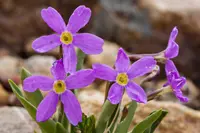
Chocolate Cosmos Care (Cosmos atrosanguineus)

Chocolate Cosmos

About Chocolate Cosmos

Chocolate cosmos (Cosmos atrosanguineus) is a tuberous perennial flowering plant valued for its deep burgundy, almost black, daisy-like blooms and rich, cocoa-like scent. It grows as a compact, clump-forming plant with slender stems and fine, dark green foliage, making it suitable for borders and containers.

This species originates from Mexico and is often grown in temperate climates as a tender perennial or summer bedding plant. It rewards consistent, attentive gardeners, as it can be somewhat sensitive to cold and wet conditions.

To care for Chocolate Cosmos, provide a sunny, sheltered spot with well-drained soil and moderate, even moisture to help maintain healthy growth and abundant flowering.


Main Plant Requirements

Care Difficulty

Moderate Care

Light Preference

Full Sun

Water Requirements

Moderate Water

Temperature Preference

Tropical / Frost Sensitive

Hardiness Zone

9–11

Soil Texture

Sandy, Loamy, Organic-rich

Soil pH

Acidic (5.5–6.5), Slightly acidic (6.5–7.0)

Soil Drainage

Well-drained

Fertilization

Light (every 4–6 weeks)

Get Personalized Care Plan

Scan your plant to receive care tips personalized for your specific plant

Available on iOS and Android

How to Care for the Chocolate Cosmos

This sun-loving tuberous perennial flowers best with strong, direct light in most climates.

  • Provide 6–8 hours of direct sun daily; in hotter regions, aim for morning sun with light afternoon shade to prevent stress to Chocolate Cosmos flowers and foliage.
  • In very hot, dry areas, give filtered or dappled light during the peak afternoon (12–4 p.m.) to limit leaf scorch and premature bud drop.
  • If stems stretch, foliage pales, or flowering declines, the site is too shaded; move plants to a brighter bed or thin surrounding vegetation.

This plant prefers evenly moist but not saturated soil, with short dry periods between waterings.

  • Allow the top 3–5 cm of soil to dry before watering, then soak the root zone thoroughly so moisture reaches the tubers, especially during active summer growth.
  • Use free-draining soil and avoid standing water; yellowing, soft stems or a sour soil smell suggest overwatering and risk of tuber rot in Cosmos atrosanguineus.
  • In hot, windy weather, monitor more often, while in cooler or rainy periods reduce watering; crisp leaves and drooping stems that do not recover by evening indicate underwatering.

This species thrives in warm, frost-free conditions and is often treated as a tender perennial in cooler regions.

  • Aim for 65–80°F (18–27°C) during active growth; flowering and foliage quality decline if temperatures stay below 60°F (16°C) for long periods.
  • Plants are frost-sensitive; growth stops near 40°F (4°C) and tubers can be damaged below 32°F (0°C), so lift or mulch heavily in cold-winter climates.
  • Established plants tolerate short spikes up to about 90°F (32°C) if soil moisture is stable, but extended extreme heat can shorten bloom life and cause wilting.

This species grows best in typical outdoor humidity and does not need special moisture in the air.

  • Aim for 30–50% humidity; Chocolate Cosmos tolerates drier air as long as soil moisture is consistent.
  • Dry air stress shows as crisp leaf edges and faster wilting between waterings rather than spotting or mold.
  • In very arid climates, group plants together or place containers near other vegetation to create a slightly more humid microclimate.

Cosmos atrosanguineus prefers loose, well-drained soil that does not stay wet after rainfall or watering.

  • Use a light loam or sandy loam with moderate organic matter so the tuber sits in airy, crumbly soil.
  • Aim for slightly acidic to neutral pH around 6.0–7.0, which supports nutrient availability without stressing the roots.
  • For containers, mix roughly 2 parts peat- or coir-based potting mix with 1 part compost and 1 part perlite or coarse sand for drainage.
  • Avoid heavy clay, compaction, or mixes with water-holding crystals, which increase rot risk around the tuberous roots.

This species is well suited to container growing outdoors when given enough root depth and drainage.

  • Choose a pot at least 25–30 cm deep so the tuberous roots can extend downward without crowding or deforming.
  • Select a stable, heavier container material if the plant is tall or windy conditions are common, to reduce tipping risk.
  • Raise the pot on feet or bricks so water clears the drainage holes quickly and the base does not stay in contact with puddles.

This tuberous perennial benefits from modest feeding to support flowering without forcing soft, weak growth in Cosmos atrosanguineus.

  • Use a balanced, slow-release fertilizer (around 10-10-10) or a light top-dressing of compost in early spring.
  • Feed every 4–6 weeks during the active growing and flowering season if growth or bloom density seems low.
  • Apply at half the label strength for container plants to avoid salt buildup and root burn.
  • Stop feeding in late summer to fall so tubers can harden and enter dormancy without soft, lush growth.

Pruning helps Cosmos atrosanguineus maintain compact growth and extend the flowering season.

  • Deadhead spent flowers throughout summer by cutting stems back to a strong leaf node to encourage new buds.
  • Remove dead, damaged, or weak stems in late winter or early spring using clean, sharp snips or hand pruners.
  • Thin crowded interior stems slightly to improve air flow and reduce disease risk, keeping a natural, airy shape.
  • Cut back frost-blackened top growth to just above soil level once it has fully died back.

Container-grown plants benefit from timely transplanting to keep tubers healthy and flowering well.

  • Check for roots circling the pot, water draining too fast, or reduced flowering as signs Cosmos atrosanguineus needs a larger container.
  • Transplant in late winter to early spring before strong new growth, typically every 2–3 years for potted plants.
  • Choose a pot 2–5 cm wider with free-draining mix, handling tubers gently and setting them at the same depth as before.
  • Water lightly after transplanting, then keep evenly moist but not waterlogged to reduce root stress and encourage re-establishment.

This species is usually propagated vegetatively because named forms of Cosmos atrosanguineus are sterile or unreliable from seed.

  • Divide healthy tubers in late winter or very early spring, before strong shoots emerge.
  • Use a clean, sharp knife to cut tuber clumps so each piece has at least 1 viable bud or eye.
  • Replant divisions into free-draining soil, placing buds just below the surface and spacing to allow future clump expansion.
  • Keep soil slightly moist and above 55–60°F to support new root and shoot development.

This plant is frost-sensitive and needs careful winter care in cold climates.

  • In USDA zones 7–8, apply a 5–10 cm mulch layer over the root zone after the first hard frost to insulate tubers.
  • In colder zones, lift tubers after foliage dies, dry briefly, then store in barely moist peat or compost at 40–50°F.
  • Move container-grown plants under cover or indoors before night temperatures drop below 40°F to reduce freeze risk.
  • Avoid heavy winter watering; keep tubers cool, dark, and just barely moist to prevent rot.

Care Tips

Lift For Winter

In cold climates below USDA zone 8, dig up tubers after foliage blackens from frost, dry them for 1–2 days in a shaded, airy place, then store them in barely moist peat or vermiculite at 40–50°F to keep them viable for the next season.

Division For Renewal

Every 2–3 years in early spring, divide large, congested tuber clumps with a clean, sharp knife, ensuring each division has several growth eyes, to maintain strong flowering and produce new plants.

Deadhead With Stems

Remove spent flowers by cutting the stem back to a strong leaf node, rather than just pinching off the flower head, to encourage longer, stronger flowering stems and reduce the risk of rot on old stubs.

Low-Profile Support

In breezy sites, ring the clump with a low, open plant support or discreet stakes and twine early in the season so stems grow through the support and are less likely to snap under wind or heavy rain.

Premium Cut Flowers

For long-lasting cut stems, harvest early in the morning when buds are just fully open, condition them for several hours in deep, lukewarm water in a cool room, and recut stems under water before arranging; this also encourages more blooms when growing Chocolate Cosmos.

Common Pests and Diseases

Aphids

This pest feeds on tender stems, buds, and undersides of leaves, sucking sap and causing distortion and sticky honeydew deposits. Symptoms include curled foliage, stunted flower stems, and attraction of ants to the plant.

Solution

Spray the foliage with a strong stream of water to dislodge colonies, then treat remaining clusters with insecticidal soap or a neem oil solution, ensuring thorough coverage of undersides of leaves. Removing heavily infested shoot tips and improving plant vigor through correct watering and fertilization also helps reduce recurring problems when caring for Chocolate Cosmos.

Spider mites

This pest thrives in hot, dry conditions and feeds on leaf cells, causing fine stippling, dull foliage, and in heavier infestations, fine webbing between leaves and stems. Symptoms include a dusty appearance on leaves and gradual yellowing or bronzing.

Solution

Increase humidity around the plant and rinse foliage carefully, focusing on leaf undersides where mites cluster. For ongoing issues, apply insecticidal soap or a horticultural oil at labeled intervals, and reduce plant stress by avoiding prolonged drought and heat buildup around potted plants or dense plantings.

Powdery mildew

This disease appears as white, powdery patches on leaves, stems, and sometimes flower stalks, often in crowded or shaded plantings. Symptoms include yellowing, distorted growth, and premature leaf drop if the infection is heavy.

Solution

Improve air circulation by thinning nearby plants, avoid overhead watering in the evening, and remove heavily infected leaves to reduce spore load. For persistent cases, apply a labeled fungicide such as a sulfur or potassium bicarbonate product, starting at the first sign of infection and repeating as directed on the label.

Botrytis blight

This disease causes brown, water-soaked spots on petals, buds, and leaves, which may become covered with gray, fuzzy mold in cool, damp weather. Symptoms include flower buds failing to open and soft, collapsing growth near the soil line or within dense foliage.

Solution

Promptly remove and discard affected flowers and foliage, keep spent blooms deadheaded, and avoid wetting the leaves when watering. Improve airflow by spacing plants correctly, and if conditions stay cool and humid, use a labeled fungicide for gray mold on ornamentals, applied before or at early symptom development.

Interesting Facts

Extinct in the wild

Cosmos atrosanguineus no longer occurs in natural habitats in its native range in Mexico and is considered extinct in the wild, surviving only in cultivation and horticulture collections.

Sterile, clonal plants

Modern plants are functionally sterile and usually produce no viable seed, so almost all individuals grown today are propagated vegetatively, meaning many cultivated plants are essentially clones of a limited original stock.

Natural chocolate scent

The flower heads release a noticeable aroma often described as dark chocolate or vanilla-chocolate, produced by volatile organic compounds that intensify in warm afternoon and evening conditions.

Botan icon

Did you know?

Genetic and historical evidence suggests that all widely grown chocolate cosmos may descend from very few original plants collected from Mexico in the 19th century, which makes the cultivated stock unusually narrow in genetic diversity for an ornamental species.

FAQs about Chocolate Cosmos

Lack of flowers usually comes from insufficient light, overly rich or nitrogen-heavy fertilizer, or crowded, old tubers. Deadhead faded blooms, avoid overfeeding, and divide congested clumps every few years to restore flowering.

Grow Healthy Plants with Botan Care

Keep your plants happy and healthy with plant identification, disease detection, and easy care guidance.

Botan plant care app — identify plants on mobile

Explore More Plants