Staggered Renewal Cutting
Every 2–3 years, cut back only one‑third of the oldest, woodiest stems at ground level after flowering to maintain a compact, floriferous plant without shocking the whole clump at once.

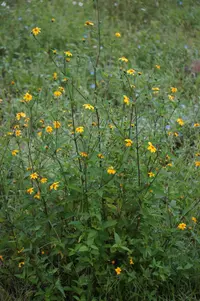
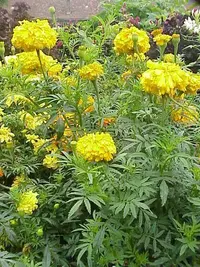
Aldama dentata is a sun-loving, herbaceous perennial from the Asteraceae family, related to daisies and sunflowers. It typically forms upright clumps with toothed leaves and bright yellow flower heads. Plants often develop a bushy shape and can create a bold, informal display in mixed borders or naturalistic plantings.
This species is native to parts of tropical and subtropical America, where it grows in open, sunny sites with well-drained soils. Its tolerance of heat and relatively poor soils can make it easier to establish, provided drainage is good. For gardeners learning how to care for Aldama dentata, the main needs are strong light, free-draining soil, and protection from prolonged waterlogging.

Care Difficulty
Moderate Care

Light Preference
Full Sun

Water Requirements
Moderate Water

Temperature Preference
Warm Climate

Hardiness Zone
9–11

Soil Texture
Sandy, Loamy, Rocky

Soil pH
Acidic (5.5–6.5), Slightly acidic (6.5–7.0)

Soil Drainage
Well-drained

Fertilization
Minimal (feed rarely)
Scan your plant to receive care tips personalized for your specific plant
Available on iOS and Android
This sun-loving perennial thrives in open, bright conditions when established outdoors.
This drought-tolerant species prefers infrequent, deep watering rather than constant moisture.
This warm-temperate perennial prefers consistently mild to hot conditions with protection from frost.
This species is drought-adapted and humidity is rarely a limiting factor for Aldama dentata in typical indoor or outdoor conditions.
This plant prefers sharply drained, mineral-lean soil that never stays waterlogged.
This species can be grown in containers if the pot is set up to mimic its naturally dry, well-drained conditions.
This sun-loving perennial grows well in lean soil but benefits from light feeding during active growth.
Thoughtful pruning helps maintain shape and flowering performance.
This species is more often grown in the ground, but container plants or young starts handle transplanting well when timed correctly.
New plants are usually raised from seed, with stem cuttings also possible in warm conditions.
This warm-climate perennial has limited frost tolerance and benefits from basic winter precautions outside mild regions.

Plant Health Check
Not sure what's wrong with your plant? Check your plant's health inside the app.
This species is native to the Brazilian cerrado, a fire-influenced tropical savanna where it grows in open, often nutrient-poor soils with strong seasonal drought.
Aldama dentata was long treated in the genus Viguiera, but molecular phylogenetic studies using DNA data supported its transfer to Aldama as part of a broader reorganization of the sunflower family tribe Heliantheae.
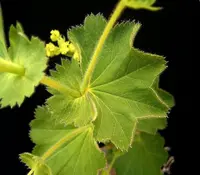
The species name dentata refers to the distinctly toothed edges of its leaves, a consistent diagnostic trait used by botanists to distinguish it from related yellow-flowered daisies.
Lack of flowering usually comes from insufficient light, nutrient-poor or very rich soil, or pruning at the wrong time. Check for shade from nearby plants, adjust fertilizing, and avoid heavy cutting just before its normal blooming season.
Keep your plants happy and healthy with plant identification, disease detection, and easy care guidance.