Cuban zephyrlily Care (Zephyranthes rosea)

Cuban zephyrlily

About Cuban zephyrlily

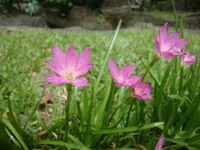
Cuban zephyrlily, Zephyranthes rosea, is a small bulbous perennial often grown for its bright pink, funnel-shaped flowers. It typically forms low clumps of narrow, grass-like leaves. Flowers appear after rain or watering, which gives it the common name rain lily.

This species is native to the Caribbean and parts of tropical America, where it grows in open, seasonally moist sites. In gardens and containers, it stays compact and is generally easy to manage if its bulbs do not sit in soggy soil.

For those who want to care for Cuban zephyrlily successfully, provide bright light, moderately moist, well-drained soil, and a warm, frost-free position.

Main Plant Requirements

Care Difficulty

Easy Care

Light Preference

Full Sun

Water Requirements

Moderate Water

Temperature Preference

Tropical / Frost Sensitive

Hardiness Zone

8–11

Soil Texture

Sandy, Loamy, Organic-rich

Soil pH

Acidic (5.5–6.5), Slightly acidic (6.5–7.0)

Soil Drainage

Well-drained

Fertilization

Light (every 4–6 weeks)

Get Personalized Care Plan

Scan your plant to receive care tips personalized for your specific plant

Available on iOS and Android

How to Care for the Cuban zephyrlily

Zephyranthes rosea thrives in bright, direct light but benefits from some protection during the hottest hours.

  • Provide 4–6 hours of direct sun daily, with morning sun and light afternoon shade ideal, especially in hot summer climates.
  • Tolerates light or dappled shade, but flowering of Cuban zephyrlily drops if it receives less than about 3–4 hours of sun.
  • In very hot regions, protect from intense midday sun to reduce leaf scorch; in cooler seasons, choose a more open spot to maximize light exposure.

Zephyranthes rosea prefers moist, well-drained soil with clear wet–dry cycles around the bulbs.

  • During active growth and flowering, water when the top 3–5 cm of soil feels dry, allowing water to drain freely so bulbs never sit in standing water.
  • Yellow, soft leaves and a sour smell indicate overwatering and potential bulb rot; limp, wrinkled foliage and poor flowering signal underwatering.
  • Reduce watering sharply in late fall and winter dormancy, keeping soil just barely moist to dry between light waterings, especially in heavier soils.

This rain lily grows best in warm conditions and is sensitive to hard frost.

  • Optimal growth occurs at 70–85°F (21–29°C), with flowering encouraged by warm days followed by natural rain or irrigation.
  • Plants tolerate short dips to about 40°F (4°C) but foliage is damaged by frost; bulbs may die if soil freezes deeply for long periods.
  • In hot regions with summer highs above 95°F (35°C), provide afternoon shade and mulch to keep soil cooler, and avoid planting in heat-reflective sites near pavement.

This species handles indoor humidity well but benefits from slightly moist air.

  • Aim for 40–60% humidity, which most homes provide without special equipment.
  • Plants tolerate short spells of drier air but prolonged <30% humidity can brown leaf tips.
  • Humidity stress shows as crispy tips and slower growth; group Cuban zephyrlily pots or place on a pebble tray to raise moisture around foliage.

Zephyranthes rosea prefers a loose, fast-draining yet moderately fertile substrate.

  • Use a mix of roughly 50% standard potting mix, 25% coarse sand, and 25% perlite to keep the medium airy.
  • Choose a light loamy or sandy structure so water drains within minutes rather than pooling around bulbs.
  • Keep pH slightly acidic to neutral, around 6.0–7.0, avoiding strongly alkaline substrates that limit nutrient uptake.
  • Avoid heavy clay, compacted, or waterlogged conditions, which promote bulb rot and reduce oxygen around roots.

This bulb adapts very well to container culture outdoors and in bright porches or patios.

  • Select a pot at least 15–20 cm deep so bulbs can sit with 2–3 cm of mix above them and still root freely downward.
  • Use a container with large, unobstructed drainage holes so heavy rain can exit quickly and bulbs do not sit in a water reservoir.
  • In hot climates, prefer thick-walled or glazed pots that slow lateral drying, preventing outer bulbs from desiccating faster than central ones.

Zephyranthes rosea responds well to light feeding during active growth but does not need heavy fertilization.

  • Apply a balanced liquid fertilizer (for example 10-10-10) at 1/2 strength every 4–6 weeks during spring and summer.
  • Use a thin layer of compost around the clumps once in spring to support blooming when growing Cuban zephyrlily outdoors.
  • In containers, a low-dose slow-release bulb or flowering plant fertilizer can be mixed into the topsoil at the start of the season.
  • Stop feeding in fall and winter when foliage dies back and bulbs are dormant to avoid weak, elongated growth.

Pruning needs for Zephyranthes rosea are minimal and focus on cleaning rather than shaping.

  • In late fall or after flowering flushes, remove yellowing or dead leaves by cutting them at the base with clean scissors or hand pruners.
  • Snip off spent flower stalks once petals fade to direct the plant’s energy back into the bulbs.
  • Clear away any damaged, diseased, or crowded foliage to maintain airflow and reduce fungal issues.
  • Avoid heavy cutting into healthy green leaves, as this can reduce photosynthesis and weaken next season’s flowering.

Zephyranthes rosea grows from small bulbs that prefer to be somewhat crowded, so repotting or transplanting is infrequent.

  • Consider repotting or lifting and dividing clumps every 3–4 years, or when growth slows and bulbs press against the pot sides.
  • Plan transplanting for late winter to early spring, before strong new growth appears, so bulbs can re-establish quickly.
  • Gently loosen the root mass, separate bulbs by hand, and replant at the same depth in free-draining soil to limit transplant shock.
  • Water lightly after moving, then keep soil just slightly moist for 1–2 weeks while roots recover, avoiding waterlogged conditions.

Zephyranthes rosea is most commonly multiplied by bulb division, with seed used when creating larger numbers of plants.

  • Divide clumps in late winter or early spring, separating offset bulbs and replanting them 5–8 cm apart in well-drained soil.
  • Keep newly planted bulbs in a warm spot with moderate moisture until strong new shoots appear.
  • For seed, sow fresh in spring on the surface of a light, sandy mix and keep at 68–75°F.
  • Maintain bright, indirect light and even moisture for seedlings, then harden off gradually before planting outside.

Zephyranthes rosea is frost-sensitive and benefits from basic winter protection in cooler climates.

  • In regions below about 25°F, lift bulbs after foliage dies back and store them dry in a cool, frost-free place.
  • Where winters are mild, leave bulbs in the ground and apply a 5–8 cm mulch layer to insulate the root zone.
  • Move container-grown plants indoors to a bright, cool room before the first hard frost and reduce watering during dormancy.

Care Tips

Bulb crowding strategy

Plant bulbs in tight clumps and allow them to multiply undisturbed for several years, since moderate crowding encourages heavier flushes of blooms rather than repotting or dividing too often.

Simulated rain trigger

After a dry rest period, give one or two deep waterings over 24 hours to mimic a summer storm, which often synchronizes a strong flowering flush in this species.

Smart container choice

Use a wide, shallow pot with ample drainage holes so bulbs can spread laterally and warm quickly after rain, which supports faster growth and more uniform flowering.

Seasonal division timing

Lift and divide clumps only when foliage has yellowed and growth has clearly slowed, then replant offsets immediately at the same depth to avoid stressing actively growing bulbs.

Dormancy protection

In regions with cold or very wet winters, move containers under cover or dig and store bulbs dry in a breathable paper bag in a cool, frost-free place to prevent rot and freeze damage when growing Cuban zephyrlily.

Common Pests and Diseases

Spider mites

This pest sucks sap from the narrow leaves, causing fine stippling, a dull appearance, and fine webbing, especially in dry, hot conditions.

Solution

Rinse foliage thoroughly with a strong but gentle stream of water and increase humidity around the plants; for persistent infestations, apply insecticidal soap or a neem oil spray to both sides of the leaves, repeating weekly until new growth appears clean.

Narcissus bulb fly

These insects lay eggs at the base of bulbs, and the larvae tunnel inside, leading to weak, stunted shoots or complete failure of bulbs to emerge.

Solution

Discard and destroy any soft, hollow, or rotting bulbs, and use fine mesh or fleece over pots or beds during the main egg-laying season; when replanting, inspect bulbs carefully and keep them in well-drained, covered containers to reduce access by adult flies.

Bulb nematodes

These microscopic worms invade bulbs and basal plates, causing distorted shoots, poor flowering, and internal brown streaks or soft areas inside bulbs.

Solution

Remove and destroy affected bulbs and avoid reusing the same soil; for remaining healthy stock, plant only firm bulbs, consider hot-water treatment from a reputable source, and rotate planting areas or use fresh, sterile potting mix for growing Cuban zephyrlily in containers.

Leaf spot

This disease causes small brown to dark purple spots on the slender leaves, sometimes merging into larger patches that lead to premature yellowing and dieback.

Solution

Remove and dispose of affected leaves, avoid overhead watering, and provide good air movement; in recurrent cases, apply a copper-based or other labeled ornamental fungicide early in the season, following label directions, and avoid crowding clumps.

Basal bulb rot

This disease starts at the basal plate of the bulb, leading to soft, foul-smelling tissue, yellowing foliage, and eventual collapse of the plant, usually in poorly drained or waterlogged soil.

Solution

Uproot and discard any soft or rotting bulbs and improve drainage by amending soil with grit or using a fast-draining potting mix; water only when the soil has dried to at least the top 2–3 cm and avoid letting containers sit in standing water.

Interesting Facts

Rain-triggered flowering

The Cuban zephyrlily often flowers shortly after rainfall or increased irrigation, as changes in soil moisture and temperature can synchronize many bulbs to bloom at once, creating a sudden flush of pink flowers.

Twilight-opening blooms

Individual flowers typically open in the late afternoon or early evening and may last only a few days, relying on rapid succession of buds to maintain the display.

Naturalized ornamental species

Originating from the Caribbean region, this species has become widely naturalized in warm, humid climates, especially in parts of South and Southeast Asia, where it is commonly planted along borders and lawns.

Botan icon

Did you know?

Chromosome studies show that this species has a relatively high chromosome number compared with many garden bulbs, which has made it useful in breeding programs aimed at producing new rain lily hybrids with different flower colors and forms.

FAQs about Cuban zephyrlily

Lack of blooms usually comes from insufficient light, overcrowded bulbs, or no dry rest period. Allow foliage to mature fully, avoid constant moisture, and divide congested clumps every few years to restore flowering performance.

Grow Healthy Plants with Botan Care

Keep your plants happy and healthy with plant identification, disease detection, and easy care guidance.

Botan plant care app — identify plants on mobile

Explore More Plants