Oriental poppy Care (Papaver orientale)

Oriental poppy

About Oriental poppy

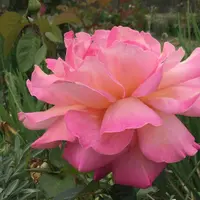
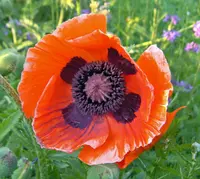
Oriental poppy, Papaver orientale, is a hardy herbaceous perennial grown for its large, showy spring and early summer flowers. It forms clumps of hairy, divided leaves at the base, then sends up sturdy stems topped with single, crepe-textured blooms in shades of red, orange, pink, or white, often with dark centers.

This species is native to regions of Turkey, Iran, and the Caucasus, where it experiences cold winters and dry summers. In gardens, it prefers full sun, well-drained soil, and relatively low summer moisture.

Once established, Oriental poppy is generally low-maintenance but goes dormant after flowering, which can surprise new growers learning how to care for Oriental poppy.

Main Plant Requirements

Care Difficulty

Moderate Care

Light Preference

Full Sun

Water Requirements

Moderate Water

Temperature Preference

Cold Hardy

Hardiness Zone

3–7

Soil Texture

Sandy, Loamy, Rocky

Soil pH

Slightly acidic (6.5–7.0), Neutral (7.0)

Soil Drainage

Well-drained

Fertilization

Minimal (feed rarely)

Get Personalized Care Plan

Scan your plant to receive care tips personalized for your specific plant

Available on iOS and Android

How to Care for the Oriental poppy

Papaver orientale performs best in open, sunny positions where the soil stays relatively cool at the roots.

  • Provide full sun with 6–8 hours of direct light daily; morning sun with some light afternoon shade is ideal in hotter regions.
  • Tolerates light or dappled shade, but flowering decreases and stems may flop if it receives less than about 4–5 hours of direct sun.
  • Excessive reflected heat from walls or pavement can scorch foliage; in very hot summers, protect from harsh afternoon sun while keeping the site bright.

Papaver orientale prefers deep but infrequent watering in well-drained soil that dries slightly between waterings.

  • Outdoors in the ground, water only when the top 3–5 cm of soil are dry; in established clumps this may mean no extra watering during periods of steady rain.
  • During active growth and budding, water slowly at the base so moisture penetrates 15–20 cm deep, then allow the soil to dry again to avoid root rot.
  • In summer dormancy, reduce or stop supplemental water if foliage has died back; pale, limp leaves suggest drought stress, while yellowing in persistently damp soil suggests overwatering.

This hardy perennial prefers cool to mild conditions and tolerates substantial winter cold once established.

  • Active growth and best flowering occur around 55–70°F (13–21°C), typical of cool spring weather in many temperate climates.
  • Mature plants usually tolerate winter lows near 0°F (−18°C) with good drainage; mulching crowns lightly helps in colder or freeze–thaw prone areas.
  • Oriental poppy foliage declines in sustained heat above 85°F (29°C); summer dormancy is normal, but extreme heat combined with wet, heavy soil can increase crown and root rot risk.

Papaver orientale tolerates typical outdoor humidity and rarely needs special humidity management.

Papaver orientale prefers freely draining, moderately fertile mineral soil that never stays waterlogged.

  • Use a sandy or loamy structure with at least 40–50% mineral content, such as garden loam mixed with coarse sand or fine grit.
  • Incorporate 20–30% well-rotted compost for moderate organic matter, but avoid heavy peat mixes that hold prolonged moisture.
  • Aim for slightly acidic to neutral pH around 6.0–7.0, amending strongly acidic or alkaline beds before planting.
  • Improve aeration and drainage by raising the planting area into a low mound or adding coarse grit in compacted or clay soils.

This species can be grown in containers but requires careful attention to depth, stability, and drainage.

  • Choose a deep pot at least 30–35 cm tall to accommodate the long taproot without bending or crowding.
  • Select a heavy terracotta or stone container to prevent tipping in wind when flower stems become tall and top-heavy.
  • Elevate the pot on feet or bricks so drainage holes stay clear and excess water exits quickly after rain or irrigation.

Papaver orientale is a low-demand perennial that benefits from light feeding in nutrient-poor soils.

  • Apply a balanced slow-release fertilizer (around 10-10-10) at half strength once in early spring as new growth starts.
  • In richer garden soils, use a thin layer of compost instead of granular fertilizer to avoid overly lush, floppy foliage.
  • Avoid feeding during summer dormancy and winter; active uptake is minimal and excess salts can stress roots.
  • Water after applying fertilizer so nutrients move into the root zone without burning the crown.

Pruning Papaver orientale focuses on cleanup and supporting strong flowering rather than shaping.

  • In late spring to early summer, deadhead spent blooms just below the flower to tidy plants and limit self-seeding.
  • After foliage naturally yellows and collapses in summer, cut it back to ground level using clean, sharp shears.
  • Remove any dead, diseased, or storm-damaged stems whenever noticed to reduce disease spread.
  • Avoid hard cutting of green, healthy foliage in spring, as this can weaken the plant and reduce flower display.

Papaver orientale prefers staying in one place, so transplant only when necessary.

  • Transplant in early fall or very early spring when growth is minimal and soil is workable.
  • Look for signs such as congested clumps, poor flowering, or roots circling a container if grown in pots.
  • Dig a wide, deep hole and lift the plant with as much root and surrounding soil as possible to limit taproot damage.
  • Replant at the same depth, water thoroughly, and keep soil evenly moist until new growth shows stable establishment.

Papaver orientale is usually propagated by division or seed, each with different advantages.

  • Divide mature clumps in early fall, lifting carefully and separating sections with several buds and roots attached.
  • Sow fresh seeds in late summer to fall in well-drained soil; light exposure helps germination, so cover very lightly.
  • Keep seedbeds just moist and cool; avoid waterlogging, which encourages rot in young seedlings.
  • Allowing some seedpods to mature on the plant supports natural reseeding in suitable garden conditions.

Papaver orientale is cold hardy in most temperate climates and usually needs minimal winter care.

  • After frost blackens foliage, cut back dead stems to ground level and discard them to reduce disease carryover.
  • In colder regions, apply a light mulch layer (5–7 cm) over the root zone after the ground cools but before deep freezes.
  • Container-grown clumps benefit from moving against a sheltered wall or into an unheated garage to avoid root freeze-thaw cycles.

Care Tips

Mark Dormant Clumps

After foliage dies back in summer, mark the exact spot of each crown with a durable label or stone so you do not damage the sleeping plants when cultivating or planting nearby.

Use Gravel Mulch

Apply a 2–3 cm layer of coarse grit or pea gravel around crowns to keep the root neck dry, reduce soil splash on foliage, and discourage slugs without trapping excess moisture.

Stake Before Flowering

Install discreet ring stakes or short grid supports in early spring before stems elongate so heavy flower heads stay upright and do not snap in wind or rain.

Division For Rejuvenation

Every 4–6 years, lift and divide clumps in early fall, replanting only the firm, healthy sections to maintain vigorous flowering and prevent the center from becoming woody and unproductive.

Thoughtful Companion Spacing

Plant lower, late-emerging perennials such as hardy geraniums or catmint 20–30 cm away so they can fill the visual gap after dieback without shading crowns, which is a key part of Papaver orientale care.

Common Pests and Diseases

Downy mildew

This disease causes yellowing, distorted leaves and a grayish to purplish fuzz on the undersides, often in cool, damp weather. Symptoms include patchy decline of foliage and reduced flowering.

Solution

Remove and discard affected leaves promptly and avoid overhead watering to keep foliage dry. Improve spacing and airflow around clumps, water at soil level in the morning, and if problems recur, use a labeled copper or phosphorus acid fungicide early in the season according to Oriental poppy care instructions on the product label.

Botrytis blight

This disease produces soft, brown, water-soaked spots on leaves, stems, and flower buds, often covered with gray fuzzy mold. Symptoms include bud drop, collapse of flower stalks, and rapid decay in cool, wet conditions.

Solution

Cut off and dispose of all infected tissues as soon as they are noticed, and keep plant debris cleaned up around the crowns. Improve drainage and air movement, avoid wetting foliage, and in persistent cases apply a labeled ornamental fungicide just before wet, cool periods.

Powdery mildew

This disease appears as white, powdery patches on leaves and stems, which may cause yellowing and premature leaf drop in crowded or shaded plantings. Symptoms include a dusty coating that can spread over most of the foliage later in the season.

Solution

Thin or divide crowded clumps to improve light and airflow, and water at soil level to avoid high humidity around foliage. Remove badly affected leaves and, if needed, treat early with a sulfur or potassium bicarbonate product labeled for ornamentals, following package directions.

Aphids

These insects cluster on young stems, buds, and the undersides of leaves, sucking sap and causing curling, distortion, and sticky honeydew deposits. This pest can weaken new growth and attract sooty mold.

Solution

Spray colonies off with a strong stream of water and pinch off heavily infested shoot tips. For ongoing problems, use insecticidal soap or a light horticultural oil, making sure to cover the undersides of leaves and repeating as needed according to label directions.

Slugs and snails

These pests chew irregular holes in young leaves and can severely damage emerging shoots in spring, especially in damp, mulched, or shaded sites. Symptoms include shredded foliage and slime trails near the plant base.

Solution

Hand-pick slugs and snails in the evening, reduce thick mulch right around the crowns, and use barriers such as copper tape or rough grit around vulnerable clumps. Where damage is heavy, place iron phosphate slug bait near but not touching the plants, following the product instructions.

Interesting Facts

Short-lived yet persistent

Individual flowers of Papaver orientale last only a few days, but the plant survives as a long-lived herbaceous perennial that regrows each spring from a deep, woody rootstock.

Summer dormancy strategy

After its dramatic late-spring flowering, Papaver orientale often enters a natural summer dormancy, with foliage dying back to the ground as an adaptation to dry, warm conditions in its native range.

Distinctive bristly foliage

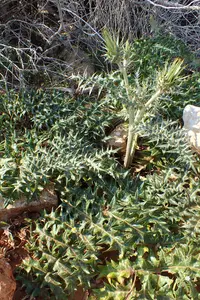
Leaves and stems of Papaver orientale are covered in stiff bristly hairs, which help reduce herbivory and limit water loss by slightly disrupting airflow across the leaf surface.

Botan icon

Did you know?

Many modern garden cultivars of Papaver orientale, including forms with purple, white, and ruffled flowers, originated from hybridization in European gardens in the late 19th and early 20th centuries, rather than from naturally occurring populations in its native regions.

FAQs about Oriental poppy

Lack of blooms often comes from too much shade, rich nitrogen-heavy fertilizer, or overcrowded clumps. Division every few years, adequate sun, and avoiding excessive feeding are key parts of Papaver orientale plant care for reliable flowering.

Grow Healthy Plants with Botan Care

Keep your plants happy and healthy with plant identification, disease detection, and easy care guidance.

Botan plant care app — identify plants on mobile

Explore More Plants