Andorran Milfoil Care (Achillea chamaemelifolia)

Andorran Milfoil

About Andorran Milfoil

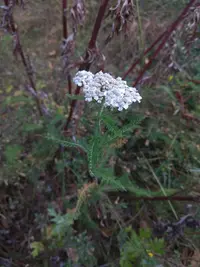
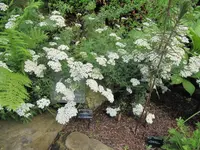
Andorran milfoil, Achillea chamaemelifolia, is a compact, herbaceous perennial from mountain regions of the Pyrenees and surrounding areas. It typically forms low, tufted clumps with finely divided, fern-like foliage. In season, it produces small, daisy-like flower heads held in loose clusters above the leaves. The plant is adapted to rocky, well-drained slopes and naturally tolerates wind, sun, and relatively poor soils. Its alpine origin means it prefers good light, moderate moisture, and no standing water. These traits make it interesting but slightly more demanding in warm, humid climates. Gardeners who learn how to care for Andorran Milfoil can maintain a durable, low-growing accent in rock gardens or troughs.

Main Plant Requirements

Care Difficulty

Easy Care

Light Preference

Full Sun

Water Requirements

Low Water

Temperature Preference

Cold Hardy

Hardiness Zone

4–8

Soil Texture

Sandy, Loamy, Rocky

Soil pH

Slightly acidic (6.5–7.0), Slightly alkaline (7.0–7.5)

Soil Drainage

Well-drained

Fertilization

Minimal (feed rarely)

Get Personalized Care Plan

Scan your plant to receive care tips personalized for your specific plant

Available on iOS and Android

How to Care for the Andorran Milfoil

Achillea chamaemelifolia thrives in bright, open sites with strong sun exposure.

  • Provide 6–8 hours of direct sun daily; full sun promotes compact growth and abundant flowering in Andorran Milfoil.
  • Plant in a spot with morning to early afternoon sun; light afternoon shade is useful in very hot climates to reduce leaf scorch and premature wilting.
  • In cooler seasons, ensure plants are not shaded by taller vegetation or buildings, since prolonged shade leads to weak stems and fewer blooms.

This species prefers dry to moderately moist conditions and is sensitive to waterlogged soil.

  • Allow the top 3–5 cm of soil to dry between waterings; established plants in the ground often need only occasional deep watering during prolonged drought.
  • Use well-drained, gritty or sandy soil so excess water runs off quickly, reducing risk of root rot and yellowing, mushy stems from overwatering.
  • Watch foliage and stems as indicators: drooping, crisp leaves suggest underwatering, while blackened bases or persistent sogginess point to excess moisture.

This yarrow is a hardy perennial adapted to temperate climates with cool to warm summers.

  • Optimal growing temperatures are around 60–75°F (16–24°C), supporting steady foliage and flower development without stress.
  • Dormant plants in the ground tolerate cold down to about 0–5°F (-18 to -15°C) with good drainage, but new growth is more sensitive to late frosts.
  • In hot spells above 86°F (30°C), provide slight afternoon shade and maintain airflow to reduce heat stress and leaf scorch.

Humidity is rarely critical for Achillea chamaemelifolia, which thrives in relatively dry air similar to Andorran Milfoil in its native habitats.

  • Aim for 30–50% humidity; typical indoor and outdoor conditions in most homes and gardens are sufficient.
  • Dry air is tolerated well, but persistent high humidity combined with poor air movement can promote powdery mildew or leaf spots.
  • If humidity is very high, space plants farther apart and increase air circulation to reduce prolonged leaf wetness.

Achillea chamaemelifolia prefers lean, fast-draining mineral soils rather than rich, moisture-retentive substrates.

  • Use a sandy or gritty loam with 40–60% mineral content, such as garden loam blended with coarse sand or fine gravel.
  • Maintain sharp drainage; water should pass through the root zone quickly without pooling or leaving the soil waterlogged.
  • Aim for slightly alkaline to neutral pH around 6.5–7.5, avoiding strongly acidic mixes that can weaken growth.
  • In containers, mix roughly 2 parts coarse sand or grit with 1 part peat-free compost to improve aeration and prevent compaction.

This species is suitable for container growing if the potting setup mimics its naturally dry, well-drained conditions.

  • Choose a broad, relatively shallow container to accommodate its clumping, spreading roots without creating a deep, wet soil column.
  • Select unglazed terracotta or other breathable materials that allow moisture to evaporate faster and prevent persistently damp media.
  • Place containers in a stable, low-traffic position so wind or lateral spread does not tip the pot or damage brittle stems.

Achillea chamaemelifolia grows best in lean, well-drained soil and needs only modest feeding for steady flowering.

  • Apply a light layer of compost or well-rotted manure in early spring to refresh nutrients without making soil overly rich.
  • If growth is weak, use a balanced slow-release fertilizer (around 10-10-10) at half strength once at the start of the growing season.
  • Avoid high-nitrogen products, which cause floppy, lush foliage and fewer flowers in Andorran Milfoil.
  • Do not feed in late fall or winter, as the plant is resting and excess nutrients can stress roots.

Pruning Achillea chamaemelifolia maintains a compact, upright shape and supports repeat flowering.

  • Deadhead spent flower stalks through summer using clean hand pruners to encourage further blooms and reduce self-seeding.
  • In late fall or very early spring, cut back dry, brown stems to 3–5 cm above ground to refresh the clump.
  • Remove dead, damaged, or weakly growing shoots at the base to improve air flow and reduce fungal issues.
  • Shear lightly after the main flush of flowers to tidy the plant and promote denser foliage.

This species is more often grown in garden beds than in containers, so focus on thoughtful transplanting rather than frequent repotting.

  • Transplant in early spring or early fall when temperatures are mild and soil is workable, avoiding heat waves or waterlogged ground.
  • Move clumps when growth is sparse in the center, flowering declines, or stems sprawl despite adequate light and drainage.
  • Lift the plant with a spade, keep as much root ball as possible, and replant at the same depth in well-drained soil.
  • Water thoroughly after transplanting, then keep soil lightly moist for 1–2 weeks to reduce root stress and support reestablishment.

Achillea chamaemelifolia is commonly propagated by division, cuttings, or seeds to renew plantings and expand patches.

  • Divide mature clumps in early spring or early fall, keeping several shoots and roots on each division, then replant promptly.
  • Take non-flowering stem cuttings in late spring, place in a free-draining mix, and maintain bright, indirect light and moderate humidity.
  • Sow seeds in late winter or early spring on the surface of a gritty seed mix, as light aids germination.
  • Provide temperatures around 65–70°F and avoid waterlogging to support steady rooting or seedling development.

This yarrow is generally cold hardy and needs minimal winter care in most temperate gardens.

  • Tolerates typical frosts once established, especially in well-drained soil that prevents ice staying around roots.
  • After the first hard frost, stems can be left standing for winter interest, then cut back in late winter.
  • In colder regions, apply a light mulch layer around the crown to buffer freeze-thaw cycles, avoiding heavy, soggy coverings.
  • For container-grown plants, move pots to a sheltered, unheated spot to limit root freeze while still allowing natural dormancy.

Care Tips

Encourage Compact Growth

Pinch back soft stems in late spring before flowering to encourage a denser, more wind-resistant mound and reduce the need for staking.

Timed Flower Harvest

Cut stems for drying or fresh arrangements early in the morning when buds are just opening, which prolongs vase life and stimulates a stronger flush of new blooms.

Self-Sowing Management

If you want controlled self-seeding, allow only a few spent flower heads to mature and drop seed while deadheading the rest to prevent unwanted spread.

Alpine-Inspired Mulching

Use a thin, light-colored gravel mulch around the crown to mimic its native rocky habitats, improving drainage at the root zone and reducing crown rot risk during wet periods.

Light Winter Protection

In colder regions, leave some old stems and a thin layer of dry mulch in place over winter to shield the crown from freeze-thaw cycles, then remove this cover gradually in early spring when caring for Andorran Milfoil.

Common Pests and Diseases

Powdery mildew

This disease causes a white, powdery coating on leaves, especially in warm, dry conditions with poor air circulation. Symptoms include distorted foliage and reduced flowering if infections are heavy.

Solution

Improve air circulation by spacing plants, thinning crowded stems, and avoiding overhead watering in the evening. Remove and discard heavily infected leaves, then apply a sulfur or potassium bicarbonate fungicide labeled for ornamentals if conditions stay favorable for disease development.

Botrytis blight

This disease produces gray, fuzzy mold on flower heads and upper foliage during cool, damp weather. Symptoms include browning and collapse of flower clusters and soft, water-soaked spots on stems or leaves.

Solution

Prune and discard all affected flower heads and plant debris, and avoid wetting the foliage when watering. Increase sun exposure and airflow where possible, and use a labeled fungicide for gray mold if wet, cool conditions persist and infections recur.

Aphids

These insects cluster on young stems and flower stalks, sucking sap and causing curling or distortion of new growth. This pest also excretes sticky honeydew that can attract sooty mold on nearby surfaces.

Solution

Spray colonies off with a firm stream of water, then treat remaining insects with insecticidal soap or a light horticultural oil, coating stems and the undersides of leaves. Encourage natural predators such as lady beetles by limiting broad-spectrum insecticides nearby, which supports healthier long-term Achillea chamaemelifolia plant care.

Spittlebugs

These insects hide in frothy, white spittle masses on stems and leaf bases, feeding on sap and occasionally causing minor distortion or yellowing. This pest is more unsightly than harmful but can weaken plants if populations are high.

Solution

Wipe or wash off spittle masses with a strong stream of water, focusing on stem nodes and lower foliage. In persistent infestations, trim back heavily affected stems and use insecticidal soap on remaining nymphs, repeating as needed during the active season.

Leaf spot

This disease produces small brown or purplish spots on leaves, which may merge into larger lesions under prolonged wetness. Symptoms include premature yellowing and shedding of lower foliage, while upper growth and flowers may remain relatively unaffected.

Solution

Remove and discard spotted leaves and any fallen debris around the plant to reduce pathogen carryover. Water at soil level, improve drainage and airflow, and if needed apply a copper-based or other labeled ornamental fungicide at the first sign of new spotting during wet periods.

Interesting Facts

High-mountain specialist

This species is naturally restricted to high-altitude grasslands and rocky slopes in the eastern Pyrenees and western Alps, where it is adapted to intense light, thin soils, and strong temperature fluctuations.

Distinct chamomile-like foliage

Its finely dissected, grey-green leaves resemble chamomile leaves more than those of many other yarrows, a trait reflected in its species name chamaemelifolia, meaning “with leaves like chamomile.”},{

FAQs about Andorran Milfoil

This species spreads slowly by short rhizomes and self-seeding, but it is not usually aggressive. In typical garden conditions it forms tidy clumps, and unwanted seedlings are easy to remove during routine maintenance.

Grow Healthy Plants with Botan Care

Keep your plants happy and healthy with plant identification, disease detection, and easy care guidance.

Botan plant care app — identify plants on mobile

Explore More Plants