Encourage Compact Clumps
Pinch back the top 2–3 cm of new shoots in late spring to keep plants dense and upright, which also encourages more flowering stems and reduces lodging after heavy rain.

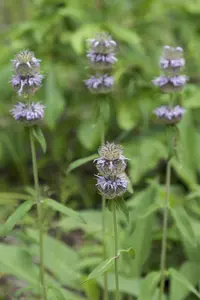
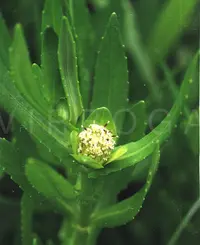
Downy pagoda-plant, Blephilia ciliata, is a compact perennial herb in the mint family, valued for its tiered flower clusters and aromatic foliage. It typically forms clumps of upright stems with soft, slightly hairy leaves and distinctive whorls of pale purple to lavender flowers.
This species is native to eastern and central North America, where it grows in open woods, prairies, and dry, rocky slopes. It adapts well to garden settings and is generally considered easy to grow when provided with sun to light shade, moderately moist but well-drained soil, and minimal competition from aggressive plants, which helps clarify how to care for downy pagoda-plant.

Care Difficulty
Easy Care

Light Preference
Full Sun

Water Requirements
Moderate Water

Temperature Preference
Cold Hardy

Hardiness Zone
4–8

Soil Texture
Sandy, Loamy, Organic-rich

Soil pH
Acidic (5.5–6.5), Slightly acidic (6.5–7.0)

Soil Drainage
Moist but well-drained

Fertilization
Minimal (feed rarely)
Scan your plant to receive care tips personalized for your specific plant
Available on iOS and Android
This sun-loving US native thrives in open sites with moderate protection from harsh afternoon exposure.
This perennial prefers consistently moist but not saturated soil, especially during active growth and flowering.
This hardy North American perennial tolerates a broad outdoor temperature range once established.
This species tolerates a wide humidity range and rarely needs special humidity management indoors.
Blephilia ciliata prefers loose, moderately fertile, well-drained soil that stays evenly moist but not wet.
This species grows reliably in containers if the pot supports its clumping, spreading root system.
This North American native wildflower typically thrives in average garden soil and needs only light feeding in cultivation.
Blephilia ciliata benefits from modest, targeted pruning to maintain a compact, flowering clump.
This perennial is more often grown in the ground than in containers, so focus on careful garden transplanting when needed.
This species is commonly propagated by seed or division, both suitable for home gardeners.
This hardy perennial tolerates typical winter conditions in much of its native range and needs minimal special care.

Plant Health Check
Not sure what's wrong with your plant? Check your plant's health inside the app.
This species naturally colonizes dry, open habitats such as prairie remnants, glades, and roadsides, often appearing where disturbance has reduced competition from taller vegetation.
Its flowering stems carry several distinct tiers of pale purple flower clusters, a structure that creates vertical foraging layers for different pollinators, especially small native bees.
Crushed leaves release a mild, resinous mint scent, reflecting its membership in the Lamiaceae (mint family) and the presence of aromatic oils in the foliage and stems.

Blephilia ciliata shows notable regional variation in hairiness and leaf size across its eastern North American range, and some botanists consider it part of a species complex in which local forms can be difficult to distinguish from its close relative Blephilia hirsuta.
This mint-family perennial is highly attractive to native bees, bumblebees, small wasps, and various butterflies. Its tiered summer flower spikes provide nectar and pollen, making it a strong choice for pollinator-friendly meadow, prairie, and naturalistic plantings.
Keep your plants happy and healthy with plant identification, disease detection, and easy care guidance.