Protect juvenile trunk
Install a light-colored tree wrap or shade cloth around the young trunk during the first 2–3 summers to prevent sunscald and uneven drying of the emerging stem fibers.

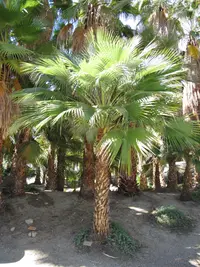
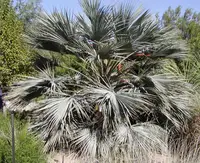
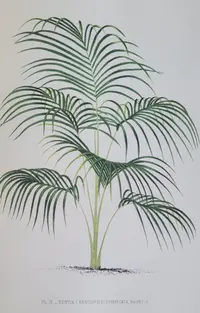
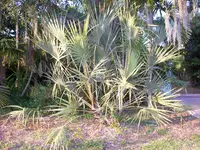
San José hesper palm, Brahea brandegeei, is a slow-growing, single-trunked palm known for its tall, slender form and gracefully arching, fan-shaped leaves. It develops a rough, ringed trunk topped with a dense crown, giving a classic desert-oasis look.
This species is native to arid regions of Baja California Sur in Mexico, where it grows along rocky canyons and dry washes. Its natural tolerance for heat, sun, and drought makes it relatively resilient once established, but young plants need careful watering and protection from extreme cold.
Gardeners who want to care for San José Hesper Palm should provide bright light, well-drained soil, and avoid prolonged wet conditions around the roots.

Care Difficulty
Moderate Care

Light Preference
Full Sun

Water Requirements
Low Water

Temperature Preference
Warm Climate

Hardiness Zone
9–11

Soil Texture
Sandy, Loamy, Rocky

Soil pH
Slightly acidic (6.5–7.0), Slightly alkaline (7.0–7.5)

Soil Drainage
Well-drained

Fertilization
Minimal (feed rarely)
Scan your plant to receive care tips personalized for your specific plant
Available on iOS and Android
Brahea brandegeei needs strong sun exposure to develop a compact, robust crown.
This desert-adapted palm prefers deep but infrequent watering once established.
This heat-loving palm thrives in warm, arid to semi-arid climates with mild winters.
This palm handles typical indoor humidity but benefits from slightly drier air than many tropical species.
Brahea brandegeei prefers a sharply draining, mineral-based mix that mimics rocky, arid habitats.
This species can be grown in containers for many years, especially in cooler climates where it cannot be planted in the ground.
Brahea brandegeei benefits from light, steady feeding during the warm growing season, especially in containers.
Pruning Brahea brandegeei is mainly cosmetic and focused on removing old or damaged fronds.
This palm dislikes frequent disturbance, so repotting or transplanting should be infrequent and carefully planned.
Brahea brandegeei is usually propagated from seeds, which require patience and warm, stable conditions.
This palm is only mildly frost tolerant and benefits from protection in climates with cold winters.

Plant Health Check
Not sure what's wrong with your plant? Check your plant's health inside the app.
This species is native almost exclusively to canyons and arroyos of the Sierra de la Giganta and nearby ranges in Baja California Sur, where it forms natural groves along seasonal watercourses.
Mature plants develop very deep root systems that allow them to persist in extremely arid climates, surviving long dry periods once established while still depending on occasional groundwater access.
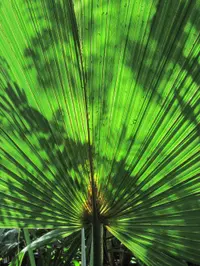
The palm carries many stiff, fan-shaped leaves on slender, strongly arching petioles, creating a tall, narrow crown that differs from the fuller, more rounded canopies of several closely related Brahea species and is valued in Brahea brandegeei care instructions for its distinctive profile.

This palm can live for many decades and slowly attain heights exceeding 15 m in favorable canyon habitats, making mature specimens some of the tallest native fan palms in parts of Baja California Sur.
Container growing is possible while the plant is young. Use a large, heavy pot with sharp drainage and a gritty mix. Root systems become extensive, so long term it performs better planted in the ground in warm, frost‑free climates.
Keep your plants happy and healthy with plant identification, disease detection, and easy care guidance.