Teaberry Care (Myrteola nummularia)

Teaberry

About Teaberry

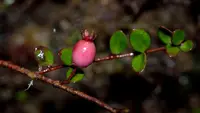
Teaberry, Myrteola nummularia, is a low, mat-forming evergreen shrub grown mainly as a groundcover or in containers. It has tiny rounded leaves and small, often white, berries. Native to cool regions of South America, it typically grows in open, sunny or lightly shaded sites with moist, well-drained, acidic soil. The plant stays compact, which makes it suitable for small gardens, rock gardens, and pots. Growth is usually slow, but the plant is long-lived when conditions are stable. It is not difficult to grow, but consistent moisture and cool conditions help care for Teaberry successfully.

Main Plant Requirements

Care Difficulty

Moderate Care

Light Preference

Partial Shade

Water Requirements

Keep Soil Moist

Temperature Preference

Cool Climate

Hardiness Zone

7–9

Soil Texture

Loamy, Peaty, Organic-rich

Soil pH

Strongly acidic (4.5–5.5), Acidic (5.5–6.5)

Soil Drainage

Moist but well-drained

Fertilization

Minimal (feed rarely)

Get Personalized Care Plan

Scan your plant to receive care tips personalized for your specific plant

Available on iOS and Android

How to Care for the Teaberry

This low shrub prefers cool, bright conditions with gentle sun exposure.

  • Provide 3–5 hours of morning sun with light shade or dappled light for the rest of the day to mimic woodland margins.
  • Allow partial shade, especially from strong afternoon sun, which can scorch leaves and dry the soil too quickly in summer.
  • In hotter climates, increase filtered shade from midday onward; in winter, Teaberry benefits from as much indirect light as possible to maintain compact growth.

This species prefers consistently moist but not waterlogged soil.

  • Water when the top 2–3 cm of soil feels slightly dry, aiming to keep the root zone evenly damp rather than cycling between soaked and bone dry.
  • Use well-drained, humus-rich soil so excess water flows away; yellowing, soft leaves suggest overwatering, while crisp, browning leaf edges indicate drought stress.
  • Reduce watering frequency in fall and winter as growth slows, but never allow the soil to dry out completely, especially in windy or exposed sites.

This cool-climate shrub handles mild temperatures and light frosts better than heat.

  • Best growth occurs at 50–68°F (10–20°C), where foliage stays compact and fruiting is more reliable.
  • Tolerates short dips to about 20°F (-6°C) once established, but young plants benefit from protection during hard freezes below this level.
  • In hot summers above 80°F (27°C), provide shade and consistent moisture, since prolonged heat above 86°F (30°C) can stress plants and reduce vigor.

This species prefers moderately moist air but copes with typical indoor humidity if watering is consistent.

  • Aim for 40–60% humidity, avoiding prolonged very dry air from heaters or strong drafts.
  • Watch for crispy leaf edges, slowed growth, or increased spider mite activity as signs of humidity stress in Teaberry.
  • Increase humidity with a nearby humidifier, grouping plants, or a pebble tray under (not touching) the pot, rather than misting leaves.

This plant prefers a loose, humus-rich mix that stays evenly moist yet drains freely.

  • Use a fine-textured mix of 50–60% peat or coco coir, 20–30% compost, and 20–30% perlite or fine bark for Myrteola nummularia.
  • Ensure drainage is rapid; water should pass through the mix within seconds and not leave the surface soggy for hours.
  • Aim for slightly acidic conditions around pH 5.0–6.0, avoiding alkaline mixes heavy in lime or hard tap water buildup.
  • Improve aeration by adding extra perlite or fine bark if the mix compacts, and avoid clay-heavy garden soil that stays wet.

This species adapts well to container growing when the pot supports its shallow, spreading root system.

  • Choose a wide, shallow pot to match its mat-forming habit and prevent unused, constantly wet deep soil layers.
  • Select a heavier ceramic or clay container outdoors to stabilize the plant against wind and reduce tipping from lateral spread.
  • Elevate the pot slightly on feet or bricks so drainage holes stay clear and excess water exits quickly after rain or watering.

This small shrub grows on fairly poor soils, so light feeding is usually enough for healthy Teaberry growth.

  • Use a balanced, slow-release fertilizer (for example 10-10-10) in spring at low label rates for woody shrubs.
  • Alternatively, work a thin layer of fine compost into the top 2–3 cm of soil once in spring.
  • During the main growing season, 1–2 light feedings are sufficient; avoid heavy, frequent applications.
  • Stop feeding in late summer and do not fertilize in winter dormancy to prevent soft, frost-prone growth.

Myrteola nummularia needs only light pruning to maintain dense, healthy mats of foliage.

  • Best time is late winter or early spring before new growth starts, or just after main flowering.
  • Remove dead, damaged, or diseased stems first, cutting back to healthy wood with clean, sharp scissors or pruners.
  • Thin out very crowded patches slightly to improve light and air movement through the mat.
  • Light tip-trimming shapes the plant and can encourage bushier, more compact growth without stressing it.

This groundcover is more often transplanted in the garden than grown long term in containers.

  • Transplant in early spring or early fall when temperatures are mild and soil is moist but not waterlogged.
  • Look for roots circling the pot, poor drainage, or slowed growth as signs a container plant needs a larger pot.
  • Shift up 1 pot size only, using a well-drained, acidic mix, and keep the root ball as intact as possible.
  • Water thoroughly after transplanting, then keep soil evenly moist and shaded for 1–2 weeks to limit transplant shock.

This species is commonly propagated to expand groundcover patches or produce new plants for containers.

  • Take 5–8 cm semi-ripe stem cuttings in late spring to summer and root them in a moist, free-draining mix under high humidity.
  • Use simple layering by pinning flexible stems to the soil surface until they root, then separate and transplant.
  • Sow fresh seed in autumn or early spring on acidic, well-drained medium and keep cool, lightly moist, and bright.
  • Provide gentle bottom warmth (around 65–70°F) and bright, indirect light to speed rooting and early growth.

This shrub is generally cold hardy but benefits from basic winter care in colder regions.

  • Tolerates light to moderate frost once established, especially in well-drained soil.
  • Apply a 3–5 cm mulch layer of bark or leaf mold around the root zone, keeping it slightly away from stems.
  • In very cold areas or exposed sites, grow in containers and move to a cold, bright, frost-free spot for winter.

Care Tips

Encourage Dense Mounding

Pinch back soft shoot tips in late spring to early summer to keep plants compact and encourage a dense, cushion-like habit rather than long, straggly stems.

Use Cool Root Zone

In hot summers, place the pot inside a slightly larger cachepot with damp perlite or bark around it, which helps insulate the roots and maintain the cool conditions this species prefers.

Winter Light Adjustment

Move container plants to the brightest available cold frame, unheated greenhouse, or sheltered cold porch in winter so they receive strong light while still staying in a cool, dormant-friendly temperature range.

Mulch With Grit

Top-dress around the base with a 0.5–1 cm layer of fine grit or sharp sand to keep foliage off wet soil, reduce moss growth, and improve surface drainage around the crown.

Berry And Seed Management

Remove most berries promptly after color develops if you want the plant to allocate more energy to vegetative growth, but leave a few to fully ripen if you wish to collect seed for growing Teaberry from your own plants.

Common Pests and Diseases

Blossom blight

This disease causes flowers and young shoots to brown, shrivel, and fail to set viable berries, especially in cool, wet weather.

Solution

Remove and discard all blighted blossoms and twig tips, improve air circulation around the shrub, and avoid overhead watering during flowering; in regions with recurrent problems, a labeled fungicide for small ericaceous shrubs can be applied preventively at early bloom following local extension guidelines.

Leaf spot

This disease produces small brown or purplish spots on leaves that may merge into larger blotches, leading to early leaf drop on stressed plants.

Solution

Prune out heavily affected stems, collect and dispose of fallen leaves, keep foliage dry by watering at soil level, and thin dense growth to increase airflow; in persistent cases, apply a broad-spectrum ornamental fungicide during periods of prolonged humidity.

Scale insects

These insects appear as small, fixed bumps on stems and leaf midribs, sucking sap and causing yellowing, poor growth, and sticky honeydew on nearby surfaces.

Solution

Gently scrape or wipe minor infestations from stems with a cotton pad dipped in alcohol, encourage natural predators outdoors, and for heavier infestations use a horticultural oil spray thoroughly coating stems and the undersides of leaves, repeating according to label directions.

Leaf miners

This pest tunnels within the leaf tissue, creating winding pale trails or blotches that distort the small foliage and reduce overall vigor.

Solution

Prune and dispose of affected shoots early to remove larvae inside the leaves, maintain good plant vigor through proper watering and light, and in severe, recurring cases use a systemic insecticide labeled for ornamental shrubs at the first sign of new mines.

Spider mites

These pests are tiny sap-feeding arachnids that thrive in hot, dry conditions, causing fine stippling, dull foliage, and very light webbing on the undersides of leaves.

Solution

Increase humidity around the plant, regularly hose down foliage to dislodge mites, and if populations build up, apply an insecticidal soap or horticultural oil, making sure to cover the undersides of leaves and repeating applications as needed.

Interesting Facts

Tiny high-altitude shrub

This species naturally forms very low, cushion-like shrubs on exposed, windswept slopes in the southern Andes and Patagonian regions, where it endures strong UV radiation and cold temperatures close to freezing for much of the year.

Berry color variation

Its berries can range from white and pink to deep red or purple on the same plant population, a variation often linked to differences in pigments called anthocyanins that help protect the fruit from intense light and cold stress.

Evergreen penny-sized leaves

The plant has very small, round, evergreen leaves that hug the stems closely, reducing water loss and mechanical damage under harsh mountain winds and frequent frost.

FAQs about Teaberry

This species is a compact, evergreen shrub, keeping its small, rounded leaves year-round. Foliage may take on reddish or bronzy tones in colder weather, but leaves are not shed seasonally under normal garden conditions.

Grow Healthy Plants with Botan Care

Keep your plants happy and healthy with plant identification, disease detection, and easy care guidance.

Botan plant care app — identify plants on mobile

Explore More Plants