Bermuda Juniper Care (Juniperus bermudiana)

Also known as: Southern Red Cedar, Bermuda Cedar, Bermuda Red Cedar
Bermuda Juniper

About Bermuda Juniper

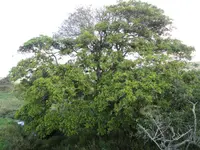
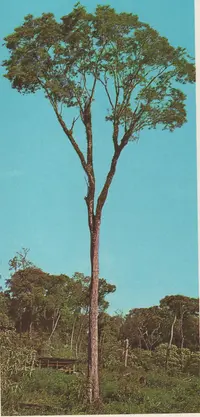
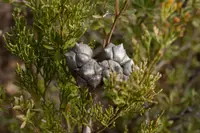
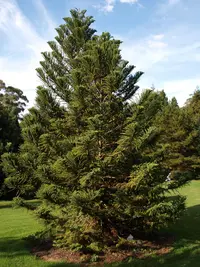
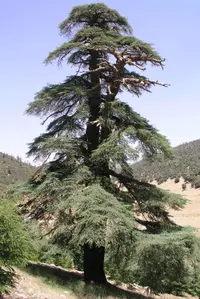
Bermuda juniper (Juniperus bermudiana) is an evergreen coniferous tree, historically dominant in Bermuda’s landscape. It forms a narrow, upright to irregular crown with dense, aromatic foliage and small, bluish berry-like cones.

In nature it grows in coastal and rocky sites, tolerating wind, salt spray, and relatively poor soils. Its toughness and slow to moderate growth rate make it generally resilient, but it can be sensitive to certain pests and fungal issues.

Gardeners who care for Bermuda Juniper value its durability, drought tolerance once established, and suitability as a windbreak or specimen tree in well-drained, sunny locations.

Main Plant Requirements

Care Difficulty

Moderate Care

Light Preference

Full Sun

Water Requirements

Low Water

Temperature Preference

Warm Climate

Hardiness Zone

9–11

Soil Texture

Sandy, Loamy, Rocky

Soil pH

Slightly acidic (6.5–7.0), Neutral (7.0)

Soil Drainage

Well-drained

Fertilization

Minimal (feed rarely)

Get Personalized Care Plan

Scan your plant to receive care tips personalized for your specific plant

Available on iOS and Android

How to Care for the Bermuda Juniper

This sun-loving conifer needs strong, direct light to grow dense, healthy foliage.

  • Provide 6–8 hours of full sun daily; Bermuda Juniper tolerates light afternoon shade in very hot regions.
  • Choose an open site with unobstructed exposure; avoid locations shaded by buildings or large trees, which cause sparse, leggy growth.
  • Monitor seasonal changes: in summer, hot inland climates benefit from some late-afternoon shade, while in winter, maximize available sun to maintain vigor.

This species prefers dry to moderately moist soil and is sensitive to prolonged wet conditions.

  • Before watering, let the top 3–5 cm of soil dry; in the ground, rely mainly on deep, infrequent soakings once roots are established.
  • During the first 1–2 growing seasons, water when lower branches start to look slightly dull or limp, then soak the root zone thoroughly.
  • Ensure sharply drained soil; yellowing foliage and soft, blackened roots indicate overwatering, while widespread browning tips signal chronic underwatering or drought stress in Juniperus bermudiana.

This subtropical conifer prefers warm conditions but has some tolerance to short cold spells.

  • Optimal growth occurs around 65–85°F (18–29°C), with best vigor in mild, maritime or coastal climates.
  • Mature trees tolerate brief drops to about 25–28°F (-4 to -2°C), but young plants can suffer damage near freezing and should be sheltered from cold winds.
  • In hot areas above 90°F (32°C), prioritize soil moisture and mulch to limit root heating, as prolonged extreme heat plus drought can cause dieback.

This species handles a wide humidity range and rarely needs special humidity management.

  • Target 30–60% humidity, similar to typical indoor and outdoor conditions in most homes and gardens.
  • Dry air is usually tolerated, but prolonged very dry conditions can increase spider mites and browning on inner foliage.
  • If air is extremely dry, group plants together outdoors or place near other evergreens to slightly buffer humidity swings.

Juniperus bermudiana prefers lean, fast-draining, mineral soils that do not stay wet.

  • Use sandy or sandy-loam soil with coarse structure; avoid heavy, compacted clay that holds water around the roots.
  • Aim for slightly acidic to slightly alkaline conditions, about pH 6.0–7.8, as the roots cope well across this range.
  • For containers, mix roughly 50–60% coarse sand or fine gravel with 30–40% pine bark and 10–20% compost for structure and nutrients.
  • Improve aeration by raising planting areas into low mounds or ridges on poorly drained sites, and never plant in spots where water collects.

This species can be grown in containers, but it is better suited to larger, stable outdoor pots than to small decorative ones.

  • Choose a deep, heavy container that resists tipping, as the upright growth and wind exposure can make tall plants top-heavy.
  • Use a slightly wider pot than the root ball to allow lateral root spread while keeping the soil mass small enough to dry between waterings.
  • Select thick-walled clay or concrete containers in hot climates to moderate temperature swings around the roots and reduce drought stress.

This coastal conifer grows slowly and usually needs only light feeding in most garden soils.

  • Use a balanced slow-release fertilizer (around 10-10-10) or a thin layer of compost in early spring for established Bermuda Juniper.
  • Feed once per year during the growing season; avoid midsummer high-nitrogen products that push soft growth.
  • Apply at 1/2 label strength for young or stressed trees and water in thoroughly after application.
  • Do not fertilize in late fall or winter, as new growth may be more vulnerable to cold and drying winds.

Pruning for Juniperus bermudiana focuses on health and structural clarity rather than frequent shaping.

  • Best time is late winter to early spring before active growth begins.
  • Remove dead, diseased, or storm-damaged branches back to healthy wood using clean, sharp bypass pruners or a pruning saw.
  • Thin crowded interior shoots lightly to improve air flow while keeping the tree’s natural form.
  • Avoid cutting back into bare, brown interior wood, since junipers rarely produce new shoots from old, leafless sections.

This species is usually grown in the ground, so transplanting young trees is more common than container repotting.

  • Transplant in late winter to early spring when the tree is still dormant, choosing cool, overcast days if possible.
  • Look for slowed top growth, circling roots, or a root-bound container as signs a young plant needs a larger space.
  • Move container plants every 2–3 years into a pot 2–5 cm wider, disturbing the root ball as little as possible.
  • Water deeply after transplanting, apply 5–8 cm of mulch outside the trunk flare, and shade the tree lightly for 1–2 weeks to reduce stress.

Most home gardeners find sexual and vegetative propagation of Juniperus bermudiana slow and technically demanding.

  • Semi-hardwood cuttings taken in late summer root best under high humidity, bottom heat, and a free-draining, sterile medium.
  • Dip cut bases in rooting hormone to increase success and keep cuttings under bright, indirect light.
  • Seed propagation requires stratification, a controlled cold period that breaks dormancy, and can take many months to germinate.
  • Strike more cuttings than needed and discard any that show rot or fungus to maintain a healthy propagation bench.

In mild coastal and warm-temperate climates, this juniper is relatively tolerant of cool weather but dislikes hard freezes.

  • In regions with frost, site the tree in a sheltered spot with good windbreaks to reduce desiccation.
  • Apply 5–8 cm of organic mulch around, but not touching, the trunk base to insulate roots and moderate soil temperature.
  • For container-grown plants, move pots to an unheated garage or sheltered porch where temperatures stay above about 25°F.

Care Tips

Salt-Wind Management

In coastal sites, establish a temporary windbreak with shade cloth or snow fencing on the windward side for the first 2–3 years to reduce salt-burn on new growth while roots deepen.


Single-Leader Training

Select one strong, upright stem as the central leader when the tree is young and remove or shorten competing uprights in late winter to build a stable, wind-resistant structure.

Root Flare Protection

Keep mulch pulled back 5–8 cm from the trunk and avoid adding soil over the root flare so the base stays dry and less prone to rot and bark disorders.

Targeted Pest Monitoring

From spring through summer, inspect inner branches every 4–6 weeks for scale insects and spider mites, and prune out or treat localized infestations early before they spread through the dense canopy.

Drought Hardening Strategy

In the second and third growing seasons, gradually extend the interval between deep waterings rather than stopping abruptly, which encourages deeper rooting and improves long-term drought tolerance when growing Bermuda Juniper.

Common Pests and Diseases

Bermuda cedar blight

This disease is caused by the fungal pathogens Pestalotiopsis funerea and Cercospora bermudensis, which attack needles and small twigs. Symptoms include browning and shedding of foliage, dieback of branch tips, and a thin, sparse crown.

Solution

Prune out and destroy affected twigs, disinfecting tools between cuts, and avoid overhead irrigation to keep foliage as dry as possible. Improve air circulation around trees, remove heavily infected individuals if they act as inoculum sources, and in high‑value plantings consult a local arborist about targeted fungicide programs as part of broader Juniperus bermudiana care instructions.

Cedar scale

This pest consists of small sap‑sucking insects (often Lepidosaphes or related armored scales) that attach to needles and twigs and appear as tiny gray or brown crusts. Symptoms include thinning foliage, yellowing needles, and overall decline, especially on stressed trees.

Solution

Prune and discard heavily infested branches and encourage natural predators by avoiding broad‑spectrum insecticides. For significant infestations, use a horticultural oil spray during the crawler stage according to label directions, ensuring thorough coverage of twigs and inner foliage.

Bagworm

These insects are caterpillars that live in spindle‑shaped bags made of needles and debris hung from branches. Symptoms include progressive defoliation, brown patches in the canopy, and weakened growth, especially on smaller or younger trees.

Solution

Handpick and destroy bags during fall, winter, or very early spring before larvae emerge, focusing especially on smaller trees where manual removal is practical. In larger trees or severe cases, apply a biological insecticide containing Bacillus thuringiensis (Bt) to young larvae in late spring or early summer, following local timing recommendations.

Spider mite

These pests are tiny arachnids that feed on needle sap, often becoming a problem during hot, dry weather. Symptoms include dull, gray‑green or bronzed foliage, fine webbing between needles, and premature needle drop.

Solution

Rinse foliage thoroughly with a strong but controlled stream of water to knock mites off and reduce dust, and avoid excessive drought stress that favors outbreaks. If populations remain high, use insecticidal soap or a labeled miticide, applying multiple treatments as directed and focusing on the inner canopy where mites shelter.

Cercospora needle blight

This disease is caused by Cercospora species that infect older needles, especially in humid or crowded conditions. Symptoms include yellowing and browning of inner needles, premature needle drop, and a thinning, see‑through appearance of the canopy from the inside out.

Solution

Rake up and remove fallen needles, thin nearby vegetation to improve airflow, and avoid prolonged wetting of foliage from irrigation. On valuable landscape trees where cultural steps are not enough, a certified arborist can time preventative fungicide sprays to protect new growth in warm, humid periods.

Interesting Facts

National tree of Bermuda

This species is the national tree of Bermuda and once dominated the islands’ landscapes, forming extensive native forests before human settlement and later declines.

Devastating scale insect outbreak

In the mid-20th century, two accidentally introduced scale insects (in particular the oyster-shell scale) killed the majority of Bermuda’s native cedars, causing a major ecological and cultural crisis on the islands.

Salt and wind tolerant

This tree shows strong tolerance to salt spray and coastal winds, which helped it thrive on exposed Bermuda shorelines and made it historically valuable for local shipbuilding.

Botan icon

Did you know?

Timbers from this species were a key material in early Bermudian shipbuilding, contributing to the development of the fast, highly maneuverable Bermuda sloop that became influential in Atlantic seafaring history.

FAQs about Bermuda Juniper

This species grows slowly, usually adding 15–30 cm per year under good conditions. Growth is faster in deep, well-drained soil, full sun, and coastal or near-coastal climates, and slower in compacted or dry urban sites.

Grow Healthy Plants with Botan Care

Keep your plants happy and healthy with plant identification, disease detection, and easy care guidance.

Botan plant care app — identify plants on mobile

Explore More Plants