Tahitian screwpine Care (Pandanus tectorius)

Also known as: screw pine, thatch screwpine, hala, beach pandan, breadfruit, pandanus
Tahitian screwpine

About Tahitian screwpine

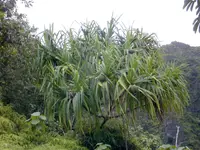
Tahitian screwpine, Pandanus tectorius, is a tropical shrub or small tree known for its spiral-arranged, sword-like leaves and strong architectural look. It often develops prop roots that lift and brace the trunk, giving it a distinctive, stilted appearance.

This species naturally occurs on sandy coasts and coral atolls across the Pacific and parts of Southeast Asia. In the landscape it is usually grown outdoors in warm, frost-free climates.

The plant is generally tough once established but can be demanding indoors because of its size, light needs, and sharp leaf edges. It prefers bright light, warmth, and well-drained soil, and understanding how to care for Tahitian screwpine helps prevent stress and leaf damage.

Main Plant Requirements

Care Difficulty

Moderate Care

Light Preference

Full Sun

Water Requirements

Regular Water

Temperature Preference

Tropical / Frost Sensitive

Hardiness Zone

11–12

Soil Texture

Sandy, Loamy, Organic-rich

Soil pH

Acidic (5.5–6.5), Slightly acidic (6.5–7.0)

Soil Drainage

Moist but well-drained

Fertilization

Minimal (feed rarely)

Get Personalized Care Plan

Scan your plant to receive care tips personalized for your specific plant

Available on iOS and Android

How to Care for the Tahitian screwpine

Pandanus tectorius grows best in bright, warm conditions with strong but not extreme sun exposure.

  • Provide 6–8 hours of sun daily, ideally with direct morning sun and bright, filtered light from late morning to afternoon for Tahitian screwpine.
  • In hotter regions, protect from harsh afternoon sun with light shade to reduce leaf scorch, especially for young or recently transplanted plants.
  • In cooler or cloudy seasons, increase light exposure by reducing shade, as low light leads to weak, elongated growth and dull leaf color.

Pandanus tectorius prefers evenly moist, fast-draining soil and does not tolerate prolonged drought or waterlogging.

  • Water when the top 3–5 cm of soil feels just dry, allowing moisture to reach deeper roots while avoiding constantly soggy conditions.
  • Use soil with good drainage and, in heavy ground, elevate planting or create mounds so excess water can escape and roots receive enough oxygen.
  • In warmer months, monitor for leaf tip browning and curling as signs of underwatering; yellowing lower leaves and a sour soil smell suggest overwatering.

This coastal species thrives in warm, frost-free climates and is sensitive to sustained cold.

  • Aim for 70–90°F (21–32°C) for active growth, as these temperatures support steady leaf production and root activity.
  • Protect from temperatures below 55°F (13°C); brief dips to 45–50°F (7–10°C) may be survived, but frost can kill young growth and damage roots.
  • In hot periods above 95°F (35°C), provide extra water and some midday shade, as extreme heat plus dry wind can scorch leaves and stress the plant.

This species appreciates moderately humid air but adapts to typical indoor levels.

  • Aim for 50–70% humidity to support steady leaf growth and reduce tip browning.
  • It tolerates short periods of drier air, but prolonged <40% humidity can cause brown, crispy leaf margins.
  • If air is dry, group plants, use a humidity tray, or run a nearby humidifier for Tahitian screwpine.

Pandanus tectorius prefers a fast-draining, sandy mix that still holds some organic moisture.

  • Use a blend of roughly 50–60% coarse sand or gritty material with 40–50% organic matter such as composted bark or coco coir.
  • Ensure very sharp drainage; incorporate perlite or pumice to keep the mix loose and prevent waterlogged roots.
  • A slightly acidic to neutral pH around 6.0–7.0 supports nutrient availability and healthy growth.
  • Avoid dense, clay-heavy, or peat-only mixes that compact, stay wet for long periods, or exclude air from the root zone.

This species can adapt well to container growing when pot choice and stability are managed carefully.

  • Choose a wide, heavy container to counterbalance the plant’s top-heavy crown and aerial root development.
  • Select a pot depth that allows the central root mass to anchor firmly without crowding the developing prop roots near the surface.
  • Use thick-walled terracotta or other weighty, breathable materials to reduce tipping risk while allowing excess moisture to evaporate.

Pandanus tectorius benefits from light, consistent feeding rather than heavy applications.

  • Use a balanced liquid fertilizer (for example 10-10-10 or 14-14-14) at 1/2 strength during active growth.
  • Feed every 4–6 weeks in spring and summer; skip or feed every 10–12 weeks in fall and winter.
  • For outdoor plants, a thin layer of compost over the root zone in spring supports steady growth.
  • Slow-release granules can replace liquids if applied lightly once each growing season.

Pruning helps keep Pandanus tectorius manageable and removes unsafe or declining growth.

  • Best time is late winter to early spring, before strong new growth starts.
  • Remove dead, damaged, or crossing leaves and any dangerously leaning or weak side shoots.
  • Shorten overly long leaves or branches to control spread, keeping the plant structurally balanced.
  • Use clean, sharp loppers or a pruning saw, cutting close to the base without tearing tissues.

Pandanus tectorius is usually landscape-grown, so focus on careful transplanting or infrequent container up-potting.

  • Transplant or up-pot in late spring to early summer, when temperatures are consistently warm.
  • Look for roots circling the pot, drying out quickly, or noticeably slowed growth as signs it needs a larger container.
  • Shift to a pot 1–2 sizes larger with free-draining, sandy mix, handling the root ball gently to limit damage.
  • Water thoroughly after planting, then keep evenly moist and shaded for 1–2 weeks to reduce transplant shock.

Pandanus tectorius is most commonly propagated from suckers, with seeds used less often in home settings.

  • Detach well-formed basal suckers in late spring or early summer, once they have several roots of their own.
  • Plant suckers into a sandy, sharply drained mix and keep at 70–80°F with high humidity and bright, indirect light.
  • Water lightly but frequently at first, avoiding waterlogged media, until new top growth appears.
  • Seeds require warm temperatures, consistently moist but airy substrate, and patience due to slow, uneven germination.

Tahitian screwpine is frost-sensitive and needs protection anywhere temperatures drop near freezing.

  • In ground, it suits frost-free climates; use a 5–8 cm mulch layer to buffer brief cool spells around the roots.
  • Move container plants indoors or into a greenhouse before temperatures fall below 50°F.
  • Provide bright light indoors, reduce watering, and avoid cold drafts during winter months.

Care Tips

Rotate For Symmetry

Turn the pot 90° every 2–3 weeks so the crown receives even light and develops a balanced, upright form instead of leaning toward a window or light source.

Manage Aerial Roots

When aerial roots emerge along the lower stem, guide them gently into the potting mix or a deeper container so they can anchor the plant and stabilize the increasingly top-heavy crown.

Use Weighted Containers

As the plant gains height and a woody trunk, choose a wide, heavy container or add a layer of gravel at the bottom to lower the center of gravity and reduce tipping risk.

Safe Handling Technique

Wear gloves and handle the plant by the pot or trunk rather than the leaf edges, which are lined with sharp spines that can cause small cuts during repotting or repositioning.

Seasonal Light Adjustment

In winter, move the plant slightly closer to bright windows or use a supplemental grow light to compensate for shorter days and help maintain compact, sturdy growth when growing Tahitian screwpine.

Common Pests and Diseases

Pandanus mealybugs

This pest feeds in clusters on leaf bases and along leaf midribs, causing yellowing, wilting, and sticky honeydew that often leads to sooty mold.

Solution

Remove heavily infested leaves if practical, then wash remaining foliage and leaf bases thoroughly with a strong but gentle spray of water and treat hidden crown areas with an insecticidal soap or horticultural oil, repeating every 7–10 days until no new insects appear. Improve air movement around the plant and avoid excess nitrogen fertilization, which encourages soft, mealybug-prone growth.

Scale insects

These insects attach to leaf sheaths and stems as small, hard bumps, sucking sap and causing leaf yellowing, stunting, and a general decline in vigor.

Solution

Gently scrape or wipe off accessible scales with a cotton pad dipped in isopropyl alcohol, then follow with a thorough application of horticultural oil to smother remaining insects and eggs, paying special attention to the tight leaf bases characteristic of Pandanus tectorius care. Inspect monthly and repeat targeted treatments as needed to prevent reinfestation.

Leaf spot

This disease produces small brown or gray spots with darker margins on the long strap-like leaves, which can coalesce into larger patches and lead to premature leaf death under humid, crowded conditions.

Solution

Prune and discard badly affected leaves, then water at the soil level to keep leaf surfaces as dry as possible and increase spacing or airflow around the plant. If spotting continues to spread, apply a labeled copper or chlorothalonil fungicide to both leaf surfaces at 10–14 day intervals until new growth emerges clean.

Spiral tip dieback

Symptoms include browning and death starting at the tips of older leaves and progressing along the spiraling rosette, often following mechanical injury, salt spray stress, or chronic nutrient imbalance.

Solution

Cut back affected leaf tips into healthy green tissue, then flush the root zone thoroughly with fresh water if salt buildup is suspected and adjust fertilization to a balanced, moderate feeding schedule. Protect plants from strong sea spray or hot, dry winds and monitor new growth; if the center whorl remains green and firm, the plant typically recovers well.

Interesting Facts

Prop roots for stability

This coastal species develops stilt-like prop roots that anchor it securely in loose, sandy or even shifting substrates, helping it withstand strong ocean winds and salt-laden spray.

Floating, ocean-dispersed fruit

The segmented orange fruit contains fibrous, buoyant sections that can float in seawater for long periods, allowing seeds to disperse naturally across Pacific and Indian Ocean shorelines.

Important Polynesian resource

In many Pacific Island cultures, the leaves, fruit, and wood of this species have long been used for food, weaving, thatching, cordage, and canoe-related items, making it a historically important multipurpose coastal plant.

Botan icon

Did you know?

Genetic and archaeological evidence suggests that this species was intentionally transported and managed by Austronesian and Polynesian voyagers as they settled Pacific islands, functioning as a traditional canoe plant that moved with human migrations across the ocean.

FAQs about Tahitian screwpine

Brown tips usually result from low humidity, salt buildup, or excess fertilizer. Flush the soil with clean water, reduce fertilizer strength, and protect the plant from hot, dry wind or heating vents to limit further damage.

Grow Healthy Plants with Botan Care

Keep your plants happy and healthy with plant identification, disease detection, and easy care guidance.

Botan plant care app — identify plants on mobile

Explore More Plants