Sturdy pot choice
Use a wide, heavy container with good drainage to prevent this top-heavy plant from tipping once the cupped leaves fill with rain or irrigation water.

Colocasia 'Coffee Cups' is a tropical, tuber-forming aroid grown mainly for its dramatic foliage and unusual cup-shaped leaves. It is usually treated as a bold ornamental in gardens or large containers.
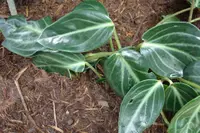
The leaves are dark, almost bronzy green, held on sturdy, upright stems, and often collect rainwater in the cupped tips before spilling it out. Plants have a clumping, upright habit that creates a strong architectural focal point.
This cultivar traces its origins to warm, humid regions of Asia, where related Colocasia species grow in wetlands and along streams. Its need for consistent moisture and warmth can challenge beginners, but understanding how to care for Elephant Ear makes it manageable.
It generally prefers bright light, rich and evenly moist soil, and protection from cold or drying winds.

Care Difficulty
Moderate Care

Light Preference
Partial Sun

Water Requirements
Aquatic

Temperature Preference
Tropical / Frost Sensitive

Hardiness Zone
7–11

Soil Texture
Loamy, Silty, Organic-rich

Soil pH
Acidic (5.5–6.5), Slightly acidic (6.5–7.0)

Soil Drainage
Waterlogged tolerant

Fertilization
Heavy (weekly, diluted)
Scan your plant to receive care tips personalized for your specific plant
Available on iOS and Android
Colocasia 'Coffee Cups' grows best with bright, indirect light and some gentle direct sun.
Colocasia 'Coffee Cups' prefers consistently moist soil and does not like to dry out fully.
This plant thrives in warm conditions and reacts poorly to cold or frost.
This plant prefers consistently high humidity to maintain healthy foliage and steady growth.
Colocasia 'Coffee Cups' performs best in consistently moist, rich, airier substrates than typical houseplant mixes.
This species is well suited to container growing outdoors on patios, balconies, or near ponds.
This Elephant Ear benefits from consistent but moderate nutrition during its active growing season.
Pruning focuses on keeping Colocasia 'Coffee Cups' tidy and channeling energy into healthy new foliage.
Transplanting or repotting keeps this colocasia vigorous by providing fresh substrate and space for expanding rhizomes.
Propagation of this colocasia is most reliable by division of its rhizomes and offsets rather than from seed.
Cold management is important, as this colocasia is not reliably hardy in areas with prolonged freezing.

Plant Health Check
Not sure what's wrong with your plant? Check your plant's health inside the app.
The upward-cupped leaves naturally collect rain or overhead irrigation, briefly holding water in the center before it spills over the rim, which inspired the common name Coffee Cups.
Its foliage shows a strong contrast between dark, almost black veins and the greener leaf tissue, a coloration that is especially pronounced in bright conditions and sets it apart from many other Colocasia cultivars.
Unlike many elephant ear relatives with aggressive, running rhizomes, this cultivar tends to form tighter clumps, which makes it more controllable in garden beds and large containers.

This cultivar is often used in water gardens and shallow ponds because its thick, slightly elevated petioles and cupped leaves tolerate very wet conditions and visually emphasize the occasional tipping and pouring of collected water, creating a dynamic focal point in aquatic plantings.
Brown tips or edges usually come from low humidity, dry soil between waterings, or fertilizer burn from strong feeds. Increase humidity, keep soil evenly moist, flush excess salts, and protect leaves from hot, drying wind.
Keep your plants happy and healthy with plant identification, disease detection, and easy care guidance.