Early framework training
In the first 3–4 years, select 3–5 strong branches as permanent scaffold limbs and remove competing or crossing shoots to build a stable, storm‑resistant crown.


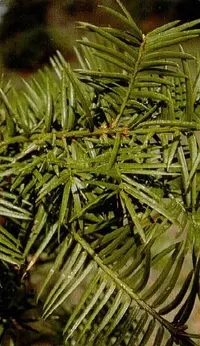
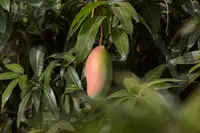
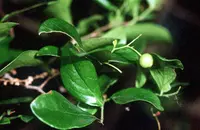
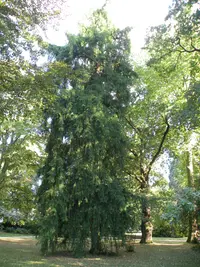
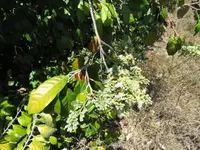
Wild peach, Kiggelaria africana, is a small to medium evergreen tree grown mainly as an ornamental and shade plant in mild climates. It has a rounded crown, grey-brown bark, and simple, slightly leathery leaves that give it a neat, dense look.
In nature it occurs across much of southern Africa, often on forest margins and rocky slopes. The tree is fairly tough once established, tolerating light frost, wind, and short dry spells.
It responds best to sun or light shade, moderately moist but well-drained soil, and protection from extreme cold in young plants, which helps make it easier to care for Wild Peach.

Care Difficulty
Moderate Care

Light Preference
Full Sun

Water Requirements
Moderate Water

Temperature Preference
Warm Climate

Hardiness Zone
9–11

Soil Texture
Sandy, Loamy, Clay

Soil pH
Slightly acidic (6.5–7.0), Neutral (7.0)

Soil Drainage
Well-drained

Fertilization
Minimal (feed rarely)
Scan your plant to receive care tips personalized for your specific plant
Available on iOS and Android
This South African evergreen tree prefers bright conditions and handles full sun in mild to warm climates.
This tree prefers evenly moist but not saturated soil once established in the landscape.
This species performs best in mild, frost-free to light-frost climates with moderate temperature swings.
This species tolerates a wide humidity range and does not usually need special humidity management indoors or outdoors.
This tree prefers well-structured, free-draining soil to support steady growth and prevent root problems.
This species can be grown in containers when young or maintained as a patio specimen with careful attention to root space and stability.
This native tree usually grows well in the ground with minimal feeding, but light nutrition supports healthy Wild Peach growth in poor soils or containers.
Kiggelaria africana responds well to light structural pruning to maintain a strong framework and tidy shape.
This species is usually grown in the ground, so transplanting young trees at the right stage is more important than frequent repotting.
Kiggelaria africana is most often propagated from seed, with cuttings used less frequently.
This tree is moderately frost tolerant in mild climates and usually needs only basic winter care once established.

Plant Health Check
Not sure what's wrong with your plant? Check your plant's health inside the app.
The tree is a primary larval host for several African butterfly species, including the garden acraea and the common joker, whose caterpillars feed almost exclusively on its leaves.
This species is usually dioecious, meaning male and female flowers are produced on different trees, so only female trees bear the characteristic round, yellowish fruit capsules.
When the fruit capsules split open, they expose bright orange-red arils that attract birds, which eat the fleshy covering and help disperse the hard seeds in their droppings.

In South Africa, this species is often planted in gardens and public spaces specifically to support local butterfly populations, because it reliably attracts breeding adults and large numbers of caterpillars, making it an important urban biodiversity tree.
This species is evergreen in mild, frost-free climates and keeps its foliage year-round. In colder or very dry areas it may thin leaves or look semi-evergreen, but it does not drop all foliage seasonally.
Keep your plants happy and healthy with plant identification, disease detection, and easy care guidance.