southernwood Care (Artemisia abrotanum)

Also known as: Lad's-love
southernwood

About southernwood

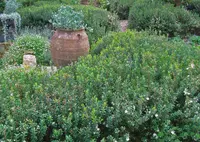
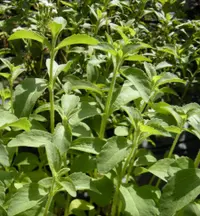
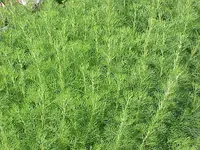
Southernwood, Artemisia abrotanum, is a woody perennial herb in the daisy family, grown mainly for its fine, aromatic foliage rather than showy flowers. It forms an upright, bushy shrub with slender, woody stems and soft, fern-like leaves that release a strong, resinous scent when touched.

The plant is native to southern Europe and western Asia but is widely grown in herb gardens and traditional cottage gardens in many temperate regions. It prefers sunny, open sites with well-drained, relatively poor soil and does not tolerate heavy, waterlogged ground.

Its drought tolerance and resistance to many pests make it fairly easy to manage once established, though it benefits from regular pruning to keep a compact shape. Beginners often find it straightforward to care for southernwood in suitable conditions.

Main Plant Requirements

Care Difficulty

Easy Care

Light Preference

Full Sun

Water Requirements

Low Water

Temperature Preference

Cold Hardy

Hardiness Zone

4–9

Soil Texture

Sandy, Loamy, Rocky

Soil pH

Slightly acidic (6.5–7.0), Slightly alkaline (7.0–7.5)

Soil Drainage

Well-drained

Fertilization

Minimal (feed rarely)

Get Personalized Care Plan

Scan your plant to receive care tips personalized for your specific plant

Available on iOS and Android

How to Care for the southernwood

Artemisia abrotanum prefers bright, open sites that mimic dry, sunny hillsides.

  • Provide 6–8 hours of direct sun daily; morning sun with light afternoon shade is ideal in hot summers.
  • Tolerates light partial shade (3–4 hours sun), but southernwood becomes lanky and less aromatic with less light.
  • In very hot regions, protect from intense afternoon sun with dappled shade to reduce leaf scorch, especially in mid-summer.

This shrub prefers on the dry side and is prone to problems if soil stays wet for long periods.

  • Allow the top 3–5 cm of soil to dry before watering; in most climates this means deep but infrequent watering based on weather, not a fixed schedule.
  • Use sharply drained soil or a raised bed so excess water runs off quickly, which is important for Artemisia abrotanum root health.
  • Watch for yellowing, soft stems as a sign of overwatering, and drooping, crisp foliage as a sign it has stayed dry too long.

This hardy subshrub tolerates a wide temperature range but responds best to moderate, dry conditions.

  • Optimal growing temperatures are 65–80°F (18–27°C), with good air movement to keep foliage dry.
  • Mature plants usually handle short drops to 10–15°F (-12 to -9°C) if soil drains well, though top growth may die back in severe winters.
  • Heat tolerant up to about 90–95°F (32–35°C) if soil is not waterlogged; in prolonged heat waves, mulch roots and avoid heavy pruning.

This species prefers relatively dry air and does not have demanding humidity requirements.

  • Target ambient humidity around 30–50% to match its naturally dry-climate preference.
  • Southernwood tolerates typical indoor dry air well, but prolonged humidity above 60% can encourage fungal issues.
  • Signs of excess humidity stress include limp foliage, blackened stem bases, and persistent surface mold rather than crisp browning from dryness.
  • If humidity is consistently high, improve air movement with a small fan and avoid crowding plants to reduce leaf wetness duration.

This plant thrives in light, well-aerated, fast-draining mineral soils.

  • Use a sandy or sandy-loam mix with 30–50% coarse sand or grit to keep the root zone dry and oxygenated.
  • Blend standard potting mix with perlite and small gravel to sharpen drainage and prevent waterlogging around Artemisia abrotanum roots.
  • Aim for slightly alkaline to neutral pH, roughly 6.8–7.5, and avoid heavy peat-dominant mixes that stay wet.
  • Do not add large amounts of rich compost or manure, which can hold excess moisture and encourage weak, lush growth.

This species is well suited to container growing when given a stable, free-draining setup.

  • Choose a wide, moderately deep pot to accommodate its spreading woody root system without cramping the crown area.
  • Select unglazed clay if possible, as it allows faster moisture loss that matches the plant’s dislike of prolonged root wetness.
  • Use a heavy or weighted container when grown tall, since the woody, upright stems can make the plant slightly top-heavy in wind.

This aromatic shrub prefers lean soils, so southernwood benefits from only light, controlled feeding.

  • Use a balanced, slow-release fertilizer (around 10-10-10) or a thin layer of compost in early spring as new growth starts.
  • Feed once, or at most twice, during the growing season; avoid rich, frequent fertilization that encourages floppy growth.
  • Apply at half the label strength for container plants to prevent salt buildup and root burn.
  • Stop feeding in late summer so growth hardens before winter and remains more cold-tolerant.

Thoughtful pruning keeps Artemisia abrotanum dense, bushy, and long-lived.

  • Carry out main pruning in late winter or very early spring before new shoots extend.
  • Remove dead, damaged, weak, or crossing stems first, then thin crowded interior growth for better air flow.
  • Lightly shorten current-season shoots after flowering to maintain a compact, rounded shape.
  • Use clean, sharp hand pruners and make cuts just above a leaf node to encourage healthy branching.

This shrub is usually grown in the ground, but containers or border transplants also suit Artemisia abrotanum when handled gently.

  • Plan transplanting or up-potting for early spring or early fall, when temperatures are mild and moisture is more reliable.
  • Look for roots circling the pot, quick drying soil, or slowed growth as signs a container plant needs more space.
  • Shift to a pot only 1–2 in wider or replant in well-drained soil, keeping the root ball at the same depth as before.
  • Water thoroughly after moving, then keep soil lightly moist for 1–2 weeks to reduce transplant shock and support root re-establishment.

This species is commonly renewed by cuttings and division for consistent foliage quality.

  • Take 7–10 cm semi-ripe stem cuttings in late spring to midsummer and remove lower leaves.
  • Insert cuttings into a free-draining mix, keep lightly moist, and maintain bright, indirect light until roots form.
  • Divide well-established outdoor clumps in early spring, replanting divisions promptly into similar, well-drained soil.
  • Seeds can be sown in spring in a gritty mix; provide light, consistent moisture and good air circulation for germination.

Established plants are generally cold hardy, so most gardens need only modest winter care.

  • In climates colder than the plant’s usual range, apply a 5–8 cm mulch layer around the root zone after the ground cools.
  • Avoid waterlogged soil in winter, since excess moisture around cold roots increases rot risk.
  • In very cold or exposed sites, grow in containers and move pots to a sheltered, frost-free but cool location.

Care Tips

Regular harvesting

Pinch or cut young, non-woody stems every few weeks during the growing season to encourage dense, bushy growth and maintain a compact, aromatic plant.

Woody base management

Every 3–4 years, replace older plants or layer younger shoots from the base, since the plant tends to become woody, leggy, and less productive with age.

Wind and lean control

In open, windy sites, lightly stake or use low ring supports around taller clumps to prevent stems from flopping and breaking, especially in fertile soils where growth is more vigorous.

Self-seeding control

Deadhead spent flower heads before seeds mature if you want to prevent unwanted seedlings and keep planting areas tidy and controlled when growing southernwood.

Low-input pest strategy

Encourage beneficial insects by avoiding broad-spectrum pesticides nearby, as the aromatic foliage already deters many pests and a balanced insect community helps keep outbreaks rare.

Common Pests and Diseases

Aphids

This pest feeds on new shoots and flower stems, causing curling, distortion, and sticky honeydew on foliage. Symptoms include clusters of soft-bodied insects on tender growth tips.

Solution

Prune off heavily infested shoot tips, then wash remaining stems with a strong but controlled stream of water to dislodge insects. For persistent colonies, apply insecticidal soap or a neem oil spray, ensuring thorough coverage of shoot tips and the underside of leaves, and repeat every 5–7 days until new growth appears clean.

Spider mites

These insects thrive in hot, dry conditions and cause fine speckling, dulling, and eventual bronzing of the feathery foliage, sometimes with fine webbing between stems. Symptoms include slowed growth and a dusty appearance on leaves when populations are high.

Solution

Increase humidity around the plant slightly and hose down foliage, focusing on the undersides of leaves to remove mites and webs. In outdoor beds or containers, use insecticidal soap or a light horticultural oil, applied in the early morning or evening, repeating weekly until foliage regains normal color and new damage stops.

Powdery mildew

This disease appears as white or gray powdery patches on leaves and young stems, which can cause leaf yellowing and reduced vigor. Symptoms include a dusty coating that spreads over time, especially in crowded or shaded plantings with poor air movement.

Solution

Remove and discard the most affected shoots to reduce inoculum, then improve spacing and airflow around the plant by thinning nearby vegetation. If needed, apply a sulfur or potassium bicarbonate fungicide labeled for ornamental herbs, coating both sides of foliage and repeating according to label directions during humid periods as part of Artemisia abrotanum plant care.

Rust

This disease causes small orange to brown pustules on the undersides of leaves and pale or yellow spots on the upper surfaces. Symptoms include premature leaf drop and a general decline in plant appearance if infection is heavy.

Solution

Promptly remove and bin affected leaves and any fallen debris around the base to reduce spores. Improve air circulation, avoid overhead watering, and use a copper-based or other rust-labeled fungicide on remaining foliage if new spots continue to appear.

Interesting Facts

Strong lemony aroma

The finely divided leaves release a strong lemony, camphor-like scent when touched, caused by volatile essential oils such as cineole and thujone that help deter many herbivores and insects.

Long history in Europe

This shrub has been grown in European monastery and cottage gardens since at least the Middle Ages, mainly as a fragrant hedge, a strewing herb for freshening indoor air, and for its reputed preservative properties around stored textiles.

Highly aromatic foliage

Despite its delicate, feathery appearance, the foliage is densely covered with oil glands, which makes the plant strongly aromatic even in dry weather and helps it tolerate browsing and some fungal pressure.

Botan icon

Did you know?

Southernwood was so valued for its persistent fragrance that sprigs were traditionally carried in church or public gatherings in parts of Europe to mask odors and provide a personal aromatic “handkerchief” before modern personal hygiene and perfumery were common.

FAQs about southernwood

Poor flowering usually comes from too much shade, overly rich or wet soil, or heavy spring pruning that removes flower buds. Provide full sun, moderately lean soil, and prune lightly right after its natural bloom period.

Grow Healthy Plants with Botan Care

Keep your plants happy and healthy with plant identification, disease detection, and easy care guidance.

Botan plant care app — identify plants on mobile

Explore More Plants