caterpillars Care (Phacelia congesta)

Also known as: Blue Curls
caterpillars

About caterpillars

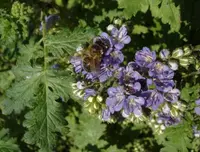
Phacelia congesta, often called blue curls or caterpillars, is an annual or short-lived perennial wildflower in the borage family. It forms airy clumps topped with curled clusters of violet-blue blooms that unfurl over time. Native to central and eastern Texas, it typically grows in open woodlands, roadsides, and rocky prairies, where soils are well drained and often poor. The plant is valued for its long flowering season and strong appeal to bees and other pollinators, which makes it popular in naturalistic gardens and wildflower meadows. It is generally easy to grow from seed, provided it receives sun, moderate moisture, and a site that does not stay waterlogged, which simplifies how to care for caterpillars in typical garden conditions.

Main Plant Requirements

Care Difficulty

Easy Care

Light Preference

Full Sun

Water Requirements

Moderate Water

Temperature Preference

Cool Climate

Hardiness Zone

6–10

Soil Texture

Sandy, Loamy, Rocky

Soil pH

Acidic (5.5–6.5), Slightly acidic (6.5–7.0)

Soil Drainage

Well-drained

Fertilization

Minimal (feed rarely)

Get Personalized Care Plan

Scan your plant to receive care tips personalized for your specific plant

Available on iOS and Android

How to Care for the caterpillars

Phacelia congesta performs best in bright outdoor conditions with moderate direct sun.

  • Provide 4–6 hours of direct morning sun with light afternoon shade, especially in hotter regions, to reduce scorch on leaves and flowers.
  • Allow bright open shade or high, filtered light for the rest of the day; dense shade leads to weak, floppy stems and fewer blooms.
  • In summer, protect plants from intense sun after 2–3 p.m.; this balance also supports caterpillars using the foliage without excessive leaf burn.

Water to maintain evenly moist but not saturated soil during active growth and flowering.

  • In garden beds, water when the top 3–5 cm of soil feels dry, then soak the root zone thoroughly and allow excess to drain away.
  • During cooler or rainy seasons, extend the interval between waterings; in hot, dry periods, check soil every 1–2 days for faster drying.
  • Overwatering shows as yellowing, soft stems, and a sour smell, while underwatering appears as wilting at midday that does not improve by evening.

Stable, mild temperatures support strong growth and reliable flowering.

  • Optimal growth occurs around 60–75°F (16–24°C); plants handle brief swings outside this range if soil moisture stays consistent.
  • Phacelia congesta tolerates light frost down to about 25–28°F (-4 to -2°C), but repeated hard freezes below this can damage foliage and buds.
  • In hot weather above 85–90°F (29–32°C), flowering may slow; provide afternoon shade and avoid heat-reflecting surfaces to limit stress.

Humidity is rarely a limiting factor for this species in typical outdoor conditions.

This species prefers loose, fast-draining mineral soils that do not stay wet for long.

  • Use a sandy or sandy-loam mix with 20–30% coarse sand or fine gravel to keep the root zone open and free-draining.
  • Incorporate a modest amount of compost (10–20%) to add nutrients without making the substrate heavy or waterlogged.
  • Aim for slightly acidic to neutral pH, around 6.0–7.2, which suits most field conditions for Phacelia congesta.
  • Avoid heavy clay, compacted areas, or spots where water stands after rain, as low oxygen levels promote root diseases.

This annual can be grown in containers if they are sized and drained correctly.

  • Choose a pot at least 20–25 cm deep to allow the taproot and branching roots to develop without circling tightly.
  • Use a rigid, heavier container material if placed in windy sites, as the leafy, blooming stems can make the pot top-heavy.
  • Elevate the pot slightly on feet or bricks so drainage holes stay clear and runoff leaves quickly after rain or irrigation.

Phacelia congesta needs only light feeding in most garden soils, as it is adapted to lean conditions and supports caring for caterpillars and other pollinators.

  • Use a balanced, low-strength liquid fertilizer (such as 10-10-10) at 1/2–1/4 label strength if growth appears weak.
  • Apply during active growth in spring and early summer every 4–6 weeks, avoiding very hot, dry periods.
  • On richer soils, rely mainly on a thin layer of compost around plants once in spring.
  • Stop feeding in late summer to allow plants to complete flowering and seed set naturally.

Pruning Phacelia congesta is mainly done to tidy plants and extend blooming.

  • Cut back spent flower stems in late spring or early summer to encourage a neater mound and some rebloom.
  • Remove dead, damaged, or lodging (fallen over) stems at ground level using clean hand pruners or scissors.
  • Thin congested stems lightly to improve air flow and reduce mildew risk in humid climates.
  • At season’s end, shear plants close to the ground, leaving roots to decompose and enrich the soil.

This species is usually grown as a direct-sown annual or short-lived perennial, so transplanting is more relevant than repotting.

  • Sow in small cells or plugs and transplant when roots hold the soil but are not circling the container.
  • Move plants outdoors in early spring after hard frosts have passed, handling the root ball gently to reduce shock.
  • Space transplants so roots can expand freely, using well-drained soil and watering thoroughly after planting.
  • Containers are short-term; up-pot only once if roots are very crowded or growth stalls, shifting to a slightly larger pot.

Phacelia congesta is most commonly propagated by seed, which germinates reliably under simple conditions.

  • Sow seeds in late fall or early spring, either directly in the garden or in trays kept cool and bright.
  • Press seeds lightly into the surface or cover very thinly, as they need some light to germinate.
  • Keep the substrate evenly moist, not waterlogged, at about 55–65°F until seedlings emerge.
  • Harden off young plants gradually before planting out, exposing them to outdoor conditions over 5–7 days.

Phacelia congesta is usually treated as an annual in colder climates and needs little specific winter care.

  • In mild regions, light frosts are tolerated, but hard freezes can kill above-ground growth.
  • Allow seed heads to dry and shatter in fall, so plants can reseed naturally for the next season.
  • For container plants in cold areas, discard after seed set or resow rather than attempting overwintering.

Care Tips

Staggered Succession Sowing

Sow small patches every 2–3 weeks in early spring to extend the bloom window and keep the stand looking full as earlier plants finish flowering.

Support in Windy Sites

In exposed gardens, run a low twine or mesh line along the row at 15–20 cm height so the soft stems lean together and resist lodging in strong wind or heavy rain.

Deadhead for Seed Control

If self-seeding is not desired, shear off spent flower spikes as soon as they fade to prevent seed set while encouraging a tidier, more compact habit.

Companion for Beneficials

Plant it in drifts near vegetable beds or fruit trees to attract hoverflies, native bees, and predatory wasps that help with pollination and pest control.

Dry Seed Harvesting

For future sowings, allow a selected patch to dry fully on the plant, then cut and shake the brittle seed heads over a clean tray, air-dry the seed for 3–5 days, and store it in a labeled paper envelope in a cool, dry place to grow Phacelia congesta next season.

Everything About caterpillars

Common Pests and Diseases

Leaf miners

This pest tunnels inside the leaf tissue and creates pale, winding trails that can deform the delicate foliage. Symptoms include reduced vigor on heavily affected plants, especially in young stands or nursery settings.

Solution

Remove and destroy mined leaves as soon as trails appear to interrupt the life cycle, and avoid overhead irrigation that keeps foliage wet and more susceptible to secondary issues. In outdoor plantings, encourage beneficial wasps and other natural enemies by avoiding broad-spectrum insecticides; in small beds, floating row covers can help protect young plants during peak adult fly activity.

Aphids

These insects cluster on tender stems, buds, and the undersides of leaves, sucking sap and excreting sticky honeydew that can attract sooty mold. Symptoms include curling foliage and stunted flowering spikes in dense plantings.

Solution

Dislodge colonies with a firm water spray in the morning and repeat as needed, focusing on new growth. Promoting lady beetles and lacewings, avoiding excess nitrogen fertilization, and using insecticidal soap on persistent infestations helps keep populations below damaging levels.

Powdery mildew

This disease appears as a white to gray powdery coating on leaves and stems, which can cause yellowing and premature leaf drop under crowded or humid conditions. Symptoms include reduced flowering and an overall dull, stressed appearance in affected patches.

Solution

Improve air circulation by thinning crowded plants and avoid overhead watering, especially late in the day. Remove and dispose of heavily infected plant material, and in recurrent problem sites consider resistant companion species or relocating plantings to a sunnier, breezier position as part of general Phacelia congesta care.

Botrytis blight

This disease causes soft, water-soaked spots on flowers and foliage that quickly develop a gray, fuzzy mold under cool, damp conditions. Symptoms include collapsing flower clusters and rotting tissue at the base of dense, poorly ventilated growth.

Solution

Promptly remove and discard all affected flowers and leaves, and keep plant debris off the soil surface to limit spore buildup. Reduce humidity by spacing plants more widely, watering at soil level in the morning, and avoiding prolonged leaf wetness; in high-value seed or restoration plantings, short-term use of a labeled fungicide may be justified when wet weather persists.

Interesting Facts

Coiled flower spikes

The inflorescences unfurl from a tight fiddlehead-like coil, with new funnel-shaped flowers opening sequentially along the curve and extending the bloom period in spring.

Specialized bee resource

This species is an important pollen and nectar source for native solitary bees in its Texas range, supporting pollinators early in the season when other resources may still be limited.

Moist limestone specialist

In the wild it most often grows in seepage areas, along stream banks, and on moist limestone outcrops, showing a clear preference for calcareous, consistently damp substrates.

Botan icon

Did you know?

In parts of central Texas, dense natural colonies of this species can visibly tint roadside seeps and stream edges blue during peak bloom, making it one of the most conspicuous early-season wildflowers in those microhabitats.

FAQs about caterpillars

This species is highly attractive to native bees, honeybees, and many butterflies due to its nectar-rich, coiled flower clusters. Planting it in sunny, open spots can significantly increase pollinator activity in a garden or wildflower meadow.

Grow Healthy Plants with Botan Care

Keep your plants happy and healthy with plant identification, disease detection, and easy care guidance.

Botan plant care app — identify plants on mobile

Explore More Plants