New Mexico evening primrose Care (Oenothera neomexicana)

New Mexico evening primrose

About New Mexico evening primrose

New Mexico evening primrose (Oenothera neomexicana) is a perennial wildflower native to dry regions of the Southwestern United States. It typically forms low clumps of narrow leaves with upright flowering stems.

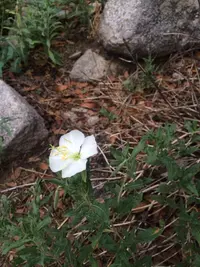
The plant produces pale pink to white, bowl-shaped flowers that open in the evening and attract moths and other night pollinators. Its deep root system helps it tolerate drought and poor, sandy or gravelly soils.

This species suits low-water gardens, native plantings, and naturalized areas where it receives full sun and good drainage. Understanding how to care for New Mexico evening primrose starts with providing bright light, lean soil, and minimal summer watering once established.

Main Plant Requirements

Care Difficulty

Easy Care

Light Preference

Full Sun

Water Requirements

Low Water

Temperature Preference

Cold Hardy

Hardiness Zone

4–9

Soil Texture

Sandy, Loamy, Rocky

Soil pH

Slightly acidic (6.5–7.0), Neutral (7.0)

Soil Drainage

Well-drained

Fertilization

Minimal (feed rarely)

Get Personalized Care Plan

Scan your plant to receive care tips personalized for your specific plant

Available on iOS and Android

How to Care for the New Mexico evening primrose

This sun-loving perennial thrives in bright, open sites that mimic its native desert habitat.

  • Provide 6–10 hours of direct sun daily; morning to midafternoon sun promotes compact growth and abundant blooms in New Mexico evening primrose.
  • Plant in an open, unshaded spot; it tolerates very light afternoon shade in hotter regions but flowers less in sites with more than 3–4 hours of shade.
  • In cooler months, maximize sun exposure, while in extreme summer heat consider slight afternoon shade to reduce leaf scorch and premature flower fade.

This drought-adapted species prefers infrequent, deep watering and fast-draining soil.

  • Allow the top 5–8 cm of soil to dry completely before watering, then soak the root zone thoroughly and let excess moisture drain away.
  • Use gravelly or sandy soil with excellent drainage; standing water, soggy clay, or mulch piled against the crown often leads to root rot and decline in Oenothera neomexicana.
  • In spring and early summer, observe foliage for slight soft wilting as a cue to water; in cooler or rainy seasons, reduce or skip watering to avoid yellowing, mushy stems, and fungal issues.

This hardy perennial accepts significant temperature swings when soil drains well.

  • Best growth occurs around 65–85°F (18–29°C), especially during the active spring and early summer flowering period.
  • Mature plants often tolerate brief dips to 0–10°F (-18 to -12°C) with good drainage, but young plants benefit from protection from hard, exposed frost and ice.
  • In hot summers above 95°F (35°C), flowering may slow; light afternoon shade and slightly deeper mulch help protect roots from extreme soil heat without creating soggy conditions.

This species is adapted to arid climates, so humidity is rarely a concern in typical homes or outdoor conditions.

This desert perennial prefers lean, fast-draining soil that mimics sandy, rocky native habitats.

  • Use sandy or gritty loam with 40–60% mineral material such as coarse sand, fine gravel, or pumice to prevent water retention around roots.
  • Aim for slightly acidic to neutral pH around 6.0–7.5, avoiding very acidic or highly alkaline substrates that limit nutrient availability.
  • In containers, mix roughly 2 parts cactus mix with 1 part coarse sand or small grit to increase drainage and aeration for Oenothera neomexicana.
  • Avoid dense clay, peat-heavy, or waterlogged soils, which promote root rot and reduce oxygen around the root zone.

This species can be grown in containers if the potting setup prevents prolonged root wetness and mimics dry, open soil.

  • Choose a wide, shallow container to accommodate the spreading root system and keep the upper soil layer drying quickly between waterings.
  • Select unglazed terracotta rather than plastic when possible, since its porous walls allow faster evaporation and reduce the risk of soggy substrate.
  • Place the pot where rain or irrigation does not repeatedly pool around it, avoiding trays or cachepots that trap runoff against the drain holes.

This drought-adapted perennial needs minimal feeding, so focus on lean, well-drained soil for healthy growth.

  • Apply a light layer of compost or well-rotted manure in early spring as the main nutrient boost for New Mexico evening primrose.
  • If using fertilizer, choose a balanced NPK product diluted to 25–50% strength to avoid lush, weak growth.
  • Feed at most 1–2 times during the growing season; skip fertilization in fall and winter when growth slows.

Pruning Oenothera neomexicana is simple and mainly aims to keep plants tidy and flowering well.

  • In late winter or early spring, remove dead, damaged, or diseased stems with clean, sharp pruners.
  • Shear back spent flowering stems by one-third after the main bloom to encourage a lighter rebloom and compact shape.
  • Thin crowded or sprawling shoots during the season to improve air flow and reduce risk of foliar disease.
  • Deadhead individual faded flowers if practical to limit unwanted self-seeding near walkways or beds.

This species is usually grown in-ground and prefers minimal disturbance once established.

  • Transplant in early spring or early fall, when temperatures are mild and soil moisture is stable.
  • Move plants only if growth declines, clumps crowd nearby plants, or roots circle a container in nursery stock.
  • Lift with a wide soil ball, handle roots gently, and replant at the same depth in sharply drained, low-fertility soil.
  • Water thoroughly after transplanting, then keep soil lightly moist (not wet) for 1–2 weeks to limit transplant shock.

New plants are most often produced from seed, with occasional division of established clumps.

  • Collect ripe seed in late summer, then sow in fall or very early spring outdoors for natural cold stratification (chilling period).
  • Provide full sun and sharply drained, sandy or gravelly soil; keep surface just barely moist until seedlings establish.
  • Divide small sections of the clump in early spring, ensuring each piece has healthy roots and several buds.
  • Replant divisions immediately, water in well, and shade lightly for a few days in hot climates to reduce stress.

This hardy perennial usually overwinters outdoors in much of the US with little intervention.

  • Tolerates typical frosts in USDA zones where it is commonly grown, dying back to a root crown.
  • In colder or exposed sites, apply a thin 2–5 cm layer of dry mulch around the crown after hard frost.
  • For container plants, move pots to a sheltered, unheated area to prevent repeated freeze–thaw of the root zone.

Care Tips

Encourage Basal Clumps

After flowering finishes, lightly shear spent stems back by 1/3 to push energy into dense basal foliage, which helps the plant form tighter, longer-lived clumps instead of becoming open and floppy.

Manage Self-Seeding

Leave only a portion of seed pods to mature if you want some natural reseeding, then deadhead the rest before they shatter to prevent the plant from spreading too aggressively into nearby planting areas.

Use Gravel Mulch

Apply a 2–3 cm layer of coarse gravel or crushed stone around the crown instead of organic mulch to mimic its native, fast-draining habitat and reduce crown rot risk in wet periods.

Prepare For Winter Wet

In regions with wet winters, plant on a slight mound or in a raised bed and ensure no organic mulch touches the crown, as this greatly reduces losses from cold, waterlogged soil.

Time Transplanting Carefully

Transplant only very young plants with minimal root disturbance in early spring or early fall, since mature clumps react poorly to lifting and division and may not re-establish well if moved in hot weather.

Common Pests and Diseases

Flea beetles

These insects chew many small round holes in leaves, often giving foliage a shot-hole or lace-like appearance and slowing growth in young plants.

Solution

Use floating row covers in spring to protect new growth, clear nearby weeds that harbor beetles, and if damage is significant, apply a targeted spinosad or pyrethrin product in the evening, following label directions carefully.

Spider mites

This pest causes fine stippling on leaves, pale or bronzed foliage, and may leave delicate webbing in dry, hot weather.

Solution

Spray foliage thoroughly with a strong stream of water every few days to dislodge mites, increase humidity around plants if grown in very dry microclimates, and use insecticidal soap or horticultural oil on the undersides of leaves if infestation persists.

Leafminers

These insects create winding, pale tunnels inside leaves that can reduce photosynthesis and make plants look unsightly.

Solution

Remove and discard mined leaves as soon as tunnels appear, reduce nearby weed hosts, and use lightweight row covers to prevent adult flies from laying eggs on foliage in early growth stages.

Powdery mildew

This disease produces white, powdery patches on leaves and stems, which can lead to yellowing and premature leaf drop in humid conditions, even in otherwise drought-adapted plants.

Solution

Improve air circulation by spacing plants appropriately, water at soil level rather than overhead, remove heavily infected foliage, and if needed apply a sulfur-based or potassium bicarbonate fungicide suitable for ornamental perennials as part of broader Oenothera neomexicana care instructions.

Interesting Facts

Southwestern desert specialist

This evening primrose is native to arid regions of New Mexico, Arizona, and nearby areas, where it grows in sandy or gravelly soils and endures high light and low rainfall typical of the Southwestern US.

Night-blooming adaptation

The flowers typically open in the evening and fade by the next day, an adaptation that aligns their peak nectar availability with nocturnal or crepuscular pollinators such as moths.

Basal rosette growth

Plants often form a low basal rosette of leaves close to the ground, which helps reduce water loss and protects growing points from temperature extremes and wind exposure in open desert habitats.

FAQs about New Mexico evening primrose

This species forms clumps and can self-seed, slowly expanding over time, but it is not typically aggressive. Deadhead spent flowers before seeds mature if you want to limit spread and keep plantings more controlled.

Grow Healthy Plants with Botan Care

Keep your plants happy and healthy with plant identification, disease detection, and easy care guidance.

Botan plant care app — identify plants on mobile

Explore More Plants