Pinch For Bushiness
Pinch out the soft tips of trailing stems every 3–4 nodes to keep the plant compact and dense, and use the healthy pinchings as cuttings to restart any leggy sections.

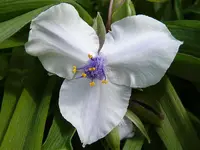
Spiderwort, including the cultivar Tradescantia 'Osprey', is a trailing evergreen perennial commonly grown as a houseplant. It belongs to the dayflower family and is valued for its patterned foliage rather than flowers. 'Osprey' typically shows pale, variegated leaves with soft tones and a compact, cascading growth habit that suits hanging baskets or shelf edges.
In nature, Tradescantia species come from warm, humid regions of Central and South America, where they grow as groundcovers or scrambling understory plants. This origin makes them adaptable indoor plants that generally tolerate a range of household conditions.
Overall, it is considered easy to grow, provided it receives bright, indirect light, evenly moist but not waterlogged soil, and moderate temperatures. Understanding how to care for Spiderwort starts with respecting its preference for stable, gentle conditions and avoiding extremes.

Care Difficulty
Easy Care

Light Preference
Bright Indirect Light

Water Requirements
Moderate Water

Temperature Preference
Tropical / Frost Sensitive

Hardiness Zone
9–11

Soil Texture
Loamy, Sandy, Organic-rich

Soil pH
Acidic (5.5–6.5), Slightly acidic (6.5–7.0)

Soil Drainage
Moist but well-drained

Fertilization
Light (every 4–6 weeks)
Scan your plant to receive care tips personalized for your specific plant
Available on iOS and Android
This cultivar prefers bright, indirect light to maintain compact growth and clear variegation.
Tradescantia 'Osprey' prefers evenly moist, fast-draining soil without staying soggy.
This plant thrives in mild, stable temperatures and reacts poorly to frost or extreme heat.
This plant prefers moderate indoor humidity and reacts if air stays very dry.
Tradescantia 'Osprey' grows best in a light, fast-draining, organic-rich potting medium.
This species is very suitable for container growing, including hanging baskets and shallow pots.
Tradescantia 'Osprey' benefits from light, consistent feeding during active growth to maintain foliage color and dense trailing stems.
Thoughtful pruning keeps Tradescantia 'Osprey' compact, encourages branching, and refreshes leggy growth.
Repotting helps maintain root health and supports vigorous trailing growth in Tradescantia 'Osprey'.
Propagation of Tradescantia 'Osprey' is commonly done from stem cuttings to refresh older plants and create backups.
Winter care for Tradescantia 'Osprey' focuses on frost avoidance and slightly cooler, drier conditions.

Plant Health Check
Not sure what's wrong with your plant? Check your plant's health inside the app.
This cultivar produces small, 3-petaled flowers with a distinct bicolored effect: white petals often edged or flushed with soft lavender to pale purple, giving a two-tone look that differs from the solid purple or blue blooms of many wild Tradescantia species.
Its leaves show stable, creamy white to pale green variegation along the margins and midrib, contrasting with the greener background tissue and sometimes faint purple tints, which makes it visually different from non-variegated spiderwort types.
Compared to many trailing Tradescantia used in hanging baskets, this selection tends to form a more compact, upright to arching clump, reflecting its origin from garden spiderwort breeding rather than from vine-like, fully trailing relatives.
Brown tips usually come from low humidity, fertilizer buildup, or past drought stress. Flush the pot thoroughly, trim damaged edges, and maintain steadier moisture. Avoid placing the plant near heating vents or strong drafts.
Keep your plants happy and healthy with plant identification, disease detection, and easy care guidance.