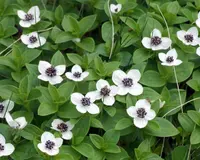
Southern Anemone Care (Anemone decapetala)

Southern Anemone

About Southern Anemone

Southern anemone (Anemone decapetala) is a hardy, herbaceous perennial from the buttercup family. It forms clumps of deeply divided, fresh green leaves. In spring to early summer it produces upright stems topped with creamy white flowers, often with a soft yellow center, giving a light, naturalistic look to garden borders and meadows. Native to parts of South America, it has adapted well to temperate climates with cool to mild winters. This species tends to be robust once established but can resent waterlogged soil or very hot, dry conditions. It generally prefers sun to light shade, moderate moisture, and well-drained soil, which guides how to care for Southern Anemone in home gardens.

Main Plant Requirements

Care Difficulty

Moderate Care

Light Preference

Full Sun

Water Requirements

Moderate Water

Temperature Preference

Cold Hardy

Hardiness Zone

6–9

Soil Texture

Sandy, Loamy, Rocky

Soil pH

Slightly acidic (6.5–7.0), Neutral (7.0)

Soil Drainage

Well-drained

Fertilization

Minimal (feed rarely)

Get Personalized Care Plan

Scan your plant to receive care tips personalized for your specific plant

Available on iOS and Android

How to Care for the Southern Anemone

This species thrives in bright, open positions with moderate direct sun and some daily shade.

  • Provide 4–6 hours of direct morning sun, with light or partial shade in the hotter afternoon to protect foliage from scorch.
  • Site Southern Anemone where it receives filtered light under high, open shrubs or trees in regions with very intense summer sun.
  • Watch growth: sparse, weak stems and few flowers indicate too little light, while crisped leaf edges and faded blooms suggest excessive sun exposure.

This perennial prefers consistently moist, well-drained soil rather than alternating drought and saturation.

  • Water when the top 3–5 cm of soil feels dry, aiming for evenly moist but never waterlogged conditions around the root zone.
  • Ensure free-draining soil with added organic matter so excess water can move away, reducing risk of root rot in Anemone decapetala.
  • In spring and flowering periods, monitor more closely; in cooler or rainy seasons, reduce watering and watch for yellowing, limp leaves as a sign of overwatering.

This hardy perennial tolerates cool conditions but performs best in mild, temperate climates.

  • Active growth is strongest around 55–70°F (13–21°C), with good flowering when spring and early summer stay within this range.
  • Established plants usually tolerate lows down to about 10–15°F (-12 to -9°C), dying back above ground but re-sprouting from the crown in spring.
  • Heat above 85°F (29°C), especially with dry soil, can stress plants; provide mulch and occasional afternoon shade during hot spells to limit leaf scorch.

Humidity is rarely critical for Anemone decapetala, which adapts well to typical outdoor conditions in most temperate regions.

Anemone decapetala performs best in loose, well-aerated ground that stays evenly moist yet drains quickly.

  • Use a loamy mix with 40–60% garden soil, 20–30% compost, and 20–30% sharp sand or fine grit for structure.
  • Aim for slightly acidic to neutral pH around 6.0–7.0 to support nutrient uptake and root health.
  • In heavier clay, improve drainage by incorporating coarse sand or grit and leaf mold through the top 20–25 cm.
  • Avoid compacted, waterlogged, or peat-only substrates, which reduce oxygen around the roots and increase rot risk.

This species can be grown in containers if the pot allows enough depth and fast drainage for its fibrous roots.

  • Select a container at least 25–30 cm deep so roots can spread downward without circling tightly near the base.
  • Choose a heavier material such as ceramic or thick terracotta to keep the pot stable against wind and top growth sway.
  • Elevate the pot slightly on feet or bricks so drainage holes clear the ground and excess water escapes quickly after rain or watering.

This plant grows well in reasonably fertile soil and benefits from modest feeding during the active season.

  • Apply a light dressing of compost or well-rotted manure in early spring to support new growth in Southern Anemone.
  • Use a balanced, slow-release fertilizer (around 10-10-10) at half strength once in early to mid-spring.
  • Avoid high-nitrogen products that drive leafy growth at the expense of flowers.
  • Do not feed during dormancy or winter; excess nutrients at that time can stress roots.

Anemone decapetala needs only light, targeted pruning to stay healthy and flowering well.

  • Cut back spent flower stems and faded foliage in late autumn or early spring to tidy the clump.
  • Remove dead, diseased, or storm-damaged stems with clean, sharp hand pruners.
  • Thin out crowded shoots at the base to improve air flow and reduce fungal problems.
  • Avoid heavy cutting into healthy crowns, as this can reduce flowering the following season.

This species is more often grown in the ground, so transplanting divided clumps is more relevant than frequent repotting.

  • Plan moves or divisions in early spring or early autumn, when temperatures are mild and growth is slower.
  • Look for signs such as congested clumps, weak flowering, or container roots circling the pot as cues to act.
  • Lift the clump carefully, keep as much soil around the roots as possible, and replant at the original depth.
  • Water gently after planting, then keep soil evenly moist for 1–2 weeks to limit transplant shock.

Anemone decapetala is commonly propagated by division and from seed under suitable conditions.

  • Divide established clumps in early spring or just after flowering, ensuring each section has buds and healthy roots.
  • Replant divisions promptly into prepared soil and water well to settle soil around roots.
  • Sow fresh seeds in trays outdoors in autumn, allowing natural winter chilling to break dormancy.
  • Keep seed trays evenly moist in bright, indirect light and transplant seedlings once large enough to handle.

This species is generally cold hardy in temperate climates and needs only modest winter care in the ground.

  • Tolerates light to moderate frost once established, with top growth dying back naturally.
  • Apply a 5–8 cm mulch layer over the root zone in late autumn to buffer soil temperature.
  • In very cold regions, grow in containers and move pots to a sheltered, frost-free but cool location.

Care Tips

Staking tall stems

Install discreet stakes or low pea netting around young plants in early spring so the tall, brittle flowering stems have support before wind or heavy rain can snap them.


Cool root mulch

Apply a 3–5 cm layer of fine composted bark or leaf mold around, but not touching, the crowns to keep roots cool, suppress weeds, and maintain more even soil moisture through the flowering season.

Rhizome division timing

Lift and divide established clumps in late summer to early fall, when foliage starts to decline, replanting firm, healthy rhizome sections at the same depth to control spread and reinvigorate flowering.

Self-seeding management

Deadhead spent flowers before seed set in small gardens, or shake ripe seedheads over a prepared area where new plants are welcome, to keep this species from popping up in unwanted spots while still growing Southern Anemone effectively.

Powdery mildew prevention

Space plants to allow good air movement, avoid overhead watering late in the day, and remove the first affected leaves promptly to limit powdery mildew on dense clumps.

Common Pests and Diseases

Powdery mildew

This disease produces a white, powdery film on leaves, stems, and flower stalks, especially in crowded or shaded plantings. Symptoms include distorted new growth and reduced flowering.

Solution

Improve air circulation by thinning and spacing clumps, avoid overhead watering, and remove heavily affected leaves to limit spread. In persistent cases, apply a sulfur or potassium bicarbonate fungicide labeled for ornamentals at the first sign of infection and repeat as directed during humid periods.

Downy mildew

This disease causes yellow or pale blotches on the upper leaf surface with a grey or violet downy growth on the underside in cool, damp conditions. Symptoms include premature leaf drop and weakened plants that flower poorly.

Solution

Reduce leaf wetness by watering at soil level and watering early in the day, and increase airflow around the plants. Remove and destroy infected foliage, and if conditions stay cool and wet, use a copper-based fungicide labeled for downy mildews, following label intervals during high-risk weather.

Leaf spot

This disease produces small brown, purple, or black spots that can merge into larger patches, often starting on lower leaves in wet weather. Symptoms include yellowing and early dieback of foliage, which can weaken clumps over time.

Solution

Promptly remove and discard spotted leaves, especially those touching the soil surface, and avoid splashing water onto foliage. Where leaf spot recurs each season, apply a protective fungicide for ornamental perennials at the start of new growth and maintain good spacing and mulching to limit soil splash.

Leaf miners

These insects create pale, winding tunnels inside leaves that look like whitish or translucent trails. Symptoms include cosmetic damage, reduced photosynthesis, and in severe cases partial leaf collapse.

Solution

Hand-remove and destroy mined leaves as soon as trails appear, focusing on heavily affected foliage. In larger plantings, use yellow sticky traps to monitor adult flies and, if needed, apply a systemic insecticide or a spinosad-based product when new mines first appear, targeting young larvae inside the leaves.

Nematode leaf lesions

This disease is caused by microscopic nematodes that feed inside the leaf tissue, producing angular brown patches limited by the leaf veins. Symptoms include patchy, distorted foliage and gradual thinning of the clump in persistently infested soil.

Solution

Remove and destroy affected leaves, avoid overhead irrigation that splashes water between plants, and do not propagate from symptomatic clumps. In infested sites, rotate the planting area, improve drainage, and use clean, certified stock; in high-value plantings, consider raised beds with fresh, nematode-free soil to continue growing Southern Anemone without reinfection.

Interesting Facts

Southern Hemisphere native

This species occurs naturally in southern South America, particularly in Chile and Argentina, where it grows in open, rocky or grassy habitats rather than dense forests.

Rhizome-based regrowth

It survives seasonal stress through a rhizome, a short underground stem that stores energy and allows the plant to resprout after cold or dry periods.

Distinctive leaf and flower form

Its leaves are deeply divided into narrow segments, and the pale yellow to creamy-white flowers are relatively large, held singly on long stalks, which makes it stand out from many other local wildflowers.

FAQs about Southern Anemone

This species has a moderate growth rate. Young plants may take 2–3 seasons to establish a strong root system and fill their space. Good light, well‑drained soil, and consistent moisture support faster, sturdier development.

Grow Healthy Plants with Botan Care

Keep your plants happy and healthy with plant identification, disease detection, and easy care guidance.

Botan plant care app — identify plants on mobile

Explore More Plants