
caterpillars Identification (Phacelia congesta)

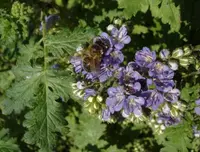
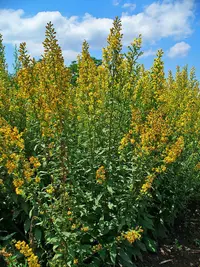
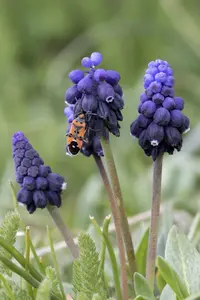
Recognize Phacelia congesta by its tightly clustered, curved flower spikes, each lined with many small lavender to blue-purple, five-lobed flowers with long stamens that project beyond the petals.

The plant also shows alternate, deeply lobed leaves along upright branching stems, usually forming a bushy clump about 1 to 3 feet (30 to 90 cm) tall.

Phacelia congesta Identification

Identify a Plant by Photo

Take a photo and use Botan to confirm your plant identification.

Clear images work best. Avoid photos taken too close or too far away

Check the flower spikes, leaves, and overall habit of Phacelia congesta.

  • Upright annual, usually 1-3 feet (30-90 cm) tall, often branching near the top.
  • Flower clusters are tightly coiled at first, then unroll into curved, one-sided spikes.
  • Small flowers are lavender to bluish-purple with 5 rounded lobes and long, projecting stamens.
  • Leaves are alternate, hairy, and deeply lobed or divided, often 2-8 inches (5-20 cm) long.

The coiled flower spikes and long stamens are the quickest visual clues.

Phacelia congesta shows clear visual shifts from low rosettes to coiled flowering spikes.

  • Seedling: Early plants form a small basal rosette with soft, oval to shallowly lobed leaves and no obvious upright stem.
  • Young plant: Leaves become more deeply divided and hairy, and the plant sends up branching stems, standing about 1-3 feet (30-90 cm) tall.
  • Flowering stage: Branch tips carry tight, curved clusters that slowly uncoil, revealing many small lavender to blue flowers with long protruding stamens.
  • Fruiting stage: After bloom, the coiled clusters stay evident, but flowers dry and are replaced by small capsules tucked within the persistent calyx.

In spring, Phacelia congesta becomes easier to spot as hairy, lobed basal leaves expand and upright stems quickly rise above them. From late spring into summer, tight coiled flower clusters open into small lavender-blue blooms. As flowering ends, the plant dries and turns brown, with spent curled clusters and seed capsules remaining visible for a time.

Several wildflowers can be mistaken for Phacelia congesta at a quick glance.

Virginia waterleaf(Hydrophyllum virginianum)

Both have rough, lobed leaves and clustered pale flowers. Virginia waterleaf usually has more deeply cut leaves and looser flower clusters, while Phacelia congesta forms denser, rounded flower heads on taller stems.

Miami mist(Phacelia purshii)

This relative can confuse people because it also has soft, hairy foliage and lavender to blue flowers. It stays shorter, often under 2 feet (60 cm), and bears more open, bell-shaped flowers rather than tight, congested clusters.

Phacelia congesta is native to the south-central United States, especially Texas and nearby parts of Oklahoma, Louisiana, and Arkansas. It is most often found in prairies, open woods, roadsides, and disturbed ground. That setting helps with identification because this species is more likely in sunny, inland grassland or edge habitats than in wetlands, deserts, or deep forest shade.

Confirm the Species with Botan

Upload a photo to compare key details and get help checking whether the plant label or initial ID is correct.

FAQ

Flowers are usually visible from spring into summer. The species is easiest to spot then because it carries dense, rounded clusters of small lavender to blue-purple flowers above deeply lobed leaves.

More Plant Identification Guides

Identify First. Learn What Comes Next.

Use Botan to identify a plant from a photo, then review plant details, care information, and common problems for that species.

Botan app identifying a plant from a photo
How to Clean Plant Leaves: A Simple Care Guide

6 min read · 4 Aug 2026

How to Clean Plant Leaves: A Simple Care Guide

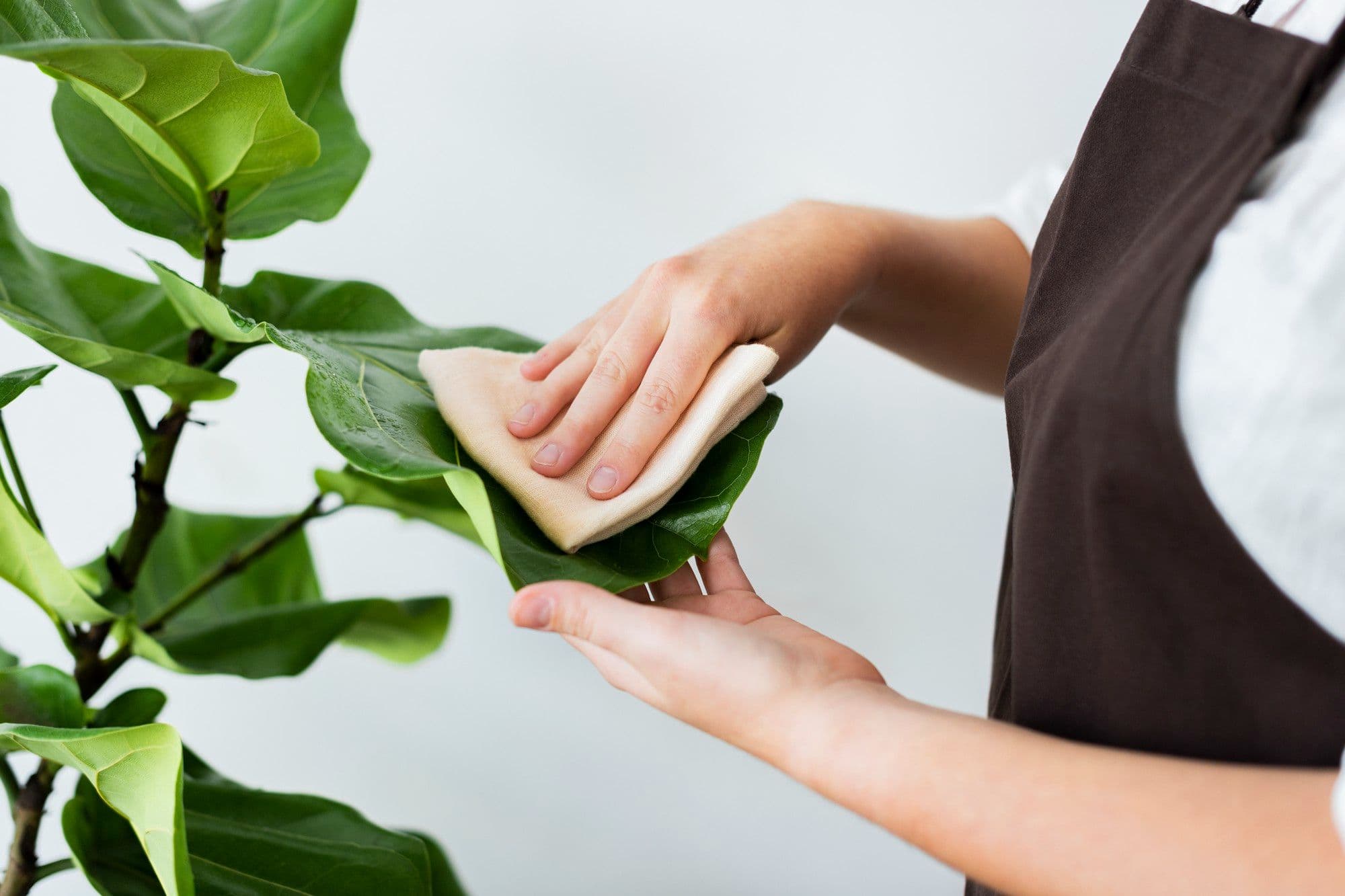
Dusty leaves look dull and don't absorb light well. Below, you'll find simple ways to clean them, which tools are truly effective, how often you should do it, and what causes damage.

Beginner Guides
How to Clean Plant Leaves: A Simple Care Guide
Best Time to Water Grass in Summer – Lawn Watering Tips

5 min read · 21 Jul 2026

Best Time to Water Grass in Summer – Lawn Watering Tips

Summer watering is easy to get wrong. This guide explains when to turn on your sprinkler, how much liquid your grass needs each week, and how to tell if you're overwatering or underwatering.

Plant Care
Best Time to Water Grass in Summer – Lawn Watering Tips
How to Increase Humidity for Plants – 8 Simple Ways That Work

8 min read · 14 Aug 2026

How to Increase Humidity for Plants – 8 Simple Ways That Work

Dry indoor air stresses a lot of houseplants. You usually notice it first in the browning leaf tips. This guide describes 8 simple ways to raise the moisture around your plants, from humidifiers to pebble trays.

Plant Care
How to Increase Humidity for Plants – 8 Simple Ways That Work