

mayapple Identification (Podophyllum peltatum)

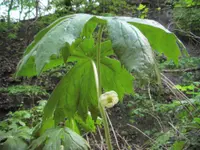
Recognize mayapple by its umbrella-like leaves on single, unbranched stems, usually 12 to 18 inches tall (30 to 45 cm). Each stem bears one or two round leaves, each deeply divided into 5 to 9 broad lobes.

A solitary white flower hangs from the fork where two leaves meet, often hidden beneath the leaf canopy.

Podophyllum peltatum Identification

Is This mayapple?

Upload a plant photo and check the identification in seconds.

Clear images work best. Avoid photos taken too close or too far away

  • 1 free identification
  • No sign-up
  • 30,000+ plants in database

Check for Podophyllum peltatum’s low, umbrella-like leaves on separate upright stalks.

  • Each leaf is round in outline, 8-18 inches (20-45 cm) wide, with deep lobes radiating from the center.
  • Plants usually stand 12-18 inches (30-45 cm) tall and form loose patches rather than a woody clump.
  • A single white flower hangs where the forked stalk splits beneath the leaves; it has 6-9 petals.
  • The fruit is an egg-shaped yellow berry, held below the leaves and partly hidden by them.

If flowers or fruit are hidden, the paired stalked leaves and central lobing are the fastest visual clues.

Podophyllum peltatum shows clear stage-based visual shifts in leaf number, flower position, and fruit.

  • Young plant: Nonflowering shoots bear a single umbrella-like leaf on one unbranched stem, so the plant looks simpler and more upright than fertile stems.
  • Mature plant: Fertile shoots usually divide into two leaves at the top, forming a broader, forked outline about 12-18 inches (30-45 cm) tall.
  • Flowering stage: A nodding white flower appears in the fork between the two leaves, partly hidden beneath them rather than held above the foliage.
  • Fruiting stage: After flowering, the hidden bloom is replaced by a single ovoid berry, creating a distinct fruiting center between the paired leaves.

In spring, mayapple emerges as paired umbrella-like leaves that quickly unfold into broad, flat canopies. A single nodding white flower is often hidden beneath the fork between the leaves. By early summer, the flower gives way to an egg-shaped yellow fruit. After fruiting, the plant collapses and disappears by late summer, leaving no upright stems above ground.

A few woodland plants can be mistaken for mayapple at a glance.

umbrella leaf(Diphylleia cymosa)

Both have broad, umbrella-like leaves on separate stems. Umbrella leaf usually has two large leaves per stem and clusters of small white flowers above the leaves. Podophyllum peltatum typically has one or two deeply lobed leaves and a single white flower hidden in the fork.

Asian mayapple(Podophyllum pleianthum)

This is a close relative with similarly bold, peltate leaves, so confusion is realistic. It differs by having darker, often mottled leaves and several deep red to maroon flowers hanging beneath the leaf, rather than one white flower.

Podophyllum peltatum is native to eastern North America, from southeastern Canada through the eastern and central United States. Its range is broad, but it is most often associated with deciduous forest regions rather than open country. In the wild, it grows in rich woodland understories, shaded floodplains, and moist forest floors, often forming colonies. Finding it in spring in a shady hardwood woodland helps narrow identification, especially when a patch appears beneath leafless or newly leafing trees.

  • Toxic plant parts: Podophyllum peltatum is poisonous to humans and pets if eaten. The leaves, roots, and unripe fruit contain podophyllotoxin and related compounds; ingestion can cause serious poisoning.
  • Ripe fruit exception: The fully ripe yellow fruit pulp is often described separately from the toxic parts, but seeds and other plant parts are not considered safe. Misjudging ripeness creates an ingestion risk for both people and pets.

Confirm the Species with Botan

Upload a photo to compare key features and help identify the plant or confirm whether your original ID is correct.

FAQ

The most reliable trait is the umbrella-like leaf structure. Each smooth leaf is round to shallowly lobed with the stem attached near the center, a peltate attachment that is central to Podophyllum peltatum identification.

More Plant Identification Guides

Identify the Plant and Get Its Profile

Upload a photo to identify it, then review plant details, care information, and common problems matched to the result.

Botan app identifying a plant from a photo
Best Time to Plant Grass Seed: When to Seed Your Lawn

6 min read · 19 Nov 2026

Best Time to Plant Grass Seed: When to Seed Your Lawn

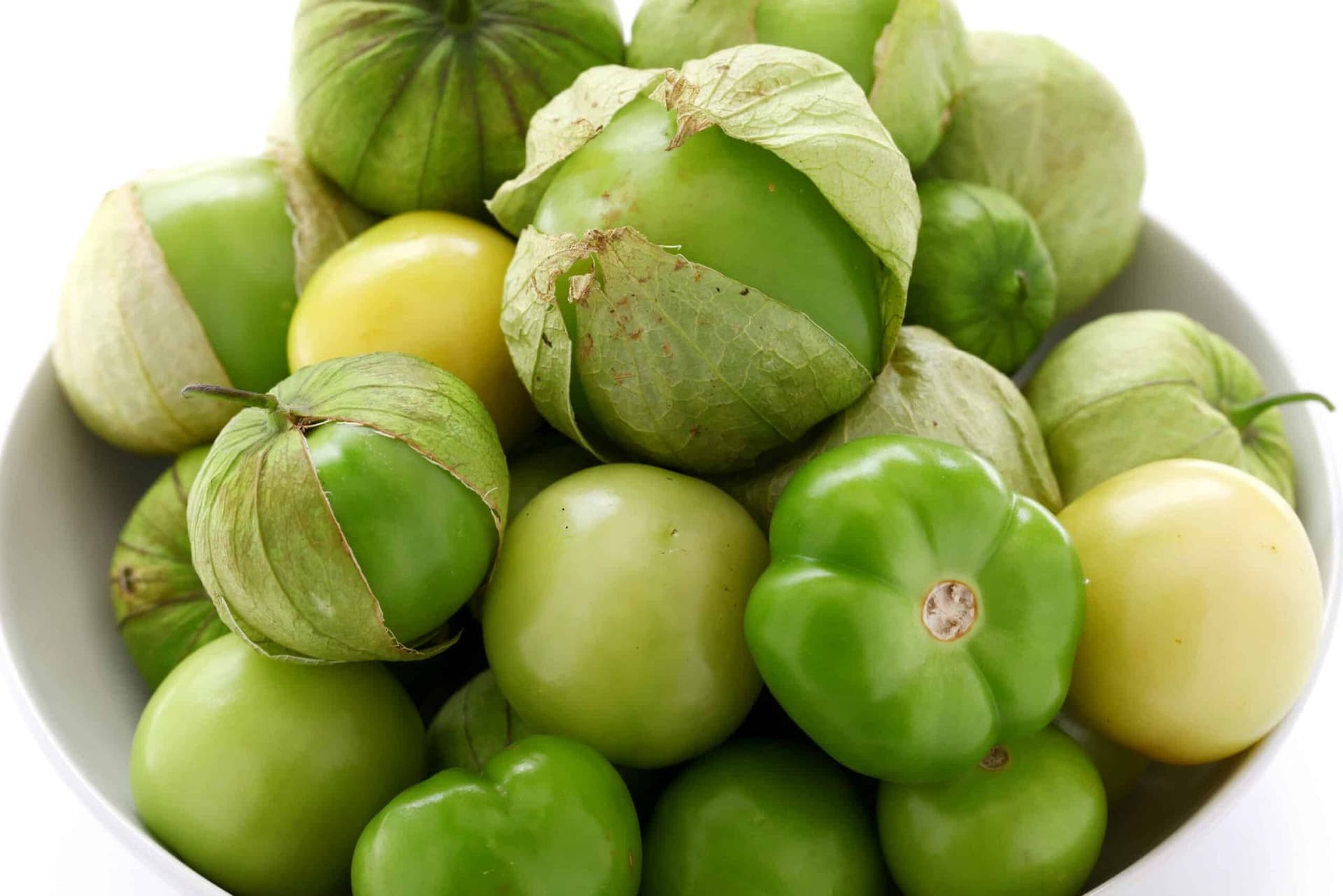
The best time to plant grass seed depends on your climate and grass type. Cool-season lawns establish best in late summer or early fall, while warm-season grasses perform best once soil warms in late spring or early summer.

Plant Care
Best Time to Plant Grass Seed: When to Seed Your Lawn
When to Harvest Tomatillos: How to Tell When They're Ripe

4 min read · 20 Oct 2026

When to Harvest Tomatillos: How to Tell When They're Ripe

Tomatillos grow inside papery husks, making it hard to judge ripeness at a glance. This guide explains how to know when tomatillos are ripe and offers practical advice on harvesting and storage.

Plant Recommendations
When to Harvest Tomatillos: How to Tell When They're Ripe
Plants That Repel Bugs – 20 Effective Options

12 min read · 16 Jul 2026

Plants That Repel Bugs – 20 Effective Options

Mosquitoes on the patio? Gnats in the kitchen? Some plants keep them away with the scent of their own leaves. Here are 20 that deal with mosquitoes, flies, aphids, and more, plus where to put them so they help.

Plant Recommendations
Plants That Repel Bugs – 20 Effective Options