Orchid Primrose Care (Primula vialii)

Orchid Primrose

About Orchid Primrose

Orchid primrose, Primula vialii, is a compact, clump-forming perennial grown mainly for its striking flower spikes. It belongs to the primrose family and is valued as a moisture-loving garden plant rather than a houseplant.

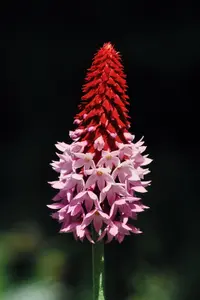
The plant produces rosettes of fresh green leaves and upright, poker-shaped flower spikes that open from the base upward, shifting from reddish buds to softer pastel tones. This gives a strong vertical accent in borders and damp areas.

Primula vialii occurs naturally in mountain meadows and moist slopes of southwestern China, where summers are cool and soils stay evenly damp. In cultivation it prefers cool conditions, consistent moisture, and humus-rich, well-drained soil.

Its need for steady moisture and dislike of hot, dry conditions makes it moderately challenging in warm climates, so planning site and watering is important to care for Orchid Primrose.

Main Plant Requirements

Care Difficulty

Moderate Care

Light Preference

Partial Shade

Water Requirements

Keep Soil Moist

Temperature Preference

Cool Climate

Hardiness Zone

5–8

Soil Texture

Loamy, Silty, Organic-rich

Soil pH

Acidic (5.5–6.5), Slightly acidic (6.5–7.0)

Soil Drainage

Moist but well-drained

Fertilization

Light (every 4–6 weeks)

Get Personalized Care Plan

Scan your plant to receive care tips personalized for your specific plant

Available on iOS and Android

How to Care for the Orchid Primrose

Primula vialii prefers cool, bright conditions with gentle sun and protection from harsh heat.

  • Provide 3–4 hours of soft morning sun with light or dappled shade the rest of the day, especially in summer.
  • In hot climates, choose a site with filtered light or partial shade to prevent leaf scorch and drying flower spikes.
  • In cooler regions, slightly more direct sun is acceptable, but avoid strong midday and afternoon sun to reduce stress and wilting in Orchid Primrose.

This primula needs consistently moist, cool soil without becoming waterlogged.

  • Water when the top 2–3 cm of soil feels slightly dry, aiming to keep the root zone evenly moist during active growth.
  • Use rich, humus-based soil with good drainage; soggy conditions cause yellowing leaves, limp growth, and potential root rot in Primula vialii.
  • In cooler or rainy seasons, reduce frequency but still prevent complete drying; wilting, crisp leaf edges, and slow recovery after watering indicate underwatering.

This species prefers cool conditions and does best when protected from temperature extremes.

  • Aim for 55–70°F (13–21°C) during the growing season, which supports strong foliage and flower spike development.
  • The plant tolerates light frost down to about 25°F (−4°C), but repeated hard freezes or freeze–thaw cycles can damage crowns.
  • In hot summers above 80°F (27°C), provide extra shade and moisture; prolonged heat above 86°F (30°C) can cause stress, reduced flowering, and early dieback.

This species prefers consistently moist air and benefits from moderate humidity management, especially in heated homes.

  • Aim for 50–70% humidity to reduce leaf stress and extend flowering in Orchid Primrose.
  • Tolerates brief drier air, but edges may brown and buds may abort if humidity stays low.
  • Increase humidity with a pebble tray under the pot or by grouping plants, avoiding misting directly onto flower spikes.

This plant needs moist, airy soil that drains freely yet never dries out completely.

  • Use a loamy, organic-rich mix, such as 2 parts compost, 1 part garden loam, and 1 part fine grit or perlite.
  • Ensure drainage is free-flowing so water moves through the profile without pooling around the crown.
  • Aim for slightly acidic to neutral soil (pH 6.0–7.0) to support nutrient uptake in Primula vialii.
  • Avoid heavy clay or compacted mixes; lighten dense soil with compost and coarse sand to improve aeration.

This species grows well in containers when moisture and stability are managed carefully.

  • Choose a wide, moderately deep pot to allow a shallow, spreading root system without crowding the crown against the rim.
  • Select heavier materials like ceramic to prevent tipping when tall flower spikes develop.
  • Use a saucer only for catching runoff and empty it promptly so the pot base does not stand in water.

Primula vialii benefits from modest, consistent feeding during its active growing season.

  • Use a balanced, water-soluble fertilizer (for example 10-10-10) at 1/2 strength every 2–3 weeks from early spring to mid-summer.
  • Alternatively, apply a thin layer of fine garden compost around the clump in spring to support flowering in Orchid Primrose.
  • Avoid high-nitrogen lawn products, which encourage soft, leafy growth at the expense of flower spikes.
  • Stop feeding by late summer and do not fertilize during winter dormancy to prevent weak, frost-tender growth.

Primula vialii needs only light, targeted pruning to stay tidy and flower well.

  • Deadhead spent flower spikes in summer by cutting them at the base to encourage a neater clump and sometimes a light rebloom.
  • Remove yellowing, dead, or damaged leaves at any time, using clean scissors or hand pruners to limit disease spread.
  • Thin out congested foliage after flowering to improve air movement and reduce fungal problems in damp conditions.
  • Avoid cutting healthy leaves hard in autumn, as they help maintain plant vigor going into winter.

This primula is usually grown in the ground, but container plants or crowded clumps benefit from periodic transplanting.

  • Look for roots circling the pot drainage holes, drying out very fast, or noticeably reduced growth as signs it needs more space.
  • Transplant or divide clumps in early spring or just after flowering, roughly every 3–4 years, choosing a cool, cloudy day.
  • Lift plants with a fork, keep as much soil around the roots as possible, and replant at the same depth in moist, fertile soil.
  • Water thoroughly after transplanting, then keep soil evenly moist and shaded for 1–2 weeks to reduce root stress and improve establishment.

Primula vialii is commonly propagated by division or seed under cool, moist conditions.

  • Divide mature clumps in early spring, gently pulling apart natural offsets and replanting them immediately into rich, moist soil.
  • Sow fresh seed in late summer to early autumn in trays with fine, well-drained mix, kept evenly moist and cool (50–60°F).
  • Provide bright, indirect light and protect seed trays from drying winds; germination may be slow and uneven.
  • Thin or prick out seedlings once they have several true leaves, then harden off gradually before planting into the garden.

Primula vialii is fairly hardy but benefits from some root protection in colder climates.

  • Plants tolerate light to moderate frosts, but prolonged freezes below about 10–15°F can damage crowns, especially in wet soil.
  • Apply a 5–8 cm layer of leaf mold or bark mulch around the root zone in late autumn, keeping it just clear of the crown.
  • In very cold or exposed sites, add a light straw or fleece cover over the clump during severe freezes, removing it in milder spells.
  • Move container-grown plants into a sheltered, unheated but frost-sheltered spot and keep the compost only slightly moist.

Care Tips

Mulch For Coolness

Apply a 3–5 cm layer of fine bark or leaf mold around the crowns in late spring to keep roots cool, conserve moisture, and reduce weed competition without burying the growing points.

Moisture-Friendly Companions

Plant near other moisture-loving perennials like astilbe or hosta to create a consistently damp microclimate that helps prevent stress during warm, dry spells when growing Orchid Primrose.

Divide To Rejuvenate

Lift and divide clumps every 2–3 years in early spring, replanting only the healthiest outer sections so flowering remains strong and plants do not become congested or prone to rot.

Summer Shade Cloth

In hotter regions, use 30–40% shade cloth or plant on the east side of a structure to shield plants from intense afternoon sun and reduce heat stress during peak summer.

Winter Drainage Checks

Before winter rains, improve drainage by lightly raising planting areas or adding shallow channels so water does not pool around crowns, which reduces the risk of cold-season crown rot.

Common Pests and Diseases

Vine weevil

This pest attacks roots and crowns, causing sudden wilting and collapse, especially in potted or moist, shaded plantings.

Solution

Inspect plants regularly in spring and summer, hand-pick adult beetles at night, and replace heavily infested potting mix; use biological control nematodes targeting vine weevil larvae in moist soil and keep plants well-watered but not waterlogged to reduce stress.

Primula leaf spot

This disease causes tan to brown spots on leaves that can merge into larger dead patches, making foliage look scorched and untidy.

Solution

Remove and discard affected leaves promptly, avoid overhead watering, water at soil level in the morning, and improve spacing and airflow; in damp climates or recurring cases, apply a primula-safe fungicide according to label directions as part of broader Primula vialii care instructions.

Botrytis blight

This disease produces soft, water-soaked areas on leaves and flower spikes that develop gray fuzzy mold in cool, humid conditions.

Solution

Cut off and dispose of all infected tissues, avoid wetting foliage, thin crowded plants for better air movement, and reduce humidity around the plant; in persistent outbreaks, use a suitable ornamental fungicide and keep dead flowers and debris cleared from the crown area.

Aphids

These insects feed on young growth and flower spikes, causing distortion, sticky honeydew, and sometimes sooty mold on leaves.

Solution

Wash colonies off with a firm stream of water, pinch off heavily infested soft tips, and encourage or introduce natural predators such as ladybird larvae; if needed, apply insecticidal soap or a horticultural oil spray, coating all leaf surfaces and repeating as the label recommends.

Powdery mildew

This disease appears as white, dusty patches on leaves and stems, which can cause yellowing and early leaf drop in crowded or shaded sites.

Solution

Improve light, airflow, and plant spacing, avoid high-nitrogen fertilization, and water the soil rather than the foliage; remove badly affected leaves and, if the problem persists, use a labeled fungicidal spray for ornamentals, applying at the first sign of infection.

Interesting Facts

Distinctive rocket flower spikes

This species produces flower spikes that open from top to bottom, starting as tight, purple buds and revealing red lower flowers, giving a two-toned, rocket-like appearance uncommon among primulas.

Alpine wet meadow native

It is naturally found in damp alpine meadows and stream edges in southwest China, particularly Yunnan and Sichuan, where it grows in cool summers and consistently moist, humus-rich soils.

Short-lived yet persistent

Although often short-lived as an individual plant, it persists in suitable sites by self-seeding, gradually forming naturalistic drifts around moist borders and pond margins when conditions are stable.

Botan icon

Did you know?

Primula vialii was introduced to European horticulture in the early 20th century from plant collections in western China and was named in honor of the Italian-born missionary and plant collector P. Vial, reflecting its origin in the classic era of alpine plant exploration.

FAQs about Orchid Primrose

Lack of flowers usually comes from too much heat, insufficient winter chill, or soil that is too dry during bud formation. Crowded clumps also reduce flowering; dividing and replanting every few years often restores bloom strength.

Grow Healthy Plants with Botan Care

Keep your plants happy and healthy with plant identification, disease detection, and easy care guidance.

Botan plant care app — identify plants on mobile

Explore More Plants