deceiver Care (Laccaria laccata)

Also known as: lackluster laccaria, waxy laccaria
deceiver

About deceiver

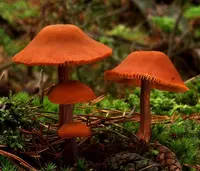
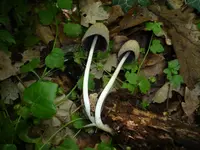
The deceiver, Laccaria laccata, is a small woodland mushroom, not a green plant. It grows from soil rather than producing stems and leaves. Caps are usually pale pinkish to tan with slender, fibrous stems, and they can change color with moisture, which makes identification harder. This variable look is the reason for the common name.

Laccaria laccata is widely distributed in temperate regions and often appears in lawns, gardens, and forest edges, usually near trees. It forms mycorrhiza, a symbiotic root partnership, which makes it dependent on suitable host trees. For anyone learning how to care for deceiver, it is usually left to grow naturally in lightly shaded, undisturbed, moist but well-drained soil.


Main Plant Requirements

Care Difficulty

Moderate Care

Light Preference

Partial Shade

Water Requirements

Regular Water

Temperature Preference

Cool Climate

Hardiness Zone

3–9

Soil Texture

Loamy, Silty, Organic-rich

Soil pH

Acidic (5.5–6.5), Slightly acidic (6.5–7.0)

Soil Drainage

Moist but well-drained

Fertilization

Minimal (feed rarely)

Get Personalized Care Plan

Scan your plant to receive care tips personalized for your specific plant

Available on iOS and Android

How to Care for the deceiver

This woodland fungus thrives in soft, forest light rather than direct, open sun.

  • Provide dappled or filtered light under trees, similar to a deciduous woodland floor receiving 1–3 hours of gentle morning sun.
  • Accepts partial to full shade; strong midday or afternoon sun can dry the substrate quickly and damage the delicate fruiting bodies of the deceiver.
  • In summer, favor shadier, cooler spots; in spring and fall, slightly brighter but still filtered light supports reliable fruiting.

This fungus depends on consistently moist, but not waterlogged, soil around its tree partners.

  • Aim for soil that stays evenly moist; if the top 2–3 cm feel dry and loose, recent conditions have likely been too dry for reliable fruiting.
  • Ensure free-draining, humus-rich soil so rainfall can pass through; standing water or sour, swampy smells signal poor drainage and excess moisture.
  • During hot, dry periods, lack of visible fruiting bodies and very crumbly surface litter indicate underwatering conditions for Laccaria laccata, while slimy caps can suggest prolonged saturation.

This species prefers cool to mild conditions typical of temperate woodlands.

  • Optimal fruiting often occurs around 50–68°F (10–20°C), with mycelium growth continuing slowly a bit above and below this range.
  • Tolerates cool weather down to about 32°F (0°C); hard, prolonged freezes below this can limit above-ground fruiting until conditions warm.
  • Heat above roughly 77–82°F (25–28°C), especially with dry air and soil, shortens cap lifespan and may pause fruiting until cooler, moister weather returns.

This fungus does not require managed air humidity for cultivation and is typically grown outdoors in natural conditions.

Laccaria laccata needs moist, loose, organic-rich ground that mimics a forest floor rather than conventional potting soil.

  • Use a mix of leaf litter, well-rotted wood chips, and coarse sand to create a loose, humus-rich substrate.
  • Ensure the substrate drains freely yet stays evenly moist, avoiding standing water or compaction.
  • Aim for slightly acidic to neutral pH around 5.5–7.0, similar to many woodland soils.
  • Avoid heavily fertilized, clay-heavy, or peat-only substrates, which disrupt the mycorrhizal association this species forms with tree roots.

This mycorrhizal fungus is not suitable for conventional container growing because it relies on association with living tree roots in the ground.

This mycorrhizal fungus relies on its tree partners and usually does not need fertilization in natural or garden soils.

Laccaria laccata does not require pruning, since mushroom fruiting bodies are temporary structures, not long-lived stems or foliage.

This fungus is rarely grown in containers; management focuses on where its tree hosts are planted rather than on moving the organism itself.

  • Transplant or plant compatible host trees (often pines, birch, or other forest species) in fall or early spring, when temperatures are mild.
  • Avoid frequent moving of host trees; the fungal mycelium forms fine root associations that are easily disturbed.
  • If a potted tree with inoculated Laccaria laccata must be shifted, move it up only 1 pot size and keep the root ball intact.
  • Water gently after transplanting to settle soil around roots, then maintain even moisture to reduce stress on the mycorrhizal partnership.

Practical propagation focuses on spreading spores or inoculating host tree roots rather than treating this fungus like a typical garden plant.

  • Collect mature caps and place them gill-side down on moist, organic-rich soil near suitable host tree roots in fall.
  • Leave caps in place for 24–48 hours so spores can disperse, then lightly cover with leaf litter to maintain humidity.
  • Maintain consistently moist, not waterlogged, soil and avoid fungicides, which interfere with spore germination and root colonization.
  • Allow 1–3 seasons for successful colonization and fruiting, since mycorrhizal networks establish slowly under stable soil conditions.

This wild, cold-hardy species usually needs no special winter care in the ground across typical temperate climates.

Care Tips

Substrate inoculation

To establish a stable colony, mix a small amount of fresh woodland leaf litter and fine roots from under compatible host trees into your cultivation bed, as this introduces native mycorrhizal partners and microbes that support growing deceiver.

Host tree pairing

Select and maintain suitable host trees such as birch, oak, or pine nearby, since this fungus is mycorrhizal and fruits more reliably when roots of compatible trees are dense and undisturbed in the upper 10–20 cm of soil.

Moisture buffering layer

Apply a loose layer of shredded leaves or partially decomposed wood chips over the colonized area to reduce surface drying and temperature swings, but keep the layer thin enough (1–3 cm) so fruiting bodies can emerge easily.

Gentle harvest technique

When picking, hold the stem at the base and twist gently instead of pulling, then cover the small hole with surrounding leaf litter to protect the mycelium network and help maintain local moisture.

Fruiting zone mapping

Flag or discreetly mark spots where mushrooms appear over several seasons and avoid digging, compacting, or trenching in these zones, since repeated disturbance can break the fine mycorrhizal roots that trigger future fruiting.

Common Pests and Diseases

Parasitic bolete

This disease is caused by the parasitic bolete Pseudoboletus parasiticus, which can develop on or near fruiting bodies and weaken them. Symptoms include distorted, stunted, or deformed caps growing beside yellow-brown bolete mushrooms.

Solution

Remove and discard any affected mushrooms together with the attached parasitic boletes, then avoid disturbing the surrounding soil to protect the mycelium. In managed settings, reduce dense leaf litter right around fruiting spots to limit prolonged surface moisture that favors secondary fungal parasites.

Slugs and snails

These pests feed on the soft fruiting bodies, leaving irregular holes, slime trails, and partially eaten caps, especially in damp conditions. This pest can significantly reduce the number of intact mushrooms available for observation or study.

Solution

Hand-pick slugs and snails at dusk or after rain and relocate them away from the area. Use physical barriers such as copper tape around small cultivated plots or coarse grit around fruiting patches, and avoid overwatering to reduce constantly wet surfaces that attract these mollusks.

Springtails

These insects are tiny soil-dwelling arthropods that can cluster on moist caps and gills, rasping at tissue and accelerating decay. Symptoms include speckled surface damage and small jumping insects visible when the mushrooms are disturbed.

Solution

Improve surface drainage and ventilation around fruiting patches so caps dry more quickly after rain or watering. If growing deceiver in a controlled bed or container, briefly flood the surface with clean water to dislodge springtails, then let the substrate drain thoroughly.

Fungus gnats

These insects lay eggs in moist organic substrates, and the larvae can tunnel through young fruiting bodies and surrounding mycelium. Symptoms include collapsed immature mushrooms and fine larvae visible in or near damaged tissue.

Solution

Allow the upper layer of the substrate to dry slightly between waterings in any cultivated setup, and use fine mesh covers over small beds to reduce adult access. Sticky traps placed just above the substrate help monitor and reduce adult gnat populations without disturbing the mycelium.

Interesting Facts

Remarkably variable color

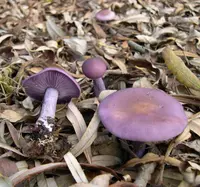
The deceiver mushroom is known for its highly variable cap color, which can shift from pale buff to pinkish, orange-brown, or almost dull brown as it ages or dries, making field identification more difficult than for many other common fungi.

Symbiosis with trees

This species forms ectomycorrhizal associations with the roots of many broadleaf and conifer trees, helping them absorb water and minerals from the soil while receiving sugars produced by photosynthesis in return.

Tough, fibrous flesh

The fruiting bodies have relatively tough, fibrous flesh compared with many small woodland mushrooms, which allows caps and stems to persist for some time even in changing moisture conditions on the forest floor.

Botan icon

Did you know?

This species often appears in nutrient-poor or disturbed soils, and its widespread presence is used by some field mycologists as a rough visual indicator of ectomycorrhizal fungal activity and developing woodland soil health in an area.

FAQs about deceiver

This species is considered an edible mushroom in many field guides, but it is easily confused with toxic look‑alikes. Only experienced foragers should eat it, and local expert confirmation is strongly recommended before any consumption.

Grow Healthy Plants with Botan Care

Keep your plants happy and healthy with plant identification, disease detection, and easy care guidance.

Botan plant care app — identify plants on mobile

Explore More Plants