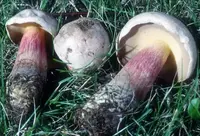
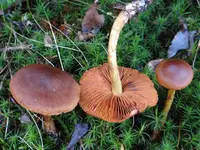
orange webcap Care (Cortinarius mucosus)

orange webcap

About orange webcap

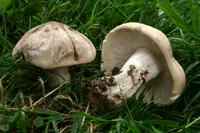
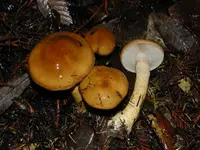
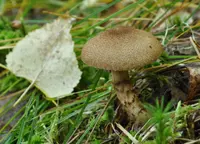
The orange webcap, Cortinarius mucosus, is a woodland mushroom rather than a traditional houseplant. It forms slimy, orange-brown caps with slender stems and fine web-like veils under the cap. This fungus typically appears on the forest floor of coniferous and mixed woods in Europe and parts of North America, often in mossy or needle-covered soils.

It grows in association with tree roots, so it cannot be maintained like a normal potted plant. Because of this complex relationship and potential toxicity, attempts to care for orange webcap at home are not recommended.

Main Plant Requirements

Care Difficulty

Hard Care

Light Preference

Partial Shade

Water Requirements

Keep Soil Moist

Temperature Preference

Cool Climate

Hardiness Zone

Unknown

Soil Texture

Loamy, Sandy, Organic-rich

Soil pH

Acidic (5.5–6.5)

Soil Drainage

Moist but well-drained

Fertilization

Minimal (feed rarely)

Get Personalized Care Plan

Scan your plant to receive care tips personalized for your specific plant

Available on iOS and Android

How to Care for the orange webcap

This forest-dwelling fungus prefers cool, shaded conditions that mimic coniferous woodland floors.

  • Provide dappled or filtered light under trees, avoiding direct midday sun; brief early-morning or late-afternoon sun is tolerated in cool, moist sites.
  • Aim for conditions equivalent to dense partial shade, with less than 2–3 hours of weak, low-angle sunlight per day reaching the fruiting area.
  • Protect orange webcap from intense summer sun, which dries the soil surface and leaf litter, reducing humidity and suppressing mushroom formation.

This mycorrhizal fungus relies on consistently moist, not waterlogged, forest soil to fruit well.

  • Maintain evenly moist mineral soil and leaf litter; the top 2–3 cm should feel damp but not soggy when pressed between fingers.
  • Increase moisture input in dry periods by gentle overhead watering or soaker hoses, then allow the upper layer to approach just-moist before watering again.
  • Reduce added water in cool, rainy seasons; persistent standing water, sulfurous smell, or surface slime indicate excess moisture harmful to Cortinarius mucosus.

This species fruits best in cool to mild conditions typical of temperate conifer forests.

  • Support optimal fruiting at roughly 50–65°F (10–18°C), common in early autumn under spruce or pine canopies.
  • Expect reduced activity above 70°F (21°C); prolonged heat over 80°F (27°C) combined with dry soil strongly limits mushroom formation.
  • Protect habitat from hard frost below 28°F (-2°C) during active fruiting; the underground mycelium tolerates winter cold, but sudden freeze-thaw can damage emerging caps.

This ectomycorrhizal fungus requires consistently moist, high-humidity forest conditions and does not adapt to dry indoor air.

  • Target 70–90% humidity, mimicking damp coniferous forest air rather than typical indoor room conditions.
  • Dry air causes caps and veils to shrivel, discolor quickly, and stop developing fruiting bodies.
  • Increase humidity outdoors by maintaining a thick leaf-litter layer that traps moisture around the orange webcap’s mycelium.

This fungus depends on natural forest soil rather than a conventional potting mix and should be established in the ground near host trees.

  • Select a moist, well-drained, organic-rich loamy soil typically found under pines or other conifers where Cortinarius mucosus naturally associates.
  • Aim for slightly acidic conditions, roughly pH 4.5–6.0, as more alkaline or limed soils reduce mycelial activity and fruiting.
  • Inoculate areas with a mix of native forest duff, well-rotted leaf litter, and conifer needles to provide structure, nutrients, and compatible microorganisms.
  • Avoid compacted, waterlogged, or heavily fertilized garden beds, which limit aeration, disrupt fungal partners, and can prevent mushroom formation.

This woodland ectomycorrhizal species is not suitable for container growing because it relies on complex root and soil relationships found only in the ground.

This mycorrhizal fungus grows with host tree roots and does not benefit from typical home fertilization, so added nutrients are usually unnecessary.

Cortinarius mucosus is a wild mycorrhizal mushroom and is not managed through pruning in the way garden plants are.

This forest-dwelling fungus is not suited to normal repotting, since it relies on a stable mycorrhizal partnership with host trees.

  • Transplanting attempts usually fail because its fine fungal threads are tightly integrated with tree roots and surrounding soil microbes.
  • If relocation is essential for research or conservation, move an intact soil block containing both roots and fungal tissue.
  • Carry out any move during cool, moist weather to reduce stress and drying of the fungal network.
  • Keep disturbance minimal and avoid breaking apart the root–soil mass to maintain the symbiotic structure.

Reproducing Cortinarius mucosus in home or garden conditions is not practical, since it depends on complex symbiosis with specific tree hosts and soil life.

This forest mushroom is naturally cold hardy in its native range and does not need targeted winter care from gardeners.

Care Tips

Establish mycorrhizal host

Plant or maintain compatible host trees such as pine or spruce nearby, as this fungus relies on forming ectomycorrhiza on their roots rather than growing in isolated beds or containers.

Minimize soil disturbance

Avoid deep digging, rototilling, or frequent raking in the colonized area so the underground mycelium network and fine tree roots remain intact and productive.

Use low-impact mulching

Apply a thin, loose layer of untreated softwood chips or pine needles, keeping it 2–3 cm deep, to help retain moisture and support natural litter conditions without smothering fruiting bodies.

Control foot traffic

Mark and restrict walking directly over fruiting zones to reduce soil compaction, which can damage mycelium and reduce the number of mushrooms produced over time.

Monitor site chemistry

If possible, check that soil stays slightly acidic and avoid adding lime, ash, or high-salt fertilizers near the host trees, as this can disrupt the fungus–root partnership and complicate caring for orange webcap in one location long term.

Common Pests and Diseases

Fungal mycoparasites

This disease involves other fungi parasitizing the fruiting body, often producing cottony, powdery, or differently colored growth over the cap or stem. Symptoms include distorted, weakened, or partially overgrown mushrooms that decay faster than normal.

Solution

Remove and discard affected fruiting bodies promptly and avoid disturbing the area to limit spread of spores. Reduce excessive surface moisture by improving air circulation around the fruiting area and avoid heavy overhead watering in cultivation setups.

Mold colonization

This disease is caused by opportunistic molds such as Trichoderma or Penicillium establishing on the cap slime layer and gills. Symptoms include green, blue, or white fuzzy patches that overgrow tissue and stop normal spore release.

Solution

Discard any mushrooms showing mold and avoid harvesting or consuming them. In controlled culture conditions, lower humidity slightly, increase fresh air exchange, and remove any heavily contaminated substrate to prevent further spread.

Slug and snail grazing

These pests feed on the soft caps and stems, leaving irregular holes, shredded edges, and slime trails on and around the fruiting bodies. This pest pressure often destroys young mushrooms before they expand fully.

Solution

Hand-pick slugs and snails during cool, damp periods and use barriers such as copper tape or sharp mineral grits around cultivation beds. Reduce dense ground cover and debris where they hide, and use shallow beer or yeast traps at the perimeter if damage is severe.

Fungus gnat larvae

These insects lay eggs in moist organic matter, and the larvae tunnel through developing mushroom tissue and nearby substrate. Symptoms include soft, water-soaked areas, internal galleries, and small exit holes in caps and stems.

Solution

Use yellow sticky traps above the fruiting area to reduce adult populations and allow the surface to dry slightly between mistings without letting the mycelium desiccate. In controlled culture, cover vents with fine mesh and consider using a biological control such as Bacillus thuringiensis israelensis in the surrounding substrate, following label directions carefully.

Interesting Facts

Slimy cap adaptation

The cap surface is covered in a thick, slimy layer when moist, which helps protect the fruiting body from desiccation and may reduce insect damage by making the surface difficult to grip.

Pine forest specialist

This species forms ectomycorrhizal partnerships with pine trees, exchanging mineral nutrients such as phosphorus for sugars produced by the host, and is most often found in coniferous, especially pine-dominated, forests of northern and central Europe.

Distinctive orange veil

Young fruiting bodies show a bright orange cortina, a cobweb-like partial veil that stretches between cap and stem; as the mushroom matures, this veil collapses and can leave rusty-orange deposits on the stem from falling spores.

FAQs about orange webcap

This mushroom is considered poisonous or at least strongly suspect. Some related Cortinarius species cause severe, delayed kidney damage. Identification in this genus is difficult, so it should never be eaten or offered as food.

Grow Healthy Plants with Botan Care

Keep your plants happy and healthy with plant identification, disease detection, and easy care guidance.

Botan plant care app — identify plants on mobile

Explore More Plants