Mulch Cooling Ring
Apply a 5–8 cm ring of shredded bark mulch around the root zone each spring, keeping it 5–8 cm away from the trunk to keep roots cool, conserve moisture, and reduce soil temperature stress in warm spells.

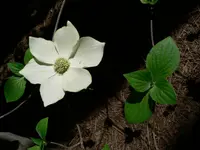
Pacific dogwood, Cornus nuttallii, is a small deciduous tree native to the Pacific Northwest of North America. It typically forms an upright, graceful canopy with strong seasonal interest.
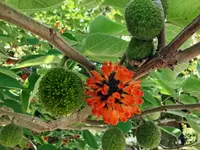
Showy white bracts surround its true flowers in spring, followed by clusters of red fruits and attractive fall color. The bark and branching give it a refined look even in winter.
This species prefers cool summers, consistent moisture, and well-drained, humus-rich soil, and it resents hot, dry, or polluted sites. These traits make it somewhat challenging if you want to learn how to care for Pacific dogwood outside its native range.

Care Difficulty
Hard Care

Light Preference
Partial Shade

Water Requirements
Regular Water

Temperature Preference
Cold Hardy

Hardiness Zone
6–8

Soil Texture
Loamy, Sandy, Organic-rich

Soil pH
Acidic (5.5–6.5), Slightly acidic (6.5–7.0)

Soil Drainage
Moist but well-drained

Fertilization
Minimal (feed rarely)
Scan your plant to receive care tips personalized for your specific plant
Available on iOS and Android
This deciduous tree thrives in bright, gentle light similar to an open woodland edge.
This species prefers consistently moist, cool soil that never becomes waterlogged.
This tree is adapted to mild, maritime climates with cool summers and relatively gentle winters.
This species tolerates a broad humidity range but benefits from slightly moist air in hot, dry periods.
This tree performs best in deep, cool, moist but well-drained soil with a high organic content.
This species is generally unsuited to long-term container growing and is better established in the ground.
This native tree generally needs modest feeding, especially when grown in nutrient-poor soils.
Pruning Cornus nuttallii should remain light and focused on plant health rather than heavy shaping.
This species is usually grown in the ground, so care focuses on proper transplanting of young trees.
Propagation of Cornus nuttallii is possible but slow and often challenging for home growers.
This deciduous tree is cold hardy in much of its range and usually needs minimal winter attention.

Plant Health Check
Not sure what's wrong with your plant? Check your plant's health inside the app.
This species is native to the Pacific coast of North America from British Columbia to California, where it naturally grows as an understory or forest edge tree in cool, moist, mixed conifer and hardwood forests.
The large white structures often called flowers are actually bracts, which surround a tight cluster of many small, true flowers that provide nectar and pollen for insects.
This species is notably susceptible to dogwood anthracnose caused by the fungus Discula destructiva, which has reduced natural populations in some areas and made Cornus nuttallii care more challenging in landscapes with cool, wet springs.

Cornus nuttallii is the official provincial flower of British Columbia, recognized for its striking spring display and long cultural association with the coastal forests of western Canada.
Lack of flowers often comes from too much shade, stress from recent planting, heavy pruning of young wood, or nutrient imbalance. Avoid high-nitrogen fertilizer, protect roots from disturbance, and allow several years for stable blooming.
Keep your plants happy and healthy with plant identification, disease detection, and easy care guidance.