Encourage Bushy Growth
Pinch back the soft tips of young stems in late spring to encourage branching and a fuller plant, but stop pinching by mid-summer so flower buds have time to form.

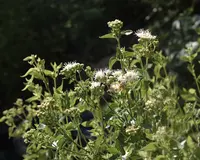
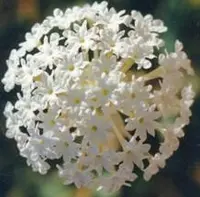
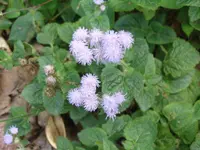
Fragrant snakeroot (Ageratina herbacea) is a small, herbaceous perennial from the sunflower family, native to dry, rocky areas of the southwestern United States and northern Mexico. It typically forms low clumps with many stems, carrying soft green leaves and clusters of fluffy white flowers that can have a light, sweet scent.
The plant is adapted to arid conditions and tends to be drought tolerant once established, which usually makes it low maintenance in suitable climates. Understanding how to care for fragrant snakeroot starts with providing well-drained soil, sun to light shade, and avoiding consistently wet conditions.

Care Difficulty
Easy Care

Light Preference
Full Sun

Water Requirements
Low Water

Temperature Preference
Warm Climate

Hardiness Zone
7–10

Soil Texture
Sandy, Loamy, Rocky

Soil pH
Slightly acidic (6.5–7.0), Neutral (7.0)

Soil Drainage
Well-drained

Fertilization
Minimal (feed rarely)
Scan your plant to receive care tips personalized for your specific plant
Available on iOS and Android
Ageratina herbacea prefers bright conditions that mimic open woodland or meadow edges.
This species prefers moderately moist, well-drained soil and does not tolerate prolonged saturation.
This plant is adapted to mild to warm climates with some tolerance for heat and brief light frosts.
This species is adapted to dry climates, so humidity is rarely a concern in typical homes.
Ageratina herbacea grows best in loose, fast-draining mineral soils that do not stay wet.
This plant can be grown in containers outdoors if drainage and stability are managed carefully.
This drought-adapted native needs minimal feeding, so caring for fragrant snakeroot focuses more on light and soil than fertilizer.
Pruning Ageratina herbacea is mainly used to keep plants tidy and sustain flowering performance.
This species is more often grown in the ground, so transplanting is more relevant than container repotting.
Ageratina herbacea is commonly propagated by seed, division, or softwood cuttings.
This plant is generally cold hardy in its native range and usually needs little winter attention in the ground.

Plant Health Check
Not sure what's wrong with your plant? Check your plant's health inside the app.
This species is native to arid and semi-arid regions of the southwestern United States and northern Mexico, where it grows in foothills, desert scrub, and open woodland edges rather than in moist forest habitats typical of many other Ageratina species.
It flowers from late summer into fall, producing small white tubular blooms that provide an important late-season nectar resource for native bees, butterflies, and moths in dry landscapes when many other wildflowers have finished.
The leaves release a noticeable fragrance when crushed, caused by volatile organic compounds in the foliage that likely help deter some herbivores and may reduce fungal growth on damaged tissue.
This species is highly attractive to native bees, small wasps, and butterflies, which visit the small white flower clusters for nectar and pollen. It works well in pollinator gardens and helps support local insect diversity late in the season.
Keep your plants happy and healthy with plant identification, disease detection, and easy care guidance.