Allegheny stonecrop Care (Hylotelephium telephioides)

Allegheny stonecrop

About Allegheny stonecrop

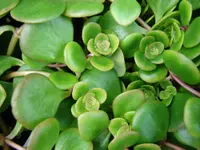
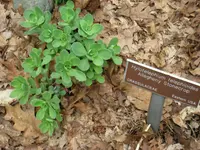
Allegheny stonecrop (Hylotelephium telephioides) is a hardy, clump-forming perennial succulent native to rocky slopes and open woodlands in the eastern United States. It forms low mounds of fleshy, blue-green leaves topped with clusters of pale pink to white star-shaped flowers in late summer to fall.

This species thrives in thin, well-drained, often gravelly or sandy soils and tolerates heat, drought, and poor fertility. Its ability to store water in its leaves makes it a resilient choice for low-maintenance gardens and rockeries.

Gardeners who want to know how to care for Allegheny stonecrop can focus on providing full sun, sharp drainage, and avoiding consistently wet conditions, which helps keep the plant compact and healthy.

Main Plant Requirements

Care Difficulty

Easy Care

Light Preference

Full Sun

Water Requirements

Low Water

Temperature Preference

Cold Hardy

Hardiness Zone

3–8

Soil Texture

Sandy, Loamy, Rocky

Soil pH

Slightly acidic (6.5–7.0), Neutral (7.0)

Soil Drainage

Well-drained

Fertilization

Minimal (feed rarely)

Get Personalized Care Plan

Scan your plant to receive care tips personalized for your specific plant

Available on iOS and Android

How to Care for the Allegheny stonecrop

This hardy perennial prefers bright conditions and thrives in full sun with some seasonal flexibility.

  • Aim for 6–8 hours of direct sun daily, with morning sun and light afternoon shade ideal in hotter regions to limit leaf scorch.
  • Allegheny stonecrop tolerates light partial shade, but stems may stretch and flowering can decrease if it receives under 4–5 hours of direct sun.
  • In summer, protect from intense late-afternoon sun in very hot climates; in autumn, more open exposure improves sturdy growth and flower production.

This succulent species stores water in its leaves and prefers infrequent, deep watering in fast-draining soil.

  • Allow the top 3–5 cm of soil to dry before watering; in many gardens this means watering only after several rain-free days during active growth.
  • Ensure sharply drained, gritty soil so water does not pool around the roots; prolonged soggy conditions cause root rot and mushy, collapsing stems.
  • Reduce watering in late fall and winter; shriveling or limp leaves suggest underwatering, while yellowing, soft foliage usually indicates overwatering in Hylotelephium telephioides.

This cold-hardy perennial tolerates a wide temperature range but grows best in moderate conditions during the growing season.

  • Optimal active growth occurs around 65–80°F (18–27°C), with sturdy stems and good flowering in typical spring and early summer conditions.
  • Dormant roots usually survive down to about -20°F (-29°C) in well-drained soil, but new spring shoots are more sensitive to late frosts.
  • Plants handle dry heat up to about 90–95°F (32–35°C) if soil drainage is excellent; combine full sun with extreme heat only when root zone moisture is not excessive.

Humidity is rarely a concern for this hardy, drought-tolerant succulent.

This species prefers lean, fast-draining soil that mimics rocky, open habitats.

  • Use a sandy or gritty mix, such as 50–70% mineral material (coarse sand, small grit, or fine gravel) blended with 30–50% low-organic loam or cactus mix.
  • Ensure very rapid drainage; water should pass through in seconds and the surface should dry within 1–2 days after watering.
  • Aim for slightly acidic to neutral pH, around 6.0–7.0, as Hylotelephium telephioides tolerates mildly alkaline conditions but performs best near neutral.
  • Avoid heavy clay, waterlogged spots, or peat-heavy mixes that stay wet and reduce root aeration, which encourages root rot.

This species is well suited to container growing outdoors.

  • Choose a wide, low pot to accommodate its spreading habit and reduce tipping in windy conditions.
  • Select unglazed terracotta if extra evaporation is needed, as this material helps prevent moisture buildup around the roots.
  • Elevate the container slightly on pot feet or bricks so drainage holes stay clear and excess water exits quickly.

This drought-tolerant perennial needs only light feeding to maintain healthy growth in most garden soils.

  • Apply a thin layer of compost or a low-dose balanced NPK, such as 5-5-5, once in spring for Allegheny stonecrop.
  • Use slow-release granules sparingly, keeping them 5–8 cm away from stems to avoid burn.
  • Dilute liquid fertilizer to 1/4–1/2 strength and use only on poor, sandy soils during active growth.
  • Do not feed in late fall or winter, when the plant is dormant and nutrient demand is low.

Hylotelephium telephioides responds well to light, timed pruning that maintains compact shape and flower quality.

  • In early spring, cut back all dead, dried stems to just above new shoots using clean hand pruners.
  • After flowering, remove spent flower heads to reduce self-seeding and keep clumps tidy.
  • Thin congested or crossing stems at the base to improve air flow and reduce lodging in rain.
  • Avoid cutting fresh green growth hard in midsummer, or stems may flop and flowering can be reduced.

This species is more often transplanted in garden beds than repotted, and it resents frequent disturbance.

  • Transplant every 3–5 years or when clumps become crowded, bare in the center, or growth slows noticeably.
  • Choose early spring or early fall, when temperatures are mild and soil moisture is steady, to limit stress.
  • Lift the clump with a fork, keep roots as intact as possible, and replant at the same depth in well-drained soil.
  • Water thoroughly after transplanting, then allow soil to drain between light waterings so roots can re-establish.

This perennial is commonly propagated to refresh older clumps and create new plants for dry, sunny areas.

  • Divide mature clumps in early spring or early fall, ensuring each division has several shoots and healthy roots.
  • Take 5–8 cm softwood or semi-ripe stem cuttings in late spring, letting the cut end callus briefly before planting.
  • Root cuttings in a gritty, well-drained mix with bright, indirect light and minimal watering to prevent rot.
  • Sow seeds in trays of sandy mix, barely cover, and keep cool and slightly moist; flowering from seed takes longer.

This cold-hardy perennial typically needs minimal winter care in-ground across much of its range.

  • Tolerates freezing temperatures once established, with top growth naturally dying back after hard frost.
  • After stems brown, cut them to ground level to reduce disease carryover and improve spring appearance.
  • Apply a light 3–5 cm mulch layer in colder climates to buffer root-zone temperature and soil heaving.
  • For container plants, move pots to a sheltered, unheated area and avoid waterlogged soil through winter.

Care Tips

Staggered Division

Divide mature clumps every 3–4 years in early spring, replanting small outer rosettes and discarding woody, exhausted centers to keep the planting vigorous and compact.

Lean Nutrient Strategy

Position plants in the leanest part of a sunny border or rock garden and avoid nearby heavy feeders, which helps maintain firm, upright stems and reduces flopping in late summer.

Gravity-Assisted Cuttings

After flowering, take 5–8 cm non-flowering tip cuttings, let the cut end callus for 1–2 days, then lay or lightly insert them into a gritty tray so new roots form quickly along the stem nodes.

Winter Crown Protection

In colder regions, allow a thin layer of small gravel or coarse sand to remain over the crowns through winter to improve drainage around the growing points and reduce freeze–thaw damage.

Targeted Pest Monitoring

Inspect stems and leaf undersides during prolonged warm, dry spells for aphids and scale, and if found, prune out localized infestations or use a directed jet of water before resorting to insecticidal soap when caring for Allegheny stonecrop.

Common Pests and Diseases

Aphids

This pest feeds on tender shoots and flower stems, sucking sap and causing distorted growth and sticky honeydew on leaves and buds.

Solution

Spray the plants with a strong stream of water to knock aphids off, then treat remaining colonies with insecticidal soap or neem oil, repeating every 5–7 days until populations stay low; remove heavily infested flower stems if needed to reduce re‑infestation while still successfully growing Allegheny stonecrop.

Mealybugs

These insects appear as white, cottony clusters in stem joints and under leaves, weakening plants by sucking sap and sometimes causing leaf yellowing or stunting.

Solution

Isolate affected plants, then dab visible mealybugs with cotton swabs dipped in 70% isopropyl alcohol and follow up with a light application of insecticidal soap or neem oil, checking leaf joints weekly and treating new patches promptly.

Scale insects

This pest appears as small, rounded or oval bumps on stems and leaf undersides, producing honeydew and causing gradual yellowing or decline of stems.

Solution

Gently scrape or rub off individual scale insects with a fingernail or soft brush, then apply horticultural oil to thoroughly coat stems and leaf undersides, repeating once or twice at 7–10 day intervals to catch newly hatched crawlers.

Botrytis blight

This disease causes soft, water-soaked spots on leaves or stems that may develop fuzzy gray mold, especially in cool, damp conditions around dense clumps and fading flower heads.

Solution

Remove and discard all affected leaves, stems, and spent flower heads, improve air circulation by thinning crowded shoots, avoid wetting foliage when watering, and if needed use a labeled fungicide during prolonged wet, cool periods to protect new growth.

Powdery mildew

This disease shows as white, powdery patches on leaves and sometimes stems, which can lead to leaf distortion and premature leaf drop in humid, still conditions.

Solution

Improve airflow around plants by spacing and light pruning, water at soil level in the morning, remove heavily infected leaves, and apply a sulfur or potassium bicarbonate fungicide at the first signs of infection to protect the remaining foliage.

Interesting Facts

Appalachian rock specialist

This species is native to rocky outcrops and cliff ledges of the Appalachian region in the eastern United States, often rooting in very shallow, nutrient-poor crevices where many other perennials cannot survive.

Seasonal color shift

Its fleshy leaves often take on pinkish or reddish tones in strong sun and late season, a response linked to protective pigments called anthocyanins that help shield tissues from light and drought stress.

Late-season pollinator plant

It blooms in late summer to fall with clusters of small, pale pink to whitish flowers that provide a nectar and pollen source for bees, hoverflies, and other insects when many earlier perennials have already finished flowering.

Botan icon

Did you know?

This species was long treated in the genus Sedum and only relatively recently placed in Hylotelephium based on both floral morphology and molecular evidence, making it an example often cited in discussions of how DNA data reshapes traditional stonecrop classification.

FAQs about Allegheny stonecrop

This species forms low, slowly widening clumps through short rhizomes, but it is not aggressive. It may self-seed lightly in open, sunny spots. Regular division and removing unwanted seedlings keep its spread controlled in most gardens.

Grow Healthy Plants with Botan Care

Keep your plants happy and healthy with plant identification, disease detection, and easy care guidance.


Botan plant care app — identify plants on mobile

Explore More Plants