Greek Anemone Care (Anemonoides blanda)

Greek Anemone

About Greek Anemone

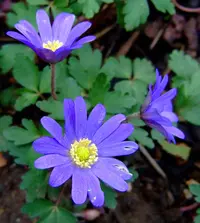
Greek anemone, Anemonoides blanda, is a small spring-blooming bulb-like perennial valued for its early color and naturalizing habit. It forms low clumps with finely divided foliage and daisy-like flowers in shades of blue, pink, or white.

Native to southeastern Europe and parts of the eastern Mediterranean, it often carpets woodland edges and rocky slopes. The plant goes dormant in summer, which makes it suitable for mixing with later-emerging perennials.

It is generally considered easy to grow in climates with cool to mild winters, especially in light shade and well-drained, humus-rich soil. Understanding how to care for Greek Anemone mainly involves providing a winter chill period and avoiding waterlogged conditions during dormancy.

Main Plant Requirements

Care Difficulty

Moderate Care

Light Preference

Partial Shade

Water Requirements

Moderate Water

Temperature Preference

Cold Hardy

Hardiness Zone

5–9

Soil Texture

Loamy, Sandy, Organic-rich

Soil pH

Acidic (5.5–6.5), Slightly acidic (6.5–7.0)

Soil Drainage

Well-drained

Fertilization

Minimal (feed rarely)

Get Personalized Care Plan

Scan your plant to receive care tips personalized for your specific plant

Available on iOS and Android

How to Care for the Greek Anemone

This spring-flowering tuber prefers bright, gentle light that mimics open woodland conditions.

  • Provide 4–6 hours of morning sun with light afternoon shade; eastern exposure or dappled light under deciduous trees suits Greek Anemone well.
  • In hotter regions, protect from harsh midday and late-afternoon sun to prevent leaf scorch and shortened flowering period.
  • In late winter and early spring, allow more direct sun before trees leaf out; later in the season, partial shade helps keep the soil cool and moist.

This plant prefers evenly moist, well-drained soil during active growth, then drier conditions in summer dormancy.

  • In spring, water when the top 3–5 cm of soil feels dry, aiming for consistently moist but not saturated soil around the tubers.
  • Ensure sharp drainage with gritty or humus-rich soil so excess water runs off quickly; prolonged sogginess increases risk of rot in Anemonoides blanda.
  • Reduce watering sharply once foliage yellows and dies back; during dormancy, keep soil barely moist at most, only preventing complete, prolonged bone dryness.

This hardy spring bulb tolerates cool conditions and brief frost but prefers moderate temperatures during growth.

  • Active growth is best at 45–65°F (7–18°C), typical of late winter to mid-spring in many temperate gardens.
  • Dormant tubers usually survive down to about 0°F (-18°C) in well-drained soil, especially with mulch for winter insulation.
  • In late spring, once temperatures regularly exceed 75°F (24°C), foliage often dies back naturally; protect from extreme heat above 90°F (32°C) with mulch to keep soil cooler.

This species copes well with 40–60% humidity and usually does not need special humidity management outdoors.

  • Tolerates typical dry home air but prolonged heating can desiccate leaves and shorten flowering.
  • Crisp leaf edges and sluggish growth indicate air is too dry or soil is drying out too quickly for Greek Anemone.
  • Increase local humidity outdoors with organic mulch, and indoors by grouping pots or using a nearby pebble tray rather than misting.

This small tuberous perennial prefers loose, humus-rich ground that drains quickly yet stays lightly moist in spring.

  • Use a mix of roughly 50% loam or garden soil, 30–40% compost, and 10–20% sharp sand or fine grit for structure and drainage.
  • Aim for slightly acidic to neutral pH, around 6.0–7.0, which supports nutrient availability and healthy root function in Anemonoides blanda.
  • Improve aeration in heavy or compacted soil by working in coarse sand, fine gravel, or composted bark before planting the tubers.
  • Avoid waterlogged, sticky clay or spots where snowmelt and rain stand for long periods, as this promotes tuber rot.

This species is well suited to container growing for patios, balconies, or small gardens.

  • Choose a container at least 15–20 cm deep so the tubers can sit 5–8 cm below the surface with room for root spread.
  • Select a relatively wide pot to allow natural clumping and prevent crowding that can trap excess moisture.
  • Use a heavier material such as terracotta or ceramic to stabilize the pot and moderate moisture swings in windy or sunny positions.]},

This small tuberous perennial needs only light feeding to flower well in garden soil.

  • Apply a thin layer of compost or leaf mold over the planting area in early spring before shoots emerge.
  • Use a balanced, slow-release granular fertilizer (around 10-10-10) at low label rates once per spring for Greek Anemone.
  • Avoid summer and winter feeding while the plant is dormant, as nutrients are not actively taken up.
  • Water after applying any fertilizer to help nutrients move into the root zone and prevent localized burn.

Pruning needs for Anemonoides blanda are minimal and focus on tidiness rather than shaping.

  • In late spring, allow foliage to yellow and wither naturally before removing it, so the tubers can store energy.
  • Cut or gently pull away dead or diseased leaves with clean scissors to reduce fungal problems.
  • Remove only obviously damaged or overcrowded clumps; pruning does not significantly change plant shape or height.
  • Disinfect cutting tools before use to avoid spreading pathogens between plants.

This woodland bulb is usually grown in the ground, with transplanting done infrequently to refresh crowded clumps.

  • Lift and divide clumps every 4–5 years if flowering declines or plants become congested.
  • Transplant in late summer to early fall, after foliage has fully died back and tubers are dormant.
  • Gently lift tubers, keep them shaded and slightly moist, and replant them at the same depth in well-drained soil.
  • Water lightly after transplanting to settle soil around tubers while avoiding waterlogging, which can cause rot.

Anemonoides blanda is commonly propagated by division of tubers and by seed under suitable conditions.

  • Divide dormant tubers in late summer or early fall, separating natural offsets and replanting them promptly.
  • Sow fresh seed in pots or trays outdoors in fall, allowing natural cold stratification over winter.
  • Use a free-draining, humus-rich mix and keep it evenly moist, not saturated, to support root and shoot development.
  • Label seed containers and be patient; germination can be slow and irregular over 1–2 years.

This species is generally cold hardy in much of the US and needs only simple winter care once established.

  • Tuberous roots tolerate typical winter frosts in USDA zones where it is hardy, provided drainage is good.
  • Apply a light mulch of leaves or compost after the ground cools to buffer temperature swings around the tubers.
  • For container-grown plants, move pots into a sheltered, unheated but frost-free area to prevent root damage.

Care Tips

Mark Dormant Clumps

Insert small, durable labels where the plants grow in spring so you avoid disturbing the tiny dormant tubers when digging or replanting nearby in summer and autumn.

Staggered Planting Depth

Plant most tubers at the standard depth, then place a few slightly deeper and a few slightly shallower to extend the flowering period as each group emerges and blooms at slightly different times.

Soak Tubers Correctly

Before planting, wrap the hard, dried tubers in a damp paper towel or cloth for 4–6 hours instead of submerging them in water, which hydrates them safely without risking rot.

Use Deciduous Canopy

Site the plants under deciduous shrubs or trees so they receive bright light in late winter and early spring, then enjoy cooling shade from the canopy as it leafs out after flowering.

Lift Only When Necessary

If flowering declines noticeably despite good foliage, lift the clumps in late summer dormancy, gently divide the crowded tubers, and replant them in fresh, humus-rich soil to keep growing Greek Anemone vigorous.

Common Pests and Diseases

Botrytis blight

This disease causes soft, water-soaked patches on leaves, stems, and flowers that quickly develop fuzzy gray mold, especially in cool, damp spring weather.

Solution

Remove and discard affected foliage and flowers, avoid overhead watering, and improve air circulation around the planting. In very wet seasons, a preventive fungicide labeled for ornamental bulbs can be used at bud emergence according to label directions.

Basal corm rot

This disease affects the underground corms, leading to poor emergence, stunted growth, and yellowing foliage that collapses early in the season.

Solution

Lift and discard any soft, discolored, or foul-smelling corms, and replant only firm, healthy ones in well-drained soil. Avoid overwatering during dormancy and rotate planting locations every few years to reduce pathogen buildup when trying to grow Anemonoides blanda.

Slug and snail damage

These pests chew irregular holes and notches in young leaves and flowers, often leaving shiny slime trails on or around the plants.

Solution

Hand-pick slugs and snails in the evening, use iron phosphate bait around plantings, and reduce hiding places such as dense mulch or debris. Copper tape barriers or rough grit (like crushed eggshells) can also help protect small clumps during early growth.

Leaf spot

Symptoms include small brown, purplish, or tan spots on leaves that may merge into larger patches, causing premature yellowing and drop of foliage in wet springs.

Solution

Remove and dispose of affected leaves at first signs, and keep foliage as dry as possible by watering at soil level. Improve spacing and airflow, and if the problem recurs yearly, apply a suitable ornamental fungicide early in the season following label guidelines.

Aphids

These insects cluster on stems and the undersides of young leaves, sucking sap and causing distortion, curling, and sticky honeydew that can attract sooty mold.

Solution

Dislodge colonies with a strong stream of water and prune heavily infested stems if practical. For persistent infestations, use insecticidal soap or horticultural oil, making sure to coat the undersides of leaves and repeating as needed according to product directions.

Interesting Facts

Spring ephemeral strategy

This species is a classic spring ephemeral, completing most of its growth and flowering before the tree canopy leafs out, which allows it to exploit bright early-season light in deciduous woodlands.

Mediterranean mountain origins

It is native to rocky slopes and open woodlands in southeastern Europe and parts of the eastern Mediterranean, including Greece and Turkey, and is naturally adapted to dry, hot summers and cool, moist winters.

Color-shifting flowers

The daisy-like flowers often open a strong blue or purple in cool conditions but can appear paler or even pinkish in warmer, brighter sites, reflecting temperature- and light-related pigment expression in the petals.

Botan icon

Did you know?

In horticulture, this plant is one of the few small spring bulbs that can naturalize into dense, long-lived carpets under deciduous trees, returning reliably for decades from the same corm-like tubers when sited in suitable climates.

FAQs about Greek Anemone

All parts contain irritating compounds and are considered mildly toxic if chewed. Pets may drool, vomit, or show mouth irritation. Plant it where animals are unlikely to graze and contact a vet if ingestion is suspected.

Grow Healthy Plants with Botan Care

Keep your plants happy and healthy with plant identification, disease detection, and easy care guidance.

Botan plant care app — identify plants on mobile

Explore More Plants