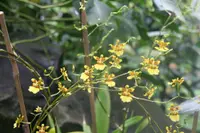
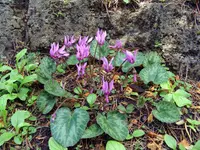
western snakeroot Care (Ageratina occidentalis)

western snakeroot

About western snakeroot

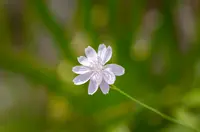
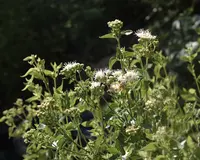
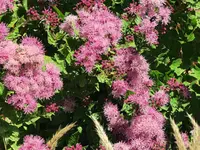
Western snakeroot, Ageratina occidentalis, is a small, mound-forming perennial in the aster family. It typically has dense clusters of white flower heads held above dark green foliage. This species is native to dry, open habitats of western North America, often on rocky slopes and forest edges at higher elevations. It is adapted to lean, well-drained soils and seasonal drought, which can make it relatively low-maintenance once established. For gardeners, the main considerations in how to care for western snakeroot are providing sun to light shade, avoiding waterlogged soil, and allowing good air movement around the plant.

Main Plant Requirements

Care Difficulty

Moderate Care

Light Preference

Partial Sun

Water Requirements

Moderate Water

Temperature Preference

Cold Hardy

Hardiness Zone

4–8

Soil Texture

Sandy, Loamy, Rocky

Soil pH

Slightly acidic (6.5–7.0), Neutral (7.0)

Soil Drainage

Well-drained

Fertilization

Minimal (feed rarely)

Get Personalized Care Plan

Scan your plant to receive care tips personalized for your specific plant

Available on iOS and Android

How to Care for the western snakeroot

This mountain native favors bright conditions with protection from harsh midday sun.

  • Provide 4–6 hours of direct morning sun or late-afternoon sun, with light shade during the strongest midday hours, especially in hotter regions.
  • Western snakeroot tolerates partial shade (as little as 2–3 hours of direct sun) but may flower less and grow more openly in low-light sites.
  • Avoid prolonged full, reflected afternoon sun, which can scorch foliage; in summer, use dappled shade or plant near taller perennials for filtered light.

This species prefers evenly moist, well-drained soil rather than extremes of drought or saturation.

  • Let the top 3–5 cm of soil dry before watering again; soil should feel slightly cool and moist below the surface, not soggy.
  • Increase watering during active growth and flowering, then reduce once temperatures cool and growth slows, relying more on natural rainfall.
  • Watch for wilting, crisp leaf edges, and slow growth as signs of underwatering; yellowing, soft stems, and a sour soil smell indicate excess moisture and poor drainage for Ageratina occidentalis.

This plant is adapted to cool to warm temperate conditions with some tolerance of seasonal cold.

  • Best growth occurs around 60–75°F (16–24°C), typical of mild spring and early summer conditions in many temperate climates.
  • Established plants usually tolerate down to about 10–15°F (-12 to -9°C) in the ground, dying back above soil level but re-sprouting from the crown in spring.
  • Short heat waves to 85–90°F (29–32°C) are tolerated if soil moisture is maintained, but prolonged extreme heat or hard frost without snow cover can damage crowns.

This species handles a wide humidity range and usually grows well in typical outdoor conditions.

  • Target 30–60% humidity; the plant tolerates drier air if soil moisture is consistent.
  • Crisping leaf edges and stalled growth during hot, windy periods indicate humidity stress combined with drought.
  • In very dry, exposed sites, reduce stress by using light mulch and grouping plants to create a slightly more humid microclimate.

Ageratina occidentalis prefers loose, draining soil that mimics open woodland or rocky slope conditions.

  • Use a loamy, gritty mix such as 40% garden loam, 40% coarse sand, and 20% compost to balance drainage and nutrient supply.
  • Aim for slightly acidic to neutral pH, roughly 6.0–7.0, avoiding highly alkaline soils that can limit nutrient uptake.
  • Improve drainage and aeration in heavy soil by incorporating coarse sand, fine gravel, or perlite through the top 15–20 cm before planting.
  • Avoid compacted clay, sites that stay wet after rain, or mixes heavy in peat with no mineral grit, as these promote root rot.

This species can be grown in containers if the pot mimics its naturally well-drained, rocky habitat.

  • Choose a deep, heavy pot to anchor the spreading top growth and prevent tipping in wind.
  • Fill the container with a gritty mix that includes coarse sand or small gravel so water moves quickly away from the roots.
  • Elevate the pot slightly on feet or bricks so drainage holes stay clear and excess water leaves the root zone quickly.

This native wildflower, known as western snakeroot, needs minimal supplemental feeding in most garden soils.

  • In lean or sandy soils, apply a light layer of compost around the root zone once in spring.
  • Where extra growth is desired, use a balanced, slow-release NPK fertilizer at 1/2 strength in early spring.
  • Avoid midsummer and late-fall feeding to prevent weak, frost-prone growth and nutrient leaching.

Pruning Ageratina occidentalis is mainly used to maintain shape and encourage healthy, floriferous growth.

  • Cut back dead or winter-killed stems in late winter or very early spring before new growth emerges.
  • Remove damaged or crowded stems at the base to improve air flow and reduce disease risk.
  • Lightly shorten tall or floppy shoots after flowering to keep a compact, upright form.

This species is usually grown in the ground, so care focuses on careful transplanting rather than frequent repotting.

  • Transplant in early spring or fall when temperatures are mild and soil is workable.
  • Move plants when growth slows, clumps become crowded, or flowering declines noticeably.
  • Lift with a wide root ball, keep roots shaded and moist, and replant at the same depth in well-drained soil.
  • Water deeply after transplanting and maintain even moisture for 2–3 weeks to limit transplant shock.

Ageratina occidentalis is commonly propagated by division and seeds for maintaining or expanding plantings.

  • Divide mature clumps in early spring or early fall, replanting vigorous outer sections at once.
  • Sow fresh seed in autumn outdoors or provide 4–6 weeks of cold stratification before spring sowing.
  • Use a well-drained, fine-textured medium and keep it evenly moist until seedlings or divisions establish.
  • For cuttings, root non-flowering shoots in late spring under high humidity and bright, indirect light.

In suitable hardiness zones this species is generally cold hardy and needs only modest winter attention.

  • Tolerates typical frosts once established but young plants benefit from a light mulch layer.
  • Apply 5–8 cm of organic mulch after the ground cools to insulate the root zone and reduce heaving.
  • In containers, move pots to a sheltered, unheated but frost-moderated spot and avoid waterlogged soil.

Care Tips

Slope-friendly planting

Install plants on a slight slope or raised berm in heavier soils so water drains away from the crown and stems stay less prone to rot and winter dieback.

Pinch for fuller clumps

Lightly pinch back soft shoot tips in late spring to encourage a denser, more wind-resistant mound rather than a few lanky flowering stems.

Targeted deadheading

Remove spent flower clusters just above a set of healthy leaves to reduce self-seeding and extend the plant’s clean appearance without overly stressing the plant.

Winter root protection

In colder regions, apply a loose, dry mulch layer 5–8 cm thick after the ground cools to buffer freeze–thaw cycles around the roots while keeping mulch slightly back from the crown.

Wildlife-conscious siting

Place plants where light trampling or wildlife browse is minimal, such as just upslope of paths or between sturdier perennials, to reduce stem breakage while still supporting pollinators when growing western snakeroot.

Common Pests and Diseases

Powdery mildew

This disease commonly affects many Asteraceae species, including western snakeroot, in late summer and fall. Symptoms include white, powdery patches on leaves and stems that can reduce vigor and flowering.

Solution

Remove and dispose of heavily infected leaves and any fallen plant debris, then improve air circulation by thinning crowded stems and nearby vegetation. Avoid overhead watering, irrigate at soil level in the morning, and if needed apply a labeled sulfur or potassium bicarbonate fungicide early in the infection period, following local regulations and label directions.

Leaf spot

This disease appears as small brown, tan, or purplish spots on leaves, sometimes with yellow halos, and is favored by prolonged leaf wetness. Symptoms include premature yellowing and shedding of foliage on stressed plants.

Solution

Prune out and discard affected leaves to reduce inoculum, and water at the base of the plant so foliage dries quickly. Increase spacing and airflow, avoid overhead irrigation in the evening, and in recurrent cases consider a preventive copper-based fungicide applied according to the product label.

Rust

This disease causes yellow to orange spots on upper leaf surfaces with corresponding powdery pustules on the undersides. Symptoms include leaf distortion and early drop under severe pressure, especially in dense, moist stands or shaded sites.

Solution

Promptly remove and destroy rust-infected leaves and any heavily affected stems, and clean up plant debris at the end of the season to break the disease cycle. Improve sun exposure and airflow where possible, and in severe or repeated outbreaks use a registered rust-active fungicide applied at the first sign of symptoms.

Aster leafhopper

This pest is a mobile sap-sucking insect that can transmit aster yellows, a disease affecting many native asters and their relatives. Symptoms include stunting, bushy or deformed growth, and pale, chlorotic foliage rather than obvious chewing damage.

Solution

Monitor with regular visual checks and, where population buildup is noted, reduce nearby weeds and alternate host plants that harbor leafhoppers. For high-value plantings, use fine mesh row covers where feasible, or apply an insecticidal soap or pyrethrin-based product labeled for leafhoppers, ensuring thorough coverage of stems and leaf undersides.

Aphids

These insects cluster on new shoots and the undersides of leaves, sucking sap and excreting sticky honeydew that can attract sooty mold. Symptoms include distorted young growth and reduced vigor under heavy infestations.

Solution

Dislodge colonies with a firm stream of water, repeating as needed, and encourage natural predators such as lady beetles by minimizing broad-spectrum insecticides. For persistent infestations, use insecticidal soap or a lightweight horticultural oil applied in the early morning or evening, coating both sides of the foliage thoroughly.

Interesting Facts

Mountain stream specialist

This species is naturally restricted to moist, rocky sites along mountain streams and seeps in the western United States, often growing on steep banks where the soil stays cool and periodically saturated by snowmelt.

Autumn-blooming nectar source

It typically flowers in late summer to fall at higher elevations, providing late-season nectar and pollen for native bees, butterflies, and other insects when many other mountain wildflowers have already finished blooming.

Wind-dispersed seed plumes

Its small, dry fruits carry a tuft of white hairs called a pappus, which acts like a tiny parachute and allows seeds to travel on the wind away from the parent plant, similar to a dandelion but on a much smaller scale.

FAQs about western snakeroot

Lack of flowers usually comes from too much shade, dry or nutrient-poor soil, or plants that are still immature. Ensure enough light, steady moisture, and avoid heavy pruning in early summer when flower buds are forming.

Grow Healthy Plants with Botan Care

Keep your plants happy and healthy with plant identification, disease detection, and easy care guidance.

Botan plant care app — identify plants on mobile

Explore More Plants