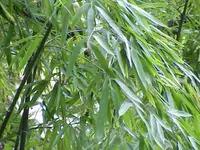
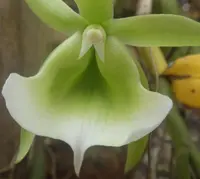
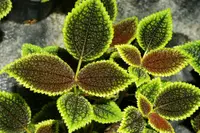
seashore palm Care (Allagoptera arenaria)

Also known as: Beach Coconut, Dwarf Palm, Restinga Palm
seashore palm

About seashore palm

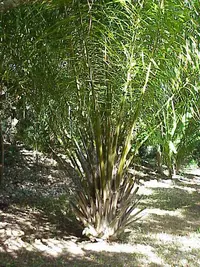
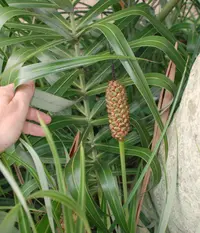
The seashore palm, Allagoptera arenaria, is a compact, clumping palm adapted to coastal dunes of eastern Brazil. It stays relatively low, forming dense clusters rather than a tall single trunk. Leaves are arching and feather-like, often leaning outward to form a rounded, fountain-shaped mass of foliage.

This species naturally tolerates wind, salt spray, and sandy, fast-draining soils, which makes it useful for exposed, seaside landscapes. It grows slowly but is generally hardy once established, as long as the soil does not stay waterlogged.

In cultivation, it prefers bright light, moderate watering, and lean, well-draining soil. These traits mean it suits patient growers who want to learn how to care for seashore palm in coastal or similarly tough sites.

Main Plant Requirements

Care Difficulty

Moderate Care

Light Preference

Full Sun

Water Requirements

Low Water

Temperature Preference

Tropical / Frost Sensitive

Hardiness Zone

10–11

Soil Texture

Sandy, Loamy

Soil pH

Acidic (5.5–6.5), Slightly acidic (6.5–7.0)

Soil Drainage

Well-drained

Fertilization

Minimal (feed rarely)

Get Personalized Care Plan

Scan your plant to receive care tips personalized for your specific plant

Available on iOS and Android

How to Care for the seashore palm

This coastal palm prefers strong light and thrives best in open, sunny positions.

  • Provide 6–8 hours of direct sun daily; full sun suits mature seashore palm, while young plants benefit from light afternoon shade in very hot climates.
  • Tolerates bright partial shade, but growth becomes looser and slower with fewer than 4–5 hours of sun, and fronds may stretch toward the light.
  • In summer, monitor for leaf scorch on newly planted specimens; in winter, ensure an unobstructed southern exposure to maximize low-angle sun.

This dune-adapted palm prefers infrequent, deep watering and fast-draining sandy soil.

  • Outdoors in-ground, water thoroughly only when the top 5–8 cm of soil feels dry, then allow excess to drain away completely.
  • During the first growing season, use the finger test weekly; increase watering if fronds fold and feel dry, reduce if new growth turns yellow and soil stays wet.
  • In winter or cool spells, reduce frequency by about half, as Allagoptera arenaria slows growth and uses less moisture in colder soils.

This species is adapted to warm, coastal climates and handles heat better than cold.

  • Optimal growth occurs around 70–90°F (21–32°C), especially in sunny, well-ventilated sites with sandy soil.
  • It tolerates brief drops to about 28–30°F (-2 to -1°C) but repeated frosts can damage fronds and young growth.
  • In hot regions with summer peaks above 95°F (35°C), ensure soil does not stay waterlogged, as warm, saturated conditions increase root stress.

This coastal palm handles a wide humidity range but benefits from moderately moist air.

  • Aim for 40–60% humidity; it copes with drier indoor air better than many tropical palms.
  • Dry tips and slow growth can indicate air that is too dry or prolonged heat stress.
  • Increase humidity by grouping plants, placing the pot on a pebble tray with water below the base, or running a nearby humidifier.

This species prefers very free-draining, sandy soil that mimics coastal dunes.

  • Use a mix of roughly 50–70% coarse sand with the rest cactus mix or lean loam to keep it fast-draining and airy.
  • Maintain slightly acidic to neutral pH around 6.0–7.0, avoiding strongly alkaline mixes that can restrict nutrient uptake.
  • Improve aeration and drainage with coarse sand, pumice, or fine gravel rather than heavy compost or peat-rich products.
  • Avoid compacted, clay-based, or water-retentive substrates, since prolonged saturation quickly leads to root rot in Allagoptera arenaria.

This palm can be grown in containers, especially in cooler climates or small spaces.

  • Choose a low, wide container to support its clumping, spreading root system and reduce the risk of tipping in strong wind.
  • Use a heavy, stable pot material such as ceramic or concrete if the plant is exposed to gusty outdoor conditions.
  • Raise the container slightly on pot feet so water drains freely and air can circulate under the base to keep roots drier.

This coastal palm grows well in lean soils but benefits from light, targeted feeding in containers or poor sand.

  • Use a balanced slow-release palm fertilizer or diluted balanced NPK (around 10-10-10) for seashore palm in pots.
  • Feed every 6–8 weeks during spring–summer, skipping if growth is strong in the ground.
  • Apply at 1/2 strength for liquids, always onto moist soil to avoid root burn.
  • Stop feeding in fall–winter so the plant can rest and harden growth.

Allagoptera arenaria needs only minimal pruning to keep the crown tidy and healthy.

  • Carry out pruning in late winter or early spring before strong new growth begins.
  • Remove only dead, yellowing, storm-damaged, or crossing fronds at the base without cutting into the trunk.
  • Avoid cutting green, healthy fronds since this reduces vigor and weakens the palm.
  • Use clean, sharp pruners or a pruning saw, disinfected between plants to limit disease spread.

This palm is usually grown in the ground, so focus on careful transplanting and only occasional repotting in containers.

  • Plan transplanting or up-potting for warm, settled weather in late spring or early summer.
  • Look for roots circling the pot, water running straight through, or slowed growth as signs it needs more space.
  • Transplant every 3–5 years, moving to a container 5–8 cm wider with very free-draining sandy mix.
  • Handle roots gently, keep the same planting depth, water thoroughly, and shade lightly for 1–2 weeks to reduce stress.

This species is propagated mainly from seeds, which germinate slowly and need warmth and patience.

  • Collect fully ripe fruits, clean off pulp, and sow fresh seeds for best viability.
  • Sow in spring in a very well-drained sandy mix, covering seeds lightly and keeping them barely moist.
  • Maintain consistent warmth around 77–86°F and high humidity; germination may take several months or longer.
  • Use deep pots so the developing taproot has space, disturbing seedlings as little as possible when potting on.

This coastal palm has moderate cold tolerance but still benefits from simple winter precautions in cooler regions.

  • In mild coastal climates, established plants tolerate brief dips near freezing with little extra care.
  • In colder zones, mulch 5–8 cm around the root zone, keeping mulch away from the trunk base.
  • For container plants, move pots indoors or into a bright, frost-free space before temperatures drop below 32°F.
  • In marginal climates, wrap the crown loosely with breathable fabric during hard freezes and remove once temperatures rise.

Care Tips

Wind exposure training

In windy coastal or balcony sites, gradually acclimate young plants by first sheltering them behind a windbreak fence or shrubbery, then increasing exposure over several months to help fronds toughen and reduce breakage.

Salt management strategy

If grown away from the shoreline, occasionally hose down foliage and the soil surface after road-salt spray or salty irrigation to prevent salt crusts that can interfere with root function.

Cluster shaping and thinning

Every 1–2 years, remove only the weakest or most crowded stems at the base with a clean, sharp saw to maintain an open clump shape, improve airflow, and keep the plant accessible for maintenance.

Deep mulching technique

Apply a 5–8 cm layer of coarse, well-draining mulch, such as crushed shell, gravel, or chunky pine bark, around but not touching the stems to stabilize soil temperature, protect shallow roots, and mimic its natural dune environment when growing seashore palm.

Root-zone stabilization

On slopes or sandy banks, secure the root area by combining low groundcovers or native grasses with biodegradable erosion-control mesh so the palm’s roots can knit the soil while the surface remains protected from washouts.

Common Pests and Diseases

Palm leaf skeletonizer

This pest is a small moth whose larvae tunnel between leaf surfaces and feed on the leaf tissue, leaving clear or brownish windows and shredded fronds. Symptoms include narrow, mined streaks that later dry out and give the fronds a ragged, skeletonized look.

Solution

Prune and destroy heavily damaged fronds to remove active larvae, then monitor new growth closely. For ongoing issues, spray affected fronds with Bacillus thuringiensis (Bt) labeled for caterpillars, ensuring thorough coverage of both sides of the leaf, and reduce nearby plant litter where moths may pupate.

Scale insects

These insects attach firmly to palm leaflets and petioles, appearing as small bumps or crusty patches that suck sap and cause yellow spotting, leaf thinning, and general decline. This pest often hides along leaf midribs and in tight leaflet bases, making early infestations easy to overlook.

Solution

Wipe or gently scrub accessible areas with a soft cloth or brush dipped in mild soapy water, then rinse with clean water. For persistent colonies, apply a horticultural oil or insecticidal soap thoroughly to all leaf surfaces on a cool, overcast day, repeating as needed according to label directions.

Ganoderma butt rot

This disease is caused by a wood-decay fungus that attacks the lower trunk and root collar, leading to loss of vigor, leaf yellowing, and eventual collapse. Symptoms include a hard, varnished-looking bracket fungus (conk) forming near the base of the plant.

Solution

Remove and discard the entire palm, including as much of the root system and old trunk material as possible, since there is no effective cure once symptoms appear. Avoid replanting another palm in the exact same spot and prevent trunk wounds on nearby palms, which provide entry points for the fungus.

Lethal bronzing–like decline

This disease resembles other phytoplasma or systemic disorders observed in coastal palms, with older fronds bronzing, then turning reddish-brown and drying from the bottom up while the crown becomes sparse. Symptoms include premature fruit drop and eventual death of the growing point, leading to a dead crown.

Solution

Remove and destroy severely affected plants promptly to limit spread, and avoid moving potentially infected plant material or offshoots. Source new seashore palms from reputable nurseries that monitor for phytoplasma-like symptoms, and maintain good general health with proper watering and balanced fertilization to reduce stress.

Spider mites

These pests are tiny arachnids that feed on the undersides of leaflets, causing fine stippling, dulling of the leaf surface, and, in heavy infestations, webbing between leaf segments. This pest often appears on plants grown in hot, dry, sheltered sites, especially in containers or protected coastal gardens.

Solution

Rinse foliage thoroughly with a strong but controlled stream of water, focusing on the undersides of leaves and repeating several times over 1–2 weeks. If populations remain, apply insecticidal soap or a light horticultural oil to all leaf surfaces, and increase ambient humidity or reduce reflected heat where possible.

Interesting Facts

Prostrate palm habit

This palm naturally grows with a short, often underground stem and arching leaves that lie close to the ground, forming a low, windswept clump instead of a tall trunk. This growth form helps it avoid damage from strong coastal winds.

Sand-binding root system

It develops a dense, fibrous root system that stabilizes loose coastal sands. In native Brazilian dunes, these roots help reduce erosion and hold dune structures in place.

Salt and drought tolerance

The leaves tolerate salt spray and intense sunlight, while the plant survives long dry periods in nutrient-poor sand. These combined adaptations make it one of the few palms that can thrive in exposed Atlantic coastal dunes.
Botan icon

Did you know?

In parts of coastal Brazil, its small edible fruits have traditionally been collected and eaten locally, and the strong leaves are sometimes used for simple thatching and craftwork, linking the species directly to traditional dune‑side livelihoods.

FAQs about seashore palm

This species performs well in large, heavy containers with excellent drainage. Use a coarse, sandy mix and avoid frequent repotting. Containers dry out and heat up faster, so monitor moisture and root crowding more closely than in-ground plants.

Grow Healthy Plants with Botan Care

Keep your plants happy and healthy with plant identification, disease detection, and easy care guidance.

Botan plant care app — identify plants on mobile

Explore More Plants