Japanese Knotweed Care (Reynoutria japonica)

Also known as: Asiatic Knotweed, Japanese fleece flower
Japanese Knotweed

About Japanese Knotweed

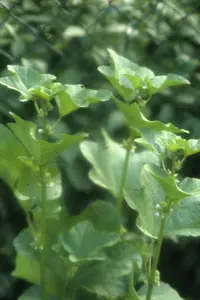
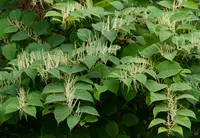
Japanese knotweed, Reynoutria japonica, is a fast-growing perennial herb with tall, bamboo-like hollow stems and large, heart-shaped leaves. It spreads by thick underground rhizomes that form dense stands.

The species is native to East Asia but is now widespread and often invasive in Europe and North America, especially along rivers, roadsides, and disturbed ground. It produces clusters of small white flowers in late summer.

The plant is vigorous and very hardy, tolerating a wide range of soils and climates, which makes it easy to establish but extremely difficult to control. Anyone looking up how to care for Japanese Knotweed is usually focused on safe management and containment rather than ornamental cultivation.

Main Plant Requirements

Care Difficulty

Easy Care

Light Preference

Full Sun

Water Requirements

Regular Water

Temperature Preference

Cold Hardy

Hardiness Zone

4–9

Soil Texture

Loamy, Clay, Silty

Soil pH

Acidic (5.5–6.5), Slightly acidic (6.5–7.0)

Soil Drainage

Moist but well-drained

Fertilization

Minimal (feed rarely)

Get Personalized Care Plan

Scan your plant to receive care tips personalized for your specific plant

Available on iOS and Android

How to Care for the Japanese Knotweed

This vigorous perennial prefers strong light but copes with a range of outdoor sun exposures.

  • Provide 6–8 hours of direct sun daily for dense, robust stands of Reynoutria japonica, especially in open sites and riverbanks.
  • Tolerates partial shade, such as 3–4 hours of morning sun plus bright shade, but stems may elongate and flower production can drop.
  • In very hot regions, reduce harsh afternoon sun where possible; plants survive, but edges may scorch and soil dries faster, encouraging spread into shadier areas.

This species favors consistently moist conditions but tolerates short dry spells once established.

  • In naturalized ground, aim for soil that stays slightly moist, letting only the top 2–3 cm dry between rainfall or irrigation.
  • During hot, dry spells, watch for drooping leaves or curling edges as a cue to supply a deep soak rather than frequent light sprinkling.
  • Avoid standing water for weeks at a time, which can cause root rot in compacted soils, but note that streamside populations often endure brief flooding.

This hardy perennial withstands a wide temperature range across temperate climates.

  • Active growth is strongest around 60–77°F (16–25°C), with shoots emerging in spring as soils warm and continuing until early autumn.
  • Rhizomes typically survive down to about 0°F (−18°C) under normal soil insulation, so top growth dies back after hard frost while underground parts persist.
  • Heat above 90°F (32°C) can slow growth and cause leaf scorch in exposed, dry sites; deeper soils and some moisture help buffer high temperatures.

Reynoutria japonica tolerates a wide humidity range and rarely needs special humidity management outdoors.

Reynoutria japonica grows vigorously in moist, deep, well-structured soils and can adapt to a range of textures if moisture is consistent.

  • Use loamy or clay-loam soil with high organic matter to support rapid rhizome and shoot growth.
  • Ensure moisture-retentive yet aerated structure by mixing in compost plus coarse sand or fine gravel to prevent water stagnation.
  • Aim for slightly acidic to neutral pH around 6.0–7.5; strongly alkaline or saline soils reduce vigor over time.
  • Avoid compacted, waterlogged, or extremely shallow substrates, which restrict rhizome expansion and increase risk of rot.

This species is generally unsuitable for container growing due to extreme vigor and invasive rhizomes.

Reynoutria japonica generally thrives without supplemental feeding in open soil, so fertilizer use should be conservative.

  • If growth is weak on poor soil, apply a light layer of compost in early spring to support shoot development.
  • On container-grown plants, use a balanced, slow-release NPK fertilizer at 1/2 strength at the start of the growing season.
  • Avoid midsummer and late-season high-nitrogen feeds, which can encourage soft growth before dormancy.
  • Do not fertilize during winter dormancy; allow the plant to rest with no added nutrients.

Pruning Reynoutria japonica focuses on controlling spread and removing unwanted growth rather than shaping for ornament.

  • Cut down old, dead, or damaged canes at ground level in late winter or very early spring before new shoots emerge.
  • During the growing season, remove crowded or outward-spreading stems to limit spread and maintain the desired boundary line.
  • Use sharp loppers or a pruning saw for thick canes and disinfect blades if working in multiple areas.
  • Regular cutting back reduces height and vigor over time, limiting flowering and seed formation.

This species is rarely grown in containers; transplanting in open ground aims to manage rather than encourage spread.

  • Transplant only when essential, such as relocating unwanted clumps or managing construction areas, ideally in late autumn or early spring.
  • Signs a container plant needs attention include roots circling the pot, very fast water drainage, and slowed shoot growth.
  • When moving plants, dig widely to capture rhizomes, keep roots shaded and moist, and replant promptly to limit stress.
  • Handle all rhizome pieces carefully to avoid unplanned growing Japanese Knotweed in new areas, as even small fragments can root.

Propagation of Reynoutria japonica is technically simple but should be avoided in most settings due to invasive behavior.

  • Stem or rhizome cuttings taken in spring root readily in moist, well-drained soil at 60–70°F.
  • Plant rhizome sections with several buds horizontally, cover lightly, and keep evenly moist until shoots appear.
  • Division of existing clumps in early spring is possible but risks rapid spread beyond the intended site.
  • Seed propagation is less common; viable seed requires light, moisture, and a frost-free period to germinate consistently.

This species is fully hardy in most temperate climates and usually needs no special winter care in the ground.

  • Top growth naturally dies back after frost; allow stems to dry, then cut to ground level in late winter.
  • Mulch with 2–5 cm of organic material if soil is very exposed, mainly to reduce heaving from freeze–thaw cycles.
  • Container plants in colder regions can be overwintered in an unheated garage or sheltered area to prevent rootball freezing solid.

Care Tips

Containment barriers

Install deep root barriers (at least 70–80 cm) of heavy-duty HDPE or similar material around any intentional planting to reduce rhizome spread into unwanted areas and neighboring properties.

Regular rhizome checks

Twice a year, probe the soil around the stand with a spade to locate and remove outward-spreading rhizomes, disposing of all fragments as controlled waste rather than composting.

Structured cutting regime

If control rather than promotion of growth is the goal, cut stems to ground level 2–4 times during the growing season to gradually weaken the rhizome system and reduce future vigor.

Secure waste handling

Bag all stem and rhizome material in heavy-duty plastic, allow it to dry fully or rot in sealed conditions, and follow local regulations for invasive plant disposal instead of adding it to green waste or home compost.

Site selection planning

When caring for Japanese Knotweed in a managed landscape, place any allowed stand far from structures, drains, and boundaries, and maintain a clearly marked buffer zone that is mowed or cultivated regularly to detect new shoots early.

Everything About Japanese Knotweed

Common Pests and Diseases

Leaf spot fungi

This disease often shows as small brown to purple spots on older leaves, sometimes with a lighter center and a yellow halo. Symptoms include premature yellowing and shedding of affected foliage in dense stands.

Solution

Remove and destroy heavily spotted or senescing leaves to reduce spore load, and avoid overhead watering that keeps foliage wet for long periods. Thinning dense patches and improving airflow helps foliage dry faster, and in high-value situations a targeted fungicide labeled for ornamental broadleaf plants can be used according to local regulations.

Rust

This disease produces small orange to reddish-brown pustules on the undersides of leaves, sometimes causing distortion and early leaf drop. Symptoms include reduced vigor in repeatedly infected patches, especially in humid, sheltered sites.

Solution

Cut back and remove infected stems and leaves before winter to lower the number of overwintering spores, and dispose of this material off-site. In areas where rust pressure is high, maintain good spacing, reduce overhead irrigation, and if legally appropriate use a rust-specific fungicide as a spot treatment on regrowth rather than broadscale spraying.

Aphids

These insects form clusters on tender stems and undersides of leaves, sucking sap and excreting sticky honeydew that can lead to sooty mold. This pest may cause leaf curling, stunted new shoots, and increased attraction of ants.

Solution

Spray colonies off stems and leaves with a firm stream of water and repeat as needed, focusing on young growth. For persistent infestations, apply insecticidal soap or horticultural oil thoroughly to the undersides of leaves, taking care to avoid spraying during strong sun or high temperatures above about 85°F.

Japanese knotweed psyllid

This pest, also called Aphalara itadori, feeds on young leaves and shoots, causing leaf curling, yellowing, and small deformed leaves. This insect is sometimes used as a biological control agent and can lower plant vigor where populations establish.

Solution

In gardens where this plant is being monitored or controlled, allow natural predators and the psyllid itself to reduce shoot vigor, then cut and remove weakened stems before they can regrow strongly. If plants are being preserved for research or controlled cultivation, prune and destroy the most distorted shoots and encourage beneficial insects by avoiding broad-spectrum insecticides.

Crown and stem canker

Symptoms include sunken, dark lesions at the base of canes or along stems, sometimes cracking and girdling the stem, which leads to wilting or dieback above the canker. This disease is favored by wounds and very dense, moist growth around the crown.

Solution

Cut out and destroy cankered stems well below the affected tissue and avoid injuring crowns with tools or machinery. Improve drainage and airflow around the base by thinning stems and removing dense debris, and in heavily affected stands consider complete removal of infested clumps rather than repeated cutting in the same spot, following local Reynoutria japonica care instructions and regulations for disposal.

Interesting Facts

Hollow rhizome network

This species forms an extensive underground network of hollow rhizomes that can sprout new shoots from small fragments, which is a key reason it spreads so aggressively once established.

Late-season nectar source

Its abundant late-summer flowers produce significant nectar and pollen, making the plant an important forage source for bees and other pollinators at a time when many native plants have finished blooming.

Hybridization with relatives

In regions where it has been introduced, it can hybridize with closely related knotweed species such as Reynoutria sachalinensis, creating vigorous hybrids that complicate identification and management.

Botan icon

Did you know?

The species was introduced from East Asia to Europe in the 19th century as an ornamental and erosion-control plant, and a single female clone distributed through the nursery trade is thought to underlie much of its current spread across parts of Europe.

FAQs about Japanese Knotweed

This species grows extremely quickly, often 5–10 cm per day in spring, reaching 2–3 m tall in a single season. Growth rate depends on soil fertility, moisture, light, and how often shoots are cut back.

Grow Healthy Plants with Botan Care

Keep your plants happy and healthy with plant identification, disease detection, and easy care guidance.

Botan plant care app — identify plants on mobile

Explore More Plants