Sturdy staking system
Install strong stakes or a tomato cage when plants are 20–30 cm tall, then tie stems loosely with soft ties to prevent wind damage and keep heavy fruit clusters off the soil.

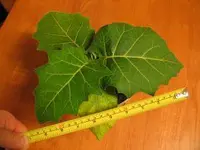
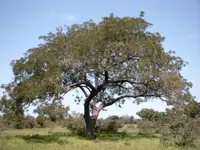
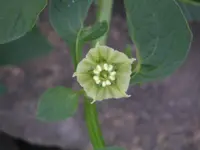
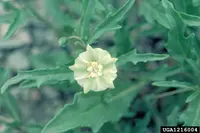
Cocona, Solanum sessiliflorum, is a small, soft-wooded shrub grown for its edible, tomato-like fruits. It belongs to the nightshade family, along with tomato and eggplant.
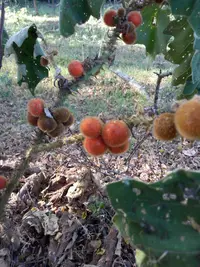
The plant forms a bushy shape with broad, slightly hairy leaves and colorful yellow to orange fruits that ripen on short stalks. It is native to the tropical lowlands of the western Amazon, especially in Peru, Brazil, and Colombia.
Cocona grows best in warm, humid conditions with consistent moisture and fertile, well-drained soil. It prefers bright light and protection from strong wind. These traits make it relatively easy to grow in suitable climates, though cooler or very dry conditions demand more attentive care for cocona.

Care Difficulty
Moderate Care

Light Preference
Full Sun

Water Requirements
Regular Water

Temperature Preference
Tropical / Frost Sensitive

Hardiness Zone
10–12

Soil Texture
Loamy, Sandy, Organic-rich

Soil pH
Acidic (5.5–6.5), Slightly acidic (6.5–7.0)

Soil Drainage
Moist but well-drained

Fertilization
Moderate (every 2–4 weeks)
Scan your plant to receive care tips personalized for your specific plant
Available on iOS and Android
This tropical shrub needs strong, consistent light to flower and fruit well.
This species prefers steadily moist, well-drained soil and reacts quickly to moisture stress.
Stable warmth is essential for strong growth and reliable fruiting.
This species prefers moderately humid air but adapts to typical home and greenhouse conditions.
This plant performs best in loose, fertile, consistently moist soil that drains freely.
This species is well suited to container growing outdoors in warm conditions.
This fruiting shrub benefits from consistent, moderate feeding to support flowering and fruit set when growing cocona.
Solanum sessiliflorum responds well to light, structured pruning that maintains a compact, productive canopy.
This shrub is often grown in the ground but can adapt to containers if handled gently at transplanting.
This species is commonly propagated from seed, which allows production of many uniform young plants.
This tropical shrub is frost-tender and needs protection in regions with cold winters.

Plant Health Check
Not sure what's wrong with your plant? Check your plant's health inside the app.
Cocona is a small shrub domesticated in western Amazonia, particularly in Peru, Colombia, and Brazil, where it has been cultivated for centuries as a minor fruit crop in home gardens and small farms.
The plant produces round to slightly flattened berries that look like small tomatoes, with thin skin and a juicy, aromatic pulp that is typically yellow, orange, or red when ripe and used fresh or processed into juices and jams.
In its native humid lowland tropics, cocona behaves as a short-lived perennial, often remaining productive for only about 2–3 years before yields decline and plants are usually replaced by new plantings.

Cocona is closely related to naranjilla (Solanum quitoense) and other so-called Amazonian solanaceous fruits, and plant breeders have explored these wild and semi-domesticated relatives as a genetic resource for improving fruit quality and stress tolerance in cultivated solanaceous crops such as tomato and eggplant.
Yellowing leaves usually result from overwatering, waterlogged soil, or nutrient deficiencies, especially nitrogen and magnesium. Check drainage, reduce watering if soil stays wet, and apply a balanced fertilizer. Older leaves yellowing first often signal normal aging or mild deficiency.
Keep your plants happy and healthy with plant identification, disease detection, and easy care guidance.