wingleaf soapberry Care (Sapindus saponaria)

wingleaf soapberry

About wingleaf soapberry

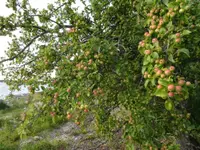
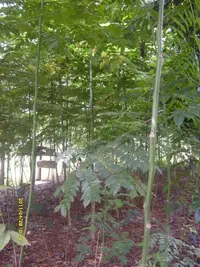
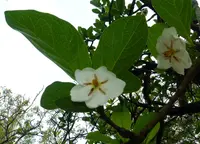
Wingleaf soapberry, Sapindus saponaria, is a medium to large deciduous tree known for its glossy compound leaves and round, yellowish fruits that contain natural saponins. It often forms a broad, open crown and can be used as a shade tree in warm climates.

This species is native to tropical and subtropical regions of the Americas, including parts of the southern United States, Central America, and the Caribbean. It adapts best to full sun, well-drained soil, and moderate moisture.

Its tolerance of heat, drought once established, and relatively low maintenance needs make it moderately easy to grow for experienced gardeners. Understanding how to care for wingleaf soapberry mainly involves providing enough light and space for its mature size.

Main Plant Requirements

Care Difficulty

Moderate Care

Light Preference

Full Sun

Water Requirements

Moderate Water

Temperature Preference

Warm Climate

Hardiness Zone

9–11

Soil Texture

Sandy, Loamy

Soil pH

Slightly acidic (6.5–7.0), Neutral (7.0)

Soil Drainage

Well-drained

Fertilization

Minimal (feed rarely)

Get Personalized Care Plan

Scan your plant to receive care tips personalized for your specific plant

Available on iOS and Android

How to Care for the wingleaf soapberry

This sun-loving tree thrives in bright conditions but adapts to some shade once established, which is important when growing wingleaf soapberry.

  • Provide 6–8 hours of direct sun daily; full sun promotes dense growth and better fruit set.
  • Allow light afternoon shade in very hot climates to reduce leaf scorch, especially on young trees.
  • Avoid deeply shaded sites; persistent shade causes sparse foliage, lanky shoots, and fewer flowers, especially on lower branches.

This drought-tolerant tree prefers deep, infrequent watering once its roots are established in well-drained soil.

  • Water when the top 5–8 cm of soil feel dry, applying a slow, deep soak rather than frequent light sprinkling.
  • Reduce watering in cool seasons; in summer dry spells, watch for dull, folding leaves as a sign Sapindus saponaria needs moisture.
  • Ensure soil drains freely; yellowing leaves, soft new growth, or standing water around roots indicate overwatering and poor aeration.

This subtropical tree prefers warm climates and does not tolerate hard frost or extended cold.

  • Aim for 70–90°F (21–32°C) during active growth, where the tree develops foliage and new shoots most efficiently.
  • Protect from temperatures below 28°F (-2°C); young trees can be damaged or killed by even light freezes.
  • In hot regions with 95–105°F (35–40°C), provide mulch and occasional deep watering to limit heat stress and leaf scorch.

This species tolerates a fairly wide humidity range and usually does not need special humidity management.

  • Aim for 30–60% relative humidity, similar to typical indoor air in many homes.
  • Leaves stay healthy even in slightly dry air, but prolonged very dry conditions can slow growth.
  • If new leaves brown at the tips in heated rooms, group plants together or place a water tray nearby to raise local humidity slightly.

This tree prefers well-drained, moderately fertile soil with a loose, slightly sandy structure.

  • Use a mix of roughly 50% loam or all-purpose potting soil, 25% coarse sand, and 25% compost to balance drainage and nutrients for Sapindus saponaria.
  • Ensure rapid drainage; water should pass through the root zone quickly without leaving the soil waterlogged.
  • Target slightly acidic to neutral pH, around 6.0–7.0, to support nutrient availability and root activity.
  • Improve aeration by incorporating coarse sand or fine bark, and avoid heavy clay or compacted mixes that hold standing water.

This species can be grown in containers when kept as a young tree or managed at a smaller size.

  • Choose a deep, heavy container so the root system anchors well and the tree does not tip in wind.
  • Select a pot material like thick terracotta or concrete if extra weight is needed to stabilize the developing canopy.
  • Allow generous lateral root space, as confined roots in narrow pots dry very fast and limit trunk thickening.

This species grows well in average soils and usually needs only light feeding, especially when young or container-grown wingleaf soapberry trees.

  • Use a balanced slow-release fertilizer (around 10-10-10) or a thin layer of compost in early spring.
  • Feed young or potted plants 1–2 times during the growing season, not more.
  • Apply at half the label rate to avoid excessive, weak growth.
  • Skip or very lightly feed during late fall and winter, when growth slows.

Pruning Sapindus saponaria focuses on structural safety and clearance rather than heavy shaping.

  • Carry out main pruning in late winter or very early spring, before active growth.
  • Remove dead, diseased, or storm-damaged branches using clean, sharp bypass pruners or a pruning saw.
  • Thin crossing or crowded interior branches to improve light penetration and airflow in the canopy.
  • Limit cuts to smaller branches where possible to maintain strong structure and reduce decay risk.

This tree is usually grown in the ground; transplanting young Sapindus saponaria specimens carefully helps establish a stable root system.

  • Transplant in late winter or early spring when the tree is dormant and temperatures are mild.
  • Look for circling roots in containers, slowed growth, or the root ball drying very fast as signs it has outgrown its pot.
  • Shift container plants into a pot 5–8 cm wider, keeping the root flare at soil level and backfilling with well-drained soil.
  • Water deeply after transplanting, then keep soil evenly moist and shade the tree lightly for 1–2 weeks to reduce root stress.

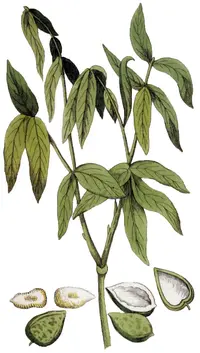
New Sapindus saponaria plants are most often raised from seeds, which have hard coats that slow water uptake.

  • Collect ripe seeds in late fall; clean and dry them before storage or sowing.
  • Scarify seeds by nicking the coat or rubbing with sandpaper, then soak in warm water for 12–24 hours to improve germination.
  • Sow in a deep tray or pots with well-drained mix, keeping temperatures around 70–80°F and soil just moist.
  • Grow seedlings in bright light and good airflow, then harden off outdoors before planting into the landscape.

Mature Sapindus saponaria tolerates light to moderate frost but young trees benefit from some winter protection in colder areas.

  • Apply a 5–8 cm mulch layer around the root zone in late fall, keeping it slightly away from the trunk.
  • In regions with hard freezes, wrap young trunks with breathable tree wrap to limit bark injury.
  • Move container-grown trees into a bright, cool, frost-free space and water sparingly until spring.

Care Tips

Deep root training

In the first 2–3 years, apply water less often but in larger volumes to encourage a deep root system, which improves drought and wind resistance as the tree matures.

Wind and stake management

Stake young trees only in exposed or very windy sites, using loose, flexible ties and removing the stakes after 1–2 years to prevent weak trunk development.

Fruit and litter control

If the tree overhangs walkways or patios, plan for regular seasonal cleanup of fallen fruits and leaves, or prune strategically to keep the canopy away from high-traffic areas to reduce slipping hazards and mess.

Root zone protection

Keep a grass-free, mulched ring 60–90 cm around the trunk to minimize mower and string-trimmer damage to the bark and surface roots, which lowers the risk of pests and decay entering through wounds.

Assess volunteer seedlings

Monitor surrounding beds and lawn for volunteer seedlings after fruit drop and remove or transplant them while small, which makes managing and growing wingleaf soapberry in a controlled way much easier.

Common Pests and Diseases

Scale insects

This pest feeds on stems and twigs, forming small, hard, shell-like bumps that can cause yellowing foliage and dieback on young branches.

Solution

Prune out heavily infested twigs, then treat remaining colonies by scrubbing with a soft brush dipped in dilute soapy water or a light horticultural oil, applied according to label directions. Encourage natural predators and repeat oil sprays during crawler stages for more effective Sapindus saponaria care.

Leaf spot

This disease produces small brown to dark spots on leaves that may coalesce, leading to premature leaf drop in humid or rainy conditions.

Solution

Collect and dispose of fallen leaves, prune for better airflow through the canopy, and avoid overhead irrigation to keep foliage drier. In landscapes with recurring problems, apply a copper-based or other labeled fungicide at the start of the wet season, following local guidelines.

Sooty mold

This disease appears as a black, soot-like coating on leaves and twigs that grows on the honeydew excreted by sap-feeding insects such as scale or aphids.

Solution

Identify and control the underlying honeydew-producing insects using targeted measures like horticultural oils or insecticidal soap. Rinse affected foliage with a strong but gentle stream of water to improve appearance and photosynthesis once insect activity is reduced.

Twig canker

This disease causes sunken, discolored lesions on small branches, leading to dieback of twigs and thinning of the canopy, particularly after drought or mechanical damage.

Solution

Prune out and destroy affected twigs several inches below visible symptoms during dry weather, disinfecting tools between cuts. Reduce plant stress through proper watering during establishment and avoid trunk or branch wounds that provide entry points for pathogens.

Interesting Facts

Natural soap chemistry

The fruits contain high levels of saponins, natural surfactant compounds that foam in water and can dissolve oils, which is why they have been traditionally used as a biodegradable washing agent for fabrics and skin.

Tropical coastal native

This species is native to tropical and subtropical regions of the Americas, often occurring in dry or seasonally dry coastal forests and savannas, where it tolerates high light, heat, and periodic drought.

Wildlife interactions

Its fleshy yellow to orange fruits are eaten by some birds and mammals that help disperse the hard seeds, even though the saponin-rich pulp tastes bitter and is mildly toxic to many herbivores.

Botan icon

Did you know?

Archaeological and ethnobotanical records show that several Indigenous cultures in the Americas used the fruits of this tree as a primary plant-based detergent long before synthetic soaps were developed, giving it lasting cultural importance as a traditional cleaning resource.

FAQs about wingleaf soapberry

Yes, this species is commonly propagated from seeds, but germination is slow. Scarify the hard seed coat and use warm conditions. Seedlings grow steadily once established, so this method suits long-term planting projects and restoration work.

Grow Healthy Plants with Botan Care

Keep your plants happy and healthy with plant identification, disease detection, and easy care guidance.

Botan plant care app — identify plants on mobile

Explore More Plants