Early leader training
In the first 2–3 years, select one strong central leader and remove or shorten competing upright stems to establish a straight trunk and stable tree structure.

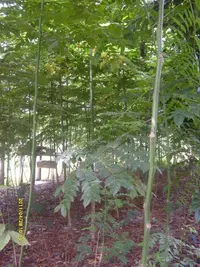
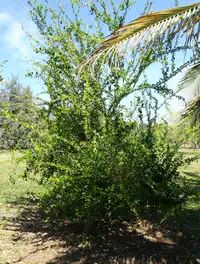
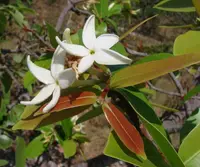
Pink cedar, Acrocarpus fraxinifolius, is a fast-growing deciduous tree valued for its tall, straight trunk and light, feathery foliage. It can form an impressive canopy in suitable climates.
This species is native to the Indian subcontinent and parts of Southeast Asia, where it grows in warm, humid, monsoon-influenced regions. In cultivation, it is often used as a timber or shade tree.
The tree grows rapidly under good conditions but needs space, warmth, and protection from frost, which can limit where it is planted. Understanding how to care for Pink Cedar starts with providing full sun, evenly moist but well-drained soil, and shelter from cold winds.

Care Difficulty
Moderate Care

Light Preference
Full Sun

Water Requirements
Regular Water

Temperature Preference
Tropical / Frost Sensitive

Hardiness Zone
10–11

Soil Texture
Loamy, Silty, Organic-rich

Soil pH
Acidic (5.5–6.5), Slightly acidic (6.5–7.0)

Soil Drainage
Moist but well-drained

Fertilization
Minimal (feed rarely)
Scan your plant to receive care tips personalized for your specific plant
Available on iOS and Android
This fast-growing timber tree prefers strong light from an early age for straight, healthy development.
This species prefers consistently moist but not waterlogged soil, especially during its fast juvenile growth phase.
This tropical tree thrives in warm, frost-free climates and reacts poorly to cold snaps.
This fast-growing tropical tree prefers moderately high, stable humidity to support healthy foliage.
Acrocarpus fraxinifolius grows best in deep, well-structured soil that drains freely yet holds consistent moisture.
This species can be grown in large containers only for the early stages of growth or temporary use.
Acrocarpus fraxinifolius grows fast and responds well to moderate, balanced nutrition in the ground or large containers.
Acrocarpus fraxinifolius benefits from light, structured pruning to maintain a strong form and safe canopy.
This fast-growing timber tree is usually field-grown, so care focuses on timely transplanting from nursery containers to the landscape.
Acrocarpus fraxinifolius is most often propagated from seed under warm, consistently moist conditions.
This tropical to subtropical tree has low frost tolerance and needs protection in regions with cold winters.

Plant Health Check
Not sure what's wrong with your plant? Check your plant's health inside the app.
This species is known as a very fast-growing pioneer tree in warm, high-rainfall regions, often reaching usable timber size much sooner than many other hardwoods under suitable conditions.
Its roots form symbiotic associations with nitrogen-fixing bacteria in the soil, which can improve soil fertility and support better growth of nearby plants in mixed plantings.
The tree develops a tall, straight bole with a broad, open crown and compound leaves that allow high light penetration, making it suitable as a shade and nurse tree in agroforestry systems.

In some coffee and tea-growing regions, this species is deliberately planted as a shade and windbreak tree because its relatively light, filtered canopy protects understory crops while still allowing enough light for high yields.
This species is very fast-growing under warm, moist conditions, often adding 1–3 ft of height per year when young. Growth slows with age and in poor soil, limited water, or cooler climates. Acrocarpus fraxinifolius care strongly influences vigor.
Keep your plants happy and healthy with plant identification, disease detection, and easy care guidance.