Root zone protection
In regions with occasional frost, apply a 5–8 cm layer of coarse gravel or decomposed granite over the root zone to buffer temperature swings and protect fine feeder roots without creating excess moisture retention.

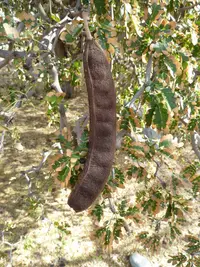
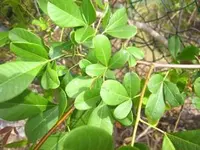
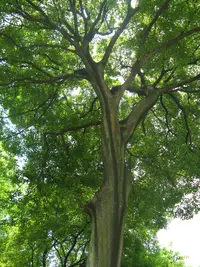
Texas ebony, Ebenopsis ebano, is a slow-growing, thorny tree or large shrub valued for its dense canopy and fine, feathery foliage. In cultivation it often has a compact, sculptural form that suits dry gardens and bonsai. Native to south Texas and northeastern Mexico, it is adapted to hot, sunny, semi-arid environments with seasonal drought. The plant bears fragrant, creamy-white puffball flowers followed by dark, hard seed pods that persist attractively. Thick, leathery leaves and deep roots make it durable but somewhat slow to establish. It prefers full sun, sharply draining soil, and low to moderate moisture, so learning how to care for Texas ebony focuses mainly on controlling water and avoiding overly rich, wet conditions.

Care Difficulty
Moderate Care

Light Preference
Full Sun

Water Requirements
Low Water

Temperature Preference
Warm Climate

Hardiness Zone
9–11

Soil Texture
Sandy, Loamy, Rocky

Soil pH
Slightly acidic (6.5–7.0), Slightly alkaline (7.0–7.5)

Soil Drainage
Well-drained

Fertilization
Minimal (feed rarely)
Scan your plant to receive care tips personalized for your specific plant
Available on iOS and Android
This desert-adapted tree thrives in strong light but benefits from some seasonal protection.
This species is drought tolerant and prefers deep, infrequent watering once established.
This tree is adapted to hot, arid climates but has defined limits for cold tolerance.
This desert-adapted species tolerates low humidity and rarely needs special humidity management indoors.
Ebenopsis ebano prefers mineral, fast-draining soil that mimics arid, gravelly habitats.
This species can be grown in containers, especially as a slow bonsai-like specimen or patio tree in warm climates.
This drought-adapted desert tree needs only light feeding when grown in containers or poor soil.
Pruning helps maintain structure, clearance, and safety in Ebenopsis ebano without compromising its natural form.
This species is usually grown in the ground, so transplanting young trees correctly is more important than frequent repotting.
Seed propagation is the standard method for Ebenopsis ebano and suits both landscape and bonsai use.
This tree is moderately cold tolerant but benefits from some protection in regions with sustained freezes.

Plant Health Check
Not sure what's wrong with your plant? Check your plant's health inside the app.
This species opens its fragrant, cream-colored flowers at night, providing nectar for nocturnal pollinators such as moths and bats in arid scrub habitats of South Texas and northeastern Mexico.
The tree develops a deep taproot and dense, heavy wood, allowing it to survive prolonged drought on rocky, alkaline soils where many other woody plants cannot persist.
Mature branches bear stout spines, and the hard, woody seed pods contain seeds that are difficult for many animals to break, an adaptation that helps protect its relatively large seeds from over-predation.

Mature individuals can form nearly impenetrable thickets that serve as important shelter for wildlife, including the endangered ocelot in South Texas, by providing dense cover in otherwise open thornscrub landscapes.
Growth is generally slow to moderate, often 15–30 cm per year in landscape conditions. Speed depends on heat, sun, and soil quality. Consistent water during establishment and mulch over the root zone support growing Texas ebony more vigorously.
Keep your plants happy and healthy with plant identification, disease detection, and easy care guidance.