Basket selection
Choose a hanging basket with a wide diameter but shallow depth so the fibrous roots can spread laterally, and use a rigid hanger so the long shoots can drape without kinking at the rim.

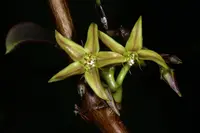
Ischnolepis natalensis, commonly called propeller vine, is a twining, semi-succulent climber grown mainly for its unusual whorled leaves and slender trailing stems. It is typically used in hanging baskets or trained on small trellises, where the leaf arrangement creates a distinctive propeller-like effect.
This species comes from rocky slopes and scrub habitats in South Africa, so it is adapted to bright light, good air movement, and periods of dryness. Its drought tolerance and relatively slow, neat growth make it moderate in difficulty, suited to growers who can care for Propeller Vine with consistent but not excessive attention.
It generally prefers bright, indirect light, a free-draining soil mix, and careful watering that allows the roots to dry slightly between waterings.

Care Difficulty
Moderate Care

Light Preference
Bright Indirect Light

Water Requirements
Moderate Water

Temperature Preference
Tropical / Frost Sensitive

Hardiness Zone
10–11

Soil Texture
Sandy, Loamy, Organic-rich

Soil pH
Acidic (5.5–6.5), Slightly acidic (6.5–7.0)

Soil Drainage
Well-drained

Fertilization
Light (every 4–6 weeks)
Scan your plant to receive care tips personalized for your specific plant
Available on iOS and Android
This species prefers bright, indirect light similar to bright woodland edges.
Watering should balance moderate moisture with excellent drainage to protect the roots.
This plant favors mild, frost-free conditions with warm growing-season temperatures.
This species handles typical indoor humidity but benefits from slightly elevated levels.
This plant prefers a loose, fast-draining mix that stays lightly moist but never saturated.
This species is well suited to container growing when the pot supports its trailing habit and root form.
Ischnolepis natalensis responds well to light, consistent feeding during its active growing season.
Ischnolepis natalensis benefits from modest pruning to maintain a tidy, vigorous plant.
Container-grown Ischnolepis natalensis prefers occasional repotting to refresh soil and manage root growth.
Ischnolepis natalensis is most often propagated from stem cuttings taken during active growth.
Ischnolepis natalensis is frost sensitive and needs mild winter conditions, especially in containers.

Plant Health Check
Not sure what's wrong with your plant? Check your plant's health inside the app.
This species often grows on rocky slopes and cliff faces in its native range in KwaZulu-Natal, South Africa, anchoring in shallow crevices where organic debris collects.
It forms thickened tuberous roots that store water and nutrients, an adaptation that helps it survive seasonal drought in its coastal forest and scrub habitats.
The star-shaped white flowers open more fully and become more fragrant in the evening, a trait that suggests adaptation to nocturnal pollinators such as moths.
This species is a twining climber that wraps around nearby supports rather than clinging with aerial roots. In the absence of support, stems trail and sprawl, making it suitable for trellises, obelisks, or cascading from containers and baskets.
Keep your plants happy and healthy with plant identification, disease detection, and easy care guidance.