Chinese Evergreen Care (Aglaonema 'Silver Queen')

Chinese Evergreen

About Chinese Evergreen

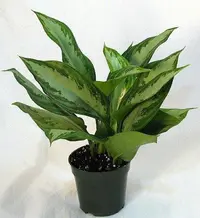
Chinese evergreen Aglaonema 'Silver Queen' is a compact tropical foliage plant grown mainly for its patterned leaves. It is widely used as an indoor plant in homes and offices.

The plant has narrow, lance-shaped leaves with silver and green variegation, forming a dense, upright clump rather than a vining habit. It grows naturally in the shady understory of tropical forests in Southeast Asia.

This background explains its preference for moderate, indirect light, evenly moist but not soggy soil, and stable indoor temperatures. These traits make it relatively forgiving, so learning how to care for Chinese Evergreen is manageable even for beginners.

Main Plant Requirements

Care Difficulty

Easy Care

Light Preference

Bright Indirect Light

Water Requirements

Moderate Water

Temperature Preference

Tropical / Frost Sensitive

Hardiness Zone

10–11

Soil Texture

Loamy, Peaty, Organic-rich

Soil pH

Acidic (5.5–6.5), Slightly acidic (6.5–7.0)

Soil Drainage

Moist but well-drained

Fertilization

Light (every 4–6 weeks)

Get Personalized Care Plan

Scan your plant to receive care tips personalized for your specific plant

Available on iOS and Android

How to Care for the Chinese Evergreen

Aglaonema 'Silver Queen' prefers soft, filtered light that mimics a bright forest floor.

  • Provide bright, indirect light for 6–8 hours per day; east-facing windows with gentle morning sun work well for Chinese Evergreen types.
  • Tolerates partial to deep shade, but very low light slows growth and reduces variegation; move slightly closer to a window if new leaves emerge small and dark.
  • Avoid harsh midday or strong afternoon sun, which can scorch leaves; in summer shift the plant back from hot windows or use sheer curtains.

Aglaonema 'Silver Queen' prefers evenly moist but never soggy soil.

  • Water when the top 2–4 cm of soil feels dry, using enough water to moisten the whole root zone, then let excess drain completely.
  • In spring and summer, expect to water more often as growth and evaporation increase; in fall and winter, extend the drying period between waterings.
  • Watch for yellowing, mushy leaves or a sour smell as signs of overwatering, and crisp edges or drooping, thin leaves as signs of underwatering; adjust frequency accordingly.

This tropical foliage plant thrives in stable, warm conditions without sudden temperature swings.

  • Aim for 65–80°F (18–27°C) for steady growth; short exposures down to about 60°F (16°C) are usually tolerated but not ideal.
  • Protect from cold drafts, open windows in winter, and unheated spaces, since damage often appears if temperatures drop near 50°F (10°C) or below.
  • In hot spells above 85°F (29°C), increase air movement and shade from intense sun to limit heat stress, but avoid placing the plant near drying heater or AC vents.

This plant prefers moderately humid air but usually adapts to typical home conditions.

  • Aim for 40–60% humidity; it tolerates occasional dips but prolonged very dry air slows growth.
  • Crisp brown leaf edges, curling, and stalled new leaves indicate humidity stress in Chinese Evergreen.
  • Increase humidity with a nearby humidifier, grouping plants together, or placing the pot on a pebble tray above (not in) water.

Aglaonema 'Silver Queen' grows best in a loose, airy, organic-rich potting medium with reliable drainage.

  • Use a peat- or coco-coir-based houseplant mix amended with perlite and fine bark to create a chunky, well-aerated texture.
  • Aim for slightly acidic to neutral pH, around 6.0–7.0, which supports balanced nutrient availability and root health.
  • Ensure rapid drainage so water flows through within seconds; the mix should feel lightly moist after watering, never soggy or compacted.
  • Avoid heavy garden soil, straight compost, or dense mixes that stay wet for days, as these increase the risk of root rot.

This species is very suitable for container growing in homes and offices.

  • Choose a pot only 2–5 cm wider than the root ball to prevent excess unused mix from staying wet near the roots.
  • Select a stable, heavier container if the foliage becomes dense, to reduce the risk of tipping when the plant is bumped.
  • Use slightly porous materials like unglazed ceramic if the environment is humid, to let the mix dry more evenly between waterings.

This Chinese Evergreen benefits from modest, steady feeding during active growth.

  • Use a balanced liquid fertilizer (around 10-10-10 or 20-20-20) diluted to 1/2–1/4 strength.
  • Feed every 4–6 weeks in spring and summer, when growth is strongest.
  • Skip compost-heavy mixes that stay wet; choose well-draining soil with optional slow-release pellets.
  • Reduce or stop fertilizing in fall and winter when growth slows.

Pruning supports a neat shape and removes weak growth in Aglaonema 'Silver Queen'.

  • Prune in spring or early summer, when the plant is actively growing.
  • Use clean, sharp scissors or pruners to remove yellow, brown, or damaged leaves at the base.
  • Thin crowded stems to improve light penetration and encourage fuller, bushier growth.
  • Cut back long, leggy stems just above a node to stimulate new shoots.

Repotting keeps this plant healthy by renewing soil and giving roots room to grow.

  • Check for roots circling the pot, pushing through drainage holes, or noticeably slowed growth.
  • Plan to repot every 2–3 years in spring, moving to a container 2–5 cm wider.
  • Gently loosen circling roots and trim only broken or rotten sections to reduce stress.
  • Water lightly after repotting, keep in bright, indirect light, and avoid heavy feeding for 4–6 weeks.

Propagation of Aglaonema 'Silver Queen' is most successful through division and stem cuttings.

  • Divide clumps in spring, separating sections with several stems and healthy roots.
  • For stem cuttings, use 8–12 cm segments with at least 1–2 nodes.
  • Root cuttings in warm (70–80°F), bright, indirect light using water or a moist, well-draining mix.
  • Maintain high humidity and stable moisture, avoiding waterlogging, until strong new roots form.

This tropical houseplant needs protection from cold conditions in winter.

  • Keep indoor temperatures around 65–75°F and avoid drafts from doors or windows.
  • Do not expose the plant to frost; leaves suffer damage below about 55°F.
  • Reduce watering slightly in winter, allowing the top 2–3 cm of soil to dry before rewatering.
  • If grown outside in mild climates, move containers indoors before nighttime temperatures drop below 55°F.

Care Tips

Rotate For Symmetry

Turn the pot 90° every 2–3 weeks to keep the plant growing evenly and prevent leaning toward the main light source, which maintains a compact, balanced form.

Leaf Cleaning Routine

Wipe each leaf with a barely damp, soft cloth every 3–4 weeks to remove dust, which improves light capture and allows faster detection of pests or disease spots.

Check Crown Airflow

Gently lift and separate the central leaves every month to ensure the crown area dries between waterings, reducing the risk of fungal rot in the dense center of the plant.

Division At Repotting

When roots fill the pot, divide the plant into 2–3 clumps using a clean, sharp knife, then pot each section separately to rejuvenate growth and create fuller individual specimens.

Quarantine New Plants

Isolate any new houseplants for 10–14 days in a different room before placing them nearby, which helps protect your existing collection when caring for Chinese Evergreen by preventing hidden pests from spreading.

Common Pests and Diseases

Spider mites

This pest often appears on Aglaonema during warm, dry indoor conditions and causes tiny yellow speckling and dull, dusty-looking foliage. Symptoms include fine webbing on leaf undersides and along stems.

Solution

Rinse foliage thoroughly with lukewarm water, focusing on leaf undersides, then repeat every few days for 1–2 weeks. For heavier infestations, use an insecticidal soap or neem oil spray labeled for houseplants and slightly raise humidity (40–60%) to make conditions less favorable for mites.

Mealybugs

These insects hide in leaf axils and along stems, producing white, cottony masses and sticky honeydew that can lead to sooty mold. This pest weakens the plant and can stunt new growth.

Solution

Isolate the plant, then dab visible mealybugs with cotton swabs dipped in 70% isopropyl alcohol and wipe affected areas. Follow up with a thorough application of insecticidal soap or neem oil every 7–10 days until no new insects are seen, checking closely around leaf bases and along the midrib.

Scale insects

These insects appear as small, tan to brown bumps on stems and leaf midribs and do not move when touched. Symptoms include sticky honeydew, yellowing leaves, and gradual decline in vigor.

Solution

Gently scrape or peel off visible scales with a fingernail or soft tool, then wipe stems and midribs with a cloth lightly moistened with 70% isopropyl alcohol. After mechanical removal, apply a systemic or contact insecticide formulated for indoor foliage plants according to label directions and repeat as needed to control emerging juveniles.

Bacterial leaf spot

This disease causes translucent, water-soaked spots on leaves that turn brown with yellow halos, often starting on older foliage or where water sits. Symptoms include irregular lesions that may coalesce, leading to large dead patches on leaves.

Solution

Remove and discard affected leaves, avoid overhead watering, and keep foliage dry by watering directly into the potting mix. Improve air circulation, reduce leaf crowding, and, if spread continues, use a copper-based bactericide labeled for ornamental foliage plants, following label instructions carefully.

Anthracnose leaf blight

This disease produces tan to dark brown, often V-shaped lesions along leaf edges and tips, sometimes with a darker border. Symptoms include progressive blighting of leaf margins, especially in plants kept too wet or crowded with poor airflow.

Solution

Prune out and dispose of affected leaves and reduce overall moisture on foliage by watering at the soil level. Improve spacing and air movement around the plant, and if conditions remain favorable for disease, apply a fungicide labeled for anthracnose on ornamentals, repeating at the interval specified on the product label as part of broader Chinese Evergreen indoor care.

Interesting Facts

Highly variegated leaves

The foliage of this cultivar shows a strong contrast of silver-gray and green due to a genetic mutation affecting chlorophyll distribution, making it noticeably paler and more patterned than most other aglaonemas.

Shade-tolerant ancestry

This plant descends from species native to shaded understories of tropical Asian forests, which explains its ability to maintain growth and leaf color even in relatively low indoor light compared with many other houseplants.

Slow, compact growth

Compared with many foliage houseplants, this cultivar grows slowly and forms a dense clump of short stems, a trait selected by growers to keep the plant proportionate and suitable for long-term container culture indoors.

Botan icon

Did you know?

This cultivar became especially popular in the late 20th century in air-conditioned offices and shopping centers because its pale, reflective leaves help maintain an attractive appearance even under older, low-output fluorescent lighting that caused many darker-leaved plants to lose color or decline.

FAQs about Chinese Evergreen

Brown, crispy edges usually come from low humidity, excess fertilizer salts, or prolonged dryness at the roots. Flush the pot thoroughly, trim damaged tips, maintain moderate humidity, and keep moisture even but not soggy.

Grow Healthy Plants with Botan Care

Keep your plants happy and healthy with plant identification, disease detection, and easy care guidance.

Botan plant care app — identify plants on mobile

Explore More Plants