Giant Palm Care (Raphia australis)

Also known as: Kosi Palm, Rafia
Giant Palm

About Giant Palm

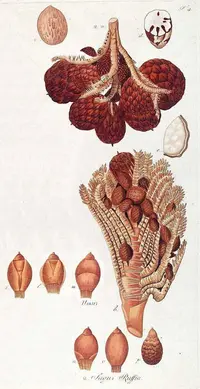
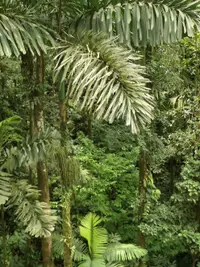
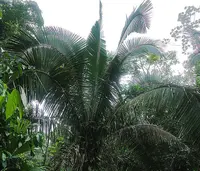
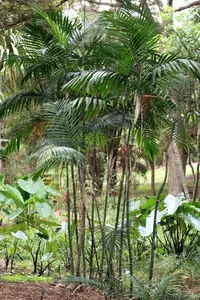
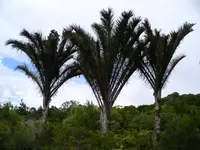
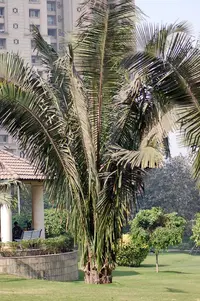
Giant palm (Raphia australis) is a large, clustering palm known for its enormous, feather-like leaves that can create a bold tropical canopy. It is native to moist coastal and riverine habitats of southeastern Africa. The plant tends to form dense clumps with a strong architectural presence, so it is better suited to spacious gardens or large indoor atriums. Its size and preference for constantly moist conditions mean it is not a low-maintenance choice. Those who want to learn how to care for Giant Palm should know it prefers bright light, warm temperatures, and rich, evenly moist soil with good drainage.

Main Plant Requirements

Care Difficulty

Hard Care

Light Preference

Partial Shade

Water Requirements

Keep Soil Moist

Temperature Preference

Tropical / Frost Sensitive

Hardiness Zone

10–11

Soil Texture

Loamy, Silty, Organic-rich

Soil pH

Acidic (5.5–6.5), Slightly acidic (6.5–7.0)

Soil Drainage

Waterlogged tolerant

Fertilization

Minimal (feed rarely)

Get Personalized Care Plan

Scan your plant to receive care tips personalized for your specific plant

Available on iOS and Android

How to Care for the Giant Palm

Raphia australis needs bright, indirect light with protection from harsh midday sun.

  • Provide 4–6 hours of soft morning sun or bright, filtered light under taller trees or shade cloth.
  • Tolerates partial shade, but growth slows and fronds stretch if light stays below 3–4 hours of bright exposure daily.
  • Avoid strong afternoon sun, which can scorch fronds and bleach color; in summer, increase shade slightly if leaf tips brown or curl.

This species prefers consistently moist, not waterlogged, soil around its extensive root system.

  • In the growing season, water when the top 3–5 cm of soil feels barely moist, aiming to keep deeper soil evenly damp.
  • Use deep, infrequent soaking rather than light splashes, and ensure excellent drainage so water does not stand around the trunk base.
  • Reduce frequency in cooler months, watching for overwatering signs like sour smell or soft, yellowing leaf bases versus crisp brown tips from drought.

This palm thrives in warm, humid climates and reacts poorly to cold snaps or frost.

  • Ideal growth occurs around 68–86°F (20–30°C), typical of tropical to subtropical conditions with mild seasonal variation.
  • Short dips to 50°F (10°C) are usually tolerated, but growth slows; prolonged exposure below 45°F (7°C) can damage fronds.
  • Raphia australis is not frost-hardy and should be shielded from freezing temperatures, while hot periods above 95°F (35°C) require extra water and mulch to protect roots.

This large palm prefers consistently moist, high-humidity air to mimic its swampy native habitat.

  • Aim for 60–80% humidity; it tolerates brief drops to 40–50% but prolonged dry air slows growth.
  • Low humidity shows as browning tips, crispy leaflet edges, and reduced new frond expansion.
  • Increase humidity with grouped plants, large pebble trays under containers, or a room humidifier near the Giant Palm.

Raphia australis needs deep, moisture-retentive but aerated soil to support its extensive root system and rapid biomass.

  • Use a loamy, organic-rich mix such as 50% composted bark and leaf mold, 30% peat or coco coir, and 20% coarse sand or perlite.
  • Aim for slightly acidic to neutral pH around 6.0–7.0, which keeps nutrients available and reduces micronutrient lockout.
  • Ensure slow but steady drainage; soil should stay evenly damp but never stagnant or foul-smelling.
  • Avoid heavy clay, compacted ground, or mixes dominated by fine peat that stay waterlogged and exclude oxygen from roots.

This species is only marginally suitable for container growing and usually performs better in the ground due to its eventual size.

  • Select the deepest, heaviest container available to resist tipping from tall, wind-catching fronds.
  • Use a wide base or weighted pot to stabilize the expanding crown and prevent shifting during storms.
  • Elevate the container slightly on feet or bricks so drainage holes clear the surface and water can exit freely.

This large palm responds to light feeding but can survive on poor soils once established.

  • Use a balanced slow-release fertilizer (around 10-10-10) or well-rotted compost at the start of the warm growing season.
  • Feed young or container-grown Giant Palm every 8–10 weeks during active growth, keeping the dose modest.
  • Reduce or stop fertilizer in cooler months when growth slows, especially in winter.
  • Apply at half the label strength on sandy or nutrient-poor soils to limit salt buildup around the roots.

Pruning Raphia australis focuses on safety and tidiness rather than shaping.

  • Carry out pruning in late winter or early spring before strong new growth begins.
  • Remove dead, damaged, or diseased fronds first, cutting them cleanly near the base without injuring the trunk.
  • Thin overcrowded or severely drooping fronds only when necessary, as heavy removal can stress the palm.
  • Use sharp loppers or a pruning saw, and disinfect blades between cuts to reduce disease spread.

Transplanting this massive palm is challenging and should be done only when clearly needed.

  • Look for roots circling the container, slowed growth, or frequent wilting as signs a young plant needs a larger pot or ground planting.
  • Plan transplanting for late spring or early summer, when soil is warm and recovery is quickest.
  • Expect container-grown plants to need up-potting only every 2–3 years while still small, then a final move into open ground.
  • Minimize root stress by watering thoroughly before and after moving, keeping the root ball intact, and shading the plant for 1–2 weeks.

Propagation of Raphia australis is usually done from seed and is slow and specialized.

  • Collect fresh, ripe seeds and sow them soon after harvest, as viability drops with storage.
  • Sow in a deep, well-drained, sterile mix kept consistently moist but not waterlogged.
  • Maintain warm conditions around 77–86°F and provide bright, indirect light to support germination.
  • Expect very slow, uneven germination and limited success; this species is rarely multiplied by home growers.

This palm is highly frost-sensitive and needs careful winter management in cooler climates.

  • Grow in frost-free zones or in large containers that can be moved indoors or into a heated greenhouse before temperatures drop near 40°F.
  • Mulch the root zone with a 5–10 cm layer of coarse organic material to buffer soil temperature.
  • In marginal climates, wrap the crown and trunk with breathable horticultural fleece during short cold spells.

Care Tips

Early trunk support

Install stout, rot-resistant stakes or a low wooden frame around young plants so the developing trunk and massive fronds are supported before wind or their own weight can cause leaning or root disturbance.

Controlled root room

When planting near paths or structures, use a deep, open-bottom root barrier set 60–80 cm from the planting hole to keep the vigorous root system from heaving paving or crowding neighboring trees while still allowing deep anchoring.

Frond management plan

Schedule removal of only fully dead or structurally hazardous fronds once or twice per year, leaving healthy green fronds intact to maintain photosynthesis and prevent trunk sunscald on exposed sides.

Safe access paths

Design permanent access routes, such as stepping stones or a compacted mulch path, around the planting area early on so heavy, spiny fronds can be reached safely for inspections and maintenance without damaging surrounding planting beds.

Storm preparation routine

In regions with strong winds or tropical storms, pre-emptively tie the longest outer fronds together in loose bundles with soft horticultural ties and check anchor roots for movement to reduce mechanical damage and uprooting risk when growing Giant Palm.

Common Pests and Diseases

Scale insects

This pest attaches to the fibrous leaf bases and leaf undersides, sucking sap and causing yellowing, sticky honeydew, and sooty mold on large fronds. Heavy infestations can weaken the palm and slow new growth.

Solution

Remove heavily infested frond sections and gently scrub remaining colonies with a soft brush and diluted insecticidal soap, focusing on leaf bases and midribs. Improve light and air movement around the crown, and repeat treatments every 7–10 days until no new scales appear; horticultural oil can be used in mild weather to smother persistent insects.

Mealybugs

These insects hide in the dense leaf bases and along the rachis, forming white cottony clusters that excrete honeydew and attract sooty mold. Symptoms include distorted new leaflet growth and gradual decline in vigor, especially in container-grown plants.

Solution

Isolate affected plants, then swab visible mealybugs with cotton dipped in isopropyl alcohol before washing fronds and leaf bases with insecticidal soap. For large or landscape specimens, direct a strong water spray into leaf bases and apply a systemic insecticide labeled for palms if populations rebuild after 2–3 topical treatments.

Palm leaf spot

This disease causes tan to dark-brown spots or streaks on the long leaflets, often with a yellow halo, which can merge into larger blighted patches in humid, poorly ventilated sites. Symptoms include premature leaflet browning and an overall ragged frond appearance.

Solution

Prune and remove affected fronds or leaflet sections, keeping cuts dry and clean, and dispose of infected material away from the planting area. Reduce overhead watering, increase spacing and airflow around the palm, and, in persistent cases, apply a copper-based fungicide labeled for palms at intervals recommended on the product label during warm, humid periods.

Lethal yellowing-like decline

This disease presents as a gradual yellowing and collapse of lower fronds, followed by browning of the spear (central emerging leaf) and eventual crown death in warm coastal areas where phytoplasma diseases occur. Symptoms include failure of new fronds to open normally and a sudden stop in growth.

Solution

Once the spear leaf dies, affected palms usually cannot be saved and should be removed promptly to reduce risk to nearby palms. In regions where phytoplasma diseases are confirmed, monitor for early yellowing, remove severely affected specimens, and consult local extension services about resistant planting options and any approved systemic antibiotic trunk injections for high-value landscape trees.

Interesting Facts

World’s longest leaves

This South African palm produces some of the longest leaves of any plant, with individual pinnate fronds documented at more than 20 m in length in its natural habitat.

Swamp-edge specialist

It naturally grows along the margins of coastal swamps and river floodplains in subtropical eastern South Africa, where its dense stands help stabilize banks and provide habitat structure for birds and other wildlife.

Economically valued fibers

The leaf stalks and frond fibers are traditionally harvested and used locally for weaving and tying materials, similar to other raffia palms, making it a minor but regionally important non-timber resource.

Botan icon

Did you know?

Raphia australis is often cited as producing the longest leaves in the plant kingdom, a notable record that has made it a reference species in botanical discussions of extreme leaf size.

FAQs about Giant Palm

Yellowing usually comes from overwatering, root rot, nutrient deficiency, or natural aging of the oldest fronds. Check drainage, let the top soil layer dry between waterings, inspect roots, and apply a balanced palm fertilizer if needed.

Grow Healthy Plants with Botan Care

Keep your plants happy and healthy with plant identification, disease detection, and easy care guidance.

Botan plant care app — identify plants on mobile

Explore More Plants