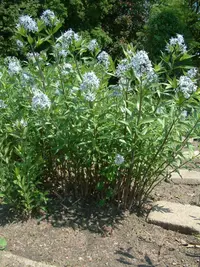
fire pink Care (Silene virginica)

fire pink

About fire pink

Fire pink, Silene virginica, is a short-lived perennial wildflower native to open woods, rocky slopes, and roadsides in eastern North America. It belongs to the carnation family and forms loose clumps of slender stems.

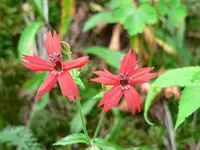
The plant is best known for its bright scarlet, deeply notched star-shaped flowers that attract hummingbirds and other pollinators. Foliage is narrow, slightly sticky to the touch, and usually forms a low base with upright flowering stems above.

Fire pink prefers sunny to lightly shaded sites with well-drained, often rocky or sandy soil and moderate moisture. These traits make it moderately easy to grow if its need for drainage and light is respected, and understanding how to care for fire pink helps it live longer in garden settings.

Main Plant Requirements

Care Difficulty

Moderate Care

Light Preference

Partial Sun

Water Requirements

Moderate Water

Temperature Preference

Cold Hardy

Hardiness Zone

4–9

Soil Texture

Sandy, Loamy, Rocky

Soil pH

Acidic (5.5–6.5), Slightly acidic (6.5–7.0)

Soil Drainage

Well-drained

Fertilization

Minimal (feed rarely)

Get Personalized Care Plan

Scan your plant to receive care tips personalized for your specific plant

Available on iOS and Android

How to Care for the fire pink

This sun-loving perennial thrives in bright, direct light with some seasonal flexibility.

  • Provide 6–8 hours of full sun daily; morning sun with light afternoon shade is ideal in hotter regions for fire pink.
  • In cooler climates, all-day sun is suitable, but in areas above USDA zone 7, protect from harsh west-facing afternoon exposure.
  • If stems elongate, blooms decrease, or plants lean toward brighter areas, light is insufficient; reduce dense shade from shrubs or trees.

This species prefers evenly moist but never soggy soil, especially during establishment and flowering.

  • Allow the top 3–5 cm of soil to dry before watering, then water deeply so moisture reaches the root zone, not just the surface.
  • In spring and early summer, monitor more closely during dry spells; in cool or rainy periods, skip watering to avoid prolonged saturation.
  • Yellowing, limp foliage and a sour soil smell suggest overwatering, while drooping, faded leaves and dry, cracked soil indicate the need to water Silene virginica.

This hardy perennial tolerates a wide temperature range but performs best with moderate seasonal conditions.

  • Active growth and flowering are strongest at 60–75°F (16–24°C), typical of spring and early summer in many temperate regions.
  • Established plants survive winter lows near 0°F (−18°C) under mulch, though foliage dies back and regrows from the crown in spring.
  • Short heat waves up to 90°F (32°C) are tolerated if soil does not dry out completely, but prolonged extreme heat can reduce flowering and stress plants.

Humidity is rarely a concern for this species in typical outdoor garden conditions.

Silene virginica prefers lean, well-aerated mineral soils that do not stay wet after rain.

  • Use sandy or gravelly loam with 20–30% coarse sand or grit to keep the root zone dry and oxygenated.
  • Incorporate only a thin layer of compost, as overly rich organic soil encourages weak, floppy growth and fewer flowers.
  • Aim for slightly acidic to neutral pH, around 6.0–7.0, and avoid heavy clay that compacts and holds water.
  • If soil tends to stay wet, create a raised berm or bed to improve drainage and prevent root rot.

This species can be grown in containers outdoors if drainage and root conditions are carefully controlled.

  • Choose a pot at least 25–30 cm deep to accommodate the taproot and prevent stress during hot periods.
  • Use a gritty mix with extra coarse sand or fine gravel so water drains within minutes after watering.
  • Place the container where rain and irrigation do not pool around the base, as standing water quickly damages the root system of fire pink.

Silene virginica is a light feeder that benefits from modest nutrition in lean soils.

  • Apply a balanced, slow-release fertilizer (around 10-10-10) at half strength once in early spring as new growth begins.
  • In average or fertile garden soil, use a thin layer of compost instead of repeated granular feeding.
  • Skip additional fertilizer during midsummer onward unless growth is clearly weak or foliage is pale.
  • Stop feeding in late summer and do not fertilize during winter dormancy to avoid soft, frost-prone growth.

Pruning Silene virginica focuses on maintaining bloom quality and a tidy clump.

  • Deadhead spent flowers in late spring and early summer using clean scissors or hand pruners to extend blooming.
  • Remove dead, diseased, or storm-damaged stems whenever noticed to reduce disease pressure.
  • Thin out crowded, floppy stems after flowering to improve air movement and keep a compact shape.
  • Cut back old, dry foliage close to the crown in late fall or very early spring before new shoots emerge.

This species is most often grown in garden beds, where transplanting is only occasionally needed.

  • Transplant in early spring or early fall when temperatures are mild and soil is workable.
  • Move plants if growth declines, clumps become congested, or roots circle inside a container.
  • Lift with a wide root ball, disturb roots as little as possible, and replant at the same depth in well-drained soil.
  • Water thoroughly after transplanting, then keep soil evenly moist but not waterlogged for 2–3 weeks to limit root stress.

Silene virginica is commonly propagated by seed and by careful division of established clumps.

  • Sow fresh seeds in late fall or early spring outdoors; natural winter chilling improves germination.
  • Provide light, well-drained soil and consistent moisture; avoid heavy cover over the seeds, as they need some light.
  • Divide mature clumps in early spring, keeping several shoots and roots together in each division.
  • Replant divisions promptly, water well, and shade lightly for a few days to support re-establishment.

This native perennial is cold hardy in much of its range and generally needs minimal winter care.

  • Tolerates typical frosts in USDA zones where it is commonly grown once established.
  • After foliage dies back, leave stems standing or trim lightly; do not disturb the crown in wet, freezing periods.
  • Apply a light mulch layer (2–5 cm) over the root zone in late fall, especially for first-year or container-grown plants.
  • In colder regions, move containers into a sheltered, unheated space to prevent repeated freeze–thaw of the rootball.

Care Tips

Encourage Bushier Clumps

Pinch back the soft shoot tips of young plants once in spring to encourage branching, which creates fuller clumps and more flowering stems later in the season.

Use Light Grit Mulch

Apply a thin mulch layer of fine gravel or coarse sand around the crowns instead of organic mulch to keep the root zone cool while preventing rot in this taprooted species.

Protect Taproot During Division

If clumps become crowded, divide only in early spring and lift large sections carefully with a fork, keeping the long taproots as intact as possible to reduce transplant shock.

Support In Windy Sites

In exposed beds, place a low, open plant ring or discreet twiggy branches around the clump early in the season so stems grow through and remain upright when flowering.

Plan For Reseeding

Allow some seed heads to ripen and fall where plants perform well, then gently loosen the soil surface around the mother plant in late summer to improve self-sowing and maintain a natural colony when growing fire pink.

Common Pests and Diseases

Leaf spot

This disease causes small brown to purplish spots on leaves that may enlarge and merge, leading to premature leaf yellowing and drop. Symptoms include more damage in wet, crowded plantings or in shade with poor air movement.

Solution

Remove and discard affected leaves to reduce inoculum, and avoid overhead watering so foliage dries quickly. Thin or divide clumps to improve airflow, water at soil level, and if leaf spot recurs severely, apply a labeled copper or chlorothalonil fungicide in early spring as a preventative for Silene virginica care instructions in humid regions.

Powdery mildew

This disease produces a white, powdery film on upper leaf surfaces and sometimes on stems, which can cause distorted growth and reduced vigor. Symptoms include worse outbreaks in dense plantings with warm days and cool nights.

Solution

Increase spacing between plants, remove heavily infected leaves, and water at the base to keep foliage dry. In gardens with recurrent problems, start preventive treatments with a sulfur or potassium bicarbonate fungicide when new growth emerges, and avoid excessive nitrogen fertilization that encourages soft, susceptible foliage.

Aphids

These insects cluster on tender stems and flower stalks, sucking plant sap and causing curling or distorted leaves and sticky honeydew deposits. This pest can also attract sooty mold and may stunt new growth if populations are high.

Solution

Dislodge colonies with a strong stream of water and pinch off heavily infested shoot tips. Encourage beneficial insects, and if needed, treat with insecticidal soap or a light horticultural oil, making sure to coat the undersides of leaves and repeating every 5–7 days until numbers drop.

Spider mites

These pests are tiny sap-feeding arachnids that cause stippled, speckled leaves that may look dull or bronzed, often with fine webbing between stems and foliage. This pest becomes more problematic in hot, dry conditions, especially in full-sun sites with heat reflection.

Solution

Spray foliage thoroughly with a firm stream of water, including leaf undersides, to knock mites off and raise local humidity. For persistent infestations, use insecticidal soap or horticultural oil at labeled rates, repeating at 5–7 day intervals and avoiding treatments during very high temperatures to prevent leaf burn.

Rust

This disease forms small orange to brown pustules on leaf undersides, sometimes with yellowing on the upper surface and early leaf drop. Symptoms include more severe damage on plants kept too dense or in consistently damp conditions.

Solution

Remove and destroy infected leaves as soon as they are noticed and keep the area around plants free of fallen debris. Improve air circulation by thinning stems, water in the morning at soil level, and in sites with a history of rust, consider a preventive application of a labeled rust-control fungicide early in the season.

Interesting Facts

Specialized pollinator timing

The bright red, deeply notched petals of this species open fully in daylight and peak in nectar production at dusk, closely matching the foraging schedule of ruby-throated hummingbirds that often pollinate it.

Fire-adapted woodland native

This plant is naturally found on rocky ledges, open woodlands, and dry slopes in eastern North America, where it often benefits from occasional fire that reduces shade and competing vegetation.

Sticky protective hairs

Its stems and calyces bear glandular hairs that produce a sticky secretion, which can trap small insects and is thought to help protect the flowers from herbivores and nectar thieves, though it does not digest prey like a carnivorous plant.

Botan icon

Did you know?

Genetic and field studies show that this species and certain closely related red-flowered Silene species form part of a classic evolutionary example of pollinator-driven divergence, where shifts between hummingbird and moth pollination have contributed to distinct flower color, shape, and nectar traits within the group.

FAQs about fire pink

Poor flowering often comes from too much shade, excess fertilizer, or plants that are still immature. Ensure at least a few hours of direct sun, avoid high-nitrogen feeding, and do not remove basal foliage during the growing season.

Grow Healthy Plants with Botan Care

Keep your plants happy and healthy with plant identification, disease detection, and easy care guidance.

Botan plant care app — identify plants on mobile

Explore More Plants