BotaN logo

downy phlox Care (Phlox pilosa)

Also known as: prairie phlox
downy phlox

About downy phlox

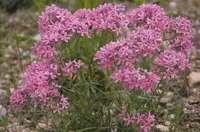
Downy phlox, Phlox pilosa, is a perennial wildflower native to prairies, open woodlands, and roadsides across central and eastern North America. It forms upright, clumping stems that create soft drifts of color in bloom.

Plants typically carry narrow, slightly hairy leaves and loose clusters of pink to lavender, five-petaled flowers that attract bees, butterflies, and hummingbirds. It spreads slowly by short rhizomes, so it can form stable patches without becoming invasive in most garden settings.

This species adapts well to average garden soils, preferring full sun to light shade and moderately moist, well-drained conditions. These traits make it relatively straightforward to care for downy phlox in low-input, naturalistic plantings.

Main Plant Requirements

Care Difficulty

Moderate Care

Light Preference

Full Sun

Water Requirements

Moderate Water

Temperature Preference

Cold Hardy

Hardiness Zone

3–8

Soil Texture

Sandy, Loamy, Rocky

Soil pH

Acidic (5.5–6.5), Slightly acidic (6.5–7.0)

Soil Drainage

Well-drained

Fertilization

Minimal (feed rarely)

Get Personalized Care Plan

Scan your plant to receive care tips personalized for your specific plant

Available on iOS and Android

How to Care for the downy phlox

Phlox pilosa grows best in bright conditions that balance strong light with some protection from harsh afternoon sun.

  • Provide 6–8 hours of sun daily, with at least 4 hours of direct morning sun; light afternoon shade helps prevent leaf scorch in hot summers.
  • Allow light to medium partial shade, especially in zones with intense sun, but expect slightly fewer flowers if daily sun drops below about 4 hours.
  • Watch stems stretching or flowering only at the top as signs of insufficient light, and bleaching or crispy leaf edges as signs of excessive, intense sun exposure.

This prairie perennial prefers evenly moist but never waterlogged soil, with short dry spells tolerated once established.

  • Water when the top 3–5 cm of soil feels dry, focusing on the root zone rather than overhead spraying to reduce foliar disease on Phlox pilosa.
  • Use well-drained soil; after watering, puddles should disappear within 1–2 hours, and roots should not sit in standing water or heavy, compacted clay.
  • In spring and early summer, monitor more closely during active growth; wilting in the heat that recovers by evening suggests mild dryness, while yellowing, soft stems indicate possible overwatering.

This species is a cold-hardy perennial that performs well in a wide temperature range when seasonal shifts are gradual.

  • Support vigorous growth and flowering at 65–80°F (18–27°C) in spring and early summer, when soil is warming but not hot.
  • Mature plants tolerate winter lows near 0°F (−18°C) in the ground with mulch; sudden freeze-thaw cycles are more damaging than steady cold.
  • In high summer, plants handle short periods up to about 90–95°F (32–35°C) if soil moisture is maintained; prolonged extreme heat may reduce blooms and cause leaf scorch.

This species tolerates a wide humidity range and rarely needs special humidity management outdoors.

  • Target 30–60% humidity; typical outdoor air in most regions suits downy phlox without adjustment.
  • Plants tolerate short dry spells, but prolonged hot, very dry air can cause leaf edges to brown and flower buds to abort.
  • If foliage shows curling or crisping during heatwaves, group plants, add mulch around the base, and water early in the day to reduce stress.

Phlox pilosa prefers well-aerated, freely draining soil that stays lightly moist but never waterlogged.

  • Use a sandy or sandy-loam mix, such as 50–60% native mineral soil blended with 40–50% compost for structure and water retention.
  • Aim for slightly acidic to neutral pH around 6.0–7.0, avoiding strongly acidic or alkaline conditions that limit nutrient uptake.
  • Improve drainage and aeration in heavy soil by incorporating coarse sand or fine gravel plus compost through the top 15–20 cm.
  • Avoid compacted, boggy, or consistently saturated sites, which promote root rot and weak, floppy growth.

This species can be grown in containers if the pot and substrate are chosen to avoid chronic wetness.

  • Select a pot at least 25–30 cm deep to accommodate its fibrous roots and allow lateral spread without crowding.
  • Choose a heavier material like ceramic or clay if the container is exposed to wind, as upright flower stems can make it top-heavy.
  • Use a sharply draining mix, and elevate the pot slightly on feet or bricks so drainage holes stay clear and excess water exits quickly.

Phlox pilosa grows well in lean soils but benefits from light feeding in poor or heavily used garden beds.

  • Apply a thin layer of compost around plants in early spring to improve soil structure and gentle nutrient supply.
  • Use a balanced slow-release fertilizer (around 10-10-10) once in spring at half the label rate if growth or flowering seems weak.
  • Avoid high-nitrogen products that drive soft, floppy growth and reduce flowering.
  • Do not feed during winter dormancy; stop fertilizing by late summer to allow stems to harden.

Pruning Phlox pilosa is mainly about tidiness and encouraging compact, floriferous growth.

  • In late spring to early summer, deadhead spent flower clusters to extend blooming and maintain a neat mound.
  • After flowering finishes, lightly shear back stems by up to one-third to encourage bushier regrowth.
  • Remove dead, damaged, or crowded stems at the base with clean hand pruners to improve air circulation and reduce mildew risk.
  • In late fall or very early spring, cut back dry stems to just above ground level to refresh the clump.

This prairie perennial is usually grown in the ground, so focus on careful transplanting rather than frequent repotting.

  • Transplant clumps in early spring or early fall when temperatures are mild and soil is moist but not waterlogged.
  • Move plants only every few years, when growth becomes crowded or flowering declines despite good site conditions.
  • Lift with a generous soil ball to limit root disturbance, keeping as many fine roots intact as possible.
  • Replant at the same depth, water thoroughly, and mulch lightly to reduce moisture loss and transplant stress.

Phlox pilosa plant care often includes propagation to expand drifts or refresh aging clumps.

  • Divide established clumps in early spring or early fall, replanting divisions promptly into moist, well-drained soil.
  • Take non-flowering stem cuttings in late spring, root them in a loose, sterile mix, and keep humidity high but not dripping wet.
  • Sow seeds in fall outdoors or use a cold stratification period indoors to break dormancy and improve germination.
  • Space new plants to allow airflow, which supports healthy establishment and reduces foliar disease pressure.

This species is cold hardy across much of the US and generally needs minimal winter attention.

  • Tolerates typical garden frosts once established, with top growth naturally dying back after hard freezes.
  • After foliage browns, stems can be left standing for winter interest, then cut to ground level in late winter or early spring.
  • Apply a light 2–5 cm mulch layer in colder regions to buffer root temperature and reduce heaving, avoiding direct crown burial.
  • For containers, move pots to a sheltered, unheated location to limit freeze–thaw stress on roots and the container.

Care Tips

Clump Division Renewal

Divide mature clumps every 3–4 years in early spring, replanting vigorous outer sections and discarding woody centers to maintain dense, floriferous growth and reduce disease buildup in the crown zone.

Targeted Deadheading

After the main bloom, shear off spent flower heads just below the cluster rather than cutting deep into the plant, which encourages a lighter rebloom and keeps stems from flopping under the weight of seed heads.

Airflow Through Spacing

When establishing a bed, stagger plants in an open drift rather than a solid line, leaving 25–35 cm between crowns to improve air circulation and reduce powdery mildew risk in humid summer weather.

Selective Companion Pairing

Plant alongside low, fine-textured natives such as prairie dropseed or little bluestem, which provide root competition that limits weeds while not shading out stems or trapping excessive moisture around the foliage.

Seedling Management

If self-sown seedlings appear, thin or transplant them while still small so only the strongest and best-placed plants remain, keeping the colony vigorous and preventing overcrowding when growing downy phlox.

Common Pests and Diseases

Powdery mildew

This disease causes a white, powdery coating on leaves and stems, often starting on lower or shaded foliage and spreading in humid, stagnant air. Symptoms include distorted growth and early leaf drop, especially in dense clumps or late in the season.

Solution

Improve air circulation by thinning stems and spacing plants, avoid overhead watering in the evening, and water at soil level. Remove heavily infected leaves, clean up fallen debris, and apply a sulfur or potassium bicarbonate fungicide labeled for ornamentals if the problem recurs each year.

Spider mites

These insects are tiny sap-suckers that cause fine stippling, bronzing, and a dry, dull appearance on leaves, often with fine webbing on the undersides in hot, dry weather. Symptoms include slowed growth and premature leaf drop if populations are high.

Solution

Spray foliage thoroughly with a firm stream of water, especially leaf undersides, to knock mites off and reduce numbers, and increase humidity around plants if possible. For persistent infestations, use insecticidal soap or a horticultural oil labeled for mites, repeating treatments as directed and avoiding applications during high heat to prevent leaf burn.

Downy mildew

This disease produces yellow or pale patches on upper leaf surfaces with grayish or purplish fuzz on the undersides during cool, wet conditions. Symptoms include leaf curling, distortion, and eventual browning and drop if conditions stay favorable to the pathogen.

Solution

Remove and discard affected leaves and plant debris, and water early in the day so foliage dries quickly. Improve spacing and airflow, avoid overhead irrigation where possible, and in severe, recurring cases use a labeled ornamental fungicide as a preventative at the first sign of cool, wet weather to support Phlox pilosa care.

Phlox stem canker

This disease causes dark, sunken lesions on stems that may girdle and collapse shoots, often starting near the soil line or at leaf nodes. Symptoms include sudden wilting of individual stems while surrounding growth remains green.

Solution

Cut out and discard affected stems at the base as soon as they are noticed and keep tools clean to avoid spreading spores. Maintain good air movement, avoid wounding stems, keep mulch slightly away from the crown, and use crop rotation in garden beds where phlox problems repeat year after year.

Phlox plant bug

These insects are sap-feeding true bugs that create tiny whitish spots, yellowing, and a scorched or puckered appearance on leaves, especially on upper growth. Symptoms include distorted flower clusters and reduced blooming when populations are high.

Solution

Inspect plants regularly in late spring and early summer and handpick or knock bugs into soapy water where practical. Reduce nearby weedy hosts, and if needed use insecticidal soap or a low-impact contact insecticide labeled for ornamental plant bugs, targeting the insects directly and repeating according to label directions.

Interesting Facts

Specialist butterfly host

This species is an important larval host and nectar source for several specialist Lepidoptera, including the phlox moth caterpillar, which relies heavily on it in native prairie and savanna habitats.

Prairie remnant indicator

Phlox pilosa often persists in high-quality tallgrass prairie remnants and oak savannas, so its presence in the wild is frequently used by botanists as an indicator of relatively intact native plant communities.

Fragrant evening blooms

The tubular pink flowers release a noticeable sweet fragrance, especially in the evening, which helps attract nocturnal moth pollinators adapted to their narrow floral tubes.

Botan icon

Did you know?

In its native Midwestern and Eastern North American range, Phlox pilosa shows considerable local variation in hairiness, flower color, and height, and some botanists recognize multiple infraspecific taxa within the complex, reflecting ongoing evolutionary differentiation across prairie and savanna microhabitats.

FAQs about downy phlox

This species forms loose clumps and spreads slowly by short rhizomes and self-seeding. It can gently expand into a patch over several years but is not usually considered aggressive or difficult to keep within bounds.

Grow Healthy Plants with Botan Care

Keep your plants happy and healthy with plant identification, disease detection, and easy care guidance.

Botan plant care app — identify plants on mobile

Explore More Plants