white bryony Care (Bryonia alba)

Also known as: Eastern White-bryony
white bryony

About white bryony

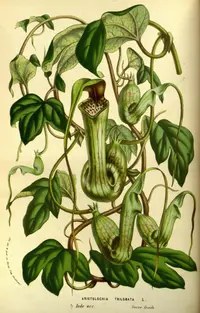
White bryony, Bryonia alba, is a vigorous climbing vine in the cucumber family, valued more for its curiosity than for ornamental use. It climbs by tendrils and can quickly cover fences, shrubs, or small trees, forming a dense tangle of pale green foliage.

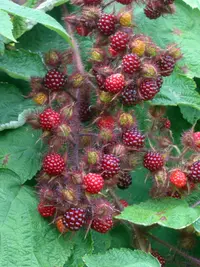
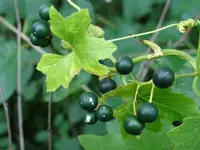
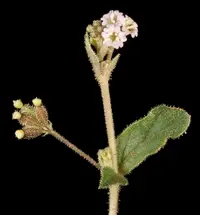
The plant has small greenish-white flowers followed by rounded, often whitish to yellow berries that stand out against the leaves. It is native to Europe and western Asia but has naturalized in parts of North America, sometimes acting as a weedy species.

Bryonia alba prefers full sun to light shade, moderately moist, well-drained soils, and can be persistent once established, which makes how to care for white bryony a matter of careful site control rather than encouragement.

Main Plant Requirements

Care Difficulty

Moderate Care

Light Preference

Partial Sun

Water Requirements

Moderate Water

Temperature Preference

Cold Hardy

Hardiness Zone

4–9

Soil Texture

Sandy, Loamy, Clay

Soil pH

Slightly acidic (6.5–7.0), Slightly alkaline (7.0–7.5)

Soil Drainage

Well-drained

Fertilization

Minimal (feed rarely)

Get Personalized Care Plan

Scan your plant to receive care tips personalized for your specific plant

Available on iOS and Android

How to Care for the white bryony

This vigorous climbing vine prefers bright outdoor conditions with some protection from harsh midday sun.

  • Provide 4–6 hours of direct morning sun with light dappled or filtered light in the afternoon for balanced growth.
  • Allow partial shade, especially in hot summers; locations with east or light north exposure usually suit white bryony well.
  • Watch foliage for bleaching, crisp edges, or yellowing: scorched leaves indicate too much intense sun, while weak, stretched stems signal insufficient light.

This species prefers evenly moist but not saturated soil during active growth.

  • Water when the top 3–5 cm of soil feels dry, soaking the root zone deeply, then allow excess to drain away fully.
  • Use well-drained, loamy soil; persistent puddling, sour smell, or soft, blackened roots indicate overwatering and poor drainage.
  • Reduce watering in late autumn and winter when growth slows, but do not allow complete drying, as severe wilting and brittle stems signal underwatering in Bryonia alba.

This temperate perennial vine handles a broad outdoor temperature range but dislikes prolonged extremes.

  • Aim for active growth in 60–77°F (16–25°C), which supports steady vine extension and flowering.
  • Tolerates short dips to about 23°F (−5°C); hard frost may damage top growth, but the rootstock often survives in the ground.
  • In hot spells above 86°F (30°C), provide mulch and some afternoon shade, as prolonged heat and dry winds can scorch foliage and slow growth.

Bryonia alba handles a wide humidity range and does not usually need special humidity management outdoors.

Bryonia alba prefers moderately fertile, well-aerated soil that drains quickly yet holds some moisture.

  • Use a loose loam or sandy loam with plenty of organic matter to support root growth and climbing vigor.
  • Aim for neutral to slightly alkaline conditions, around pH 6.8–7.8, avoiding strongly acidic soil that can limit nutrient availability.
  • Improve drainage and aeration by blending garden soil with coarse sand and a small amount of compost, avoiding heavy clay.
  • Do not plant in compacted or waterlogged areas, which increase risk of root rot and poor establishment.

This species can be grown in containers, mainly for controlled, outdoor cultivation.

  • Choose a deep, heavy pot that resists tipping once the vine climbs and produces top growth.
  • Use a stable support structure anchored in the container so the vine’s weight does not loosen the root ball.
  • Select a potting mix that drains faster than typical garden soil to prevent water sitting around the sensitive roots.

Bryonia alba is a wild, vigorous climber that usually grows well without added fertilizer in normal garden soil.

Pruning Bryonia alba is mainly about restraint and safety, since it can become invasive and the berries are toxic.

  • Cut back excess or wandering stems in late winter or early spring before strong new growth starts.
  • Remove dead, damaged, or crossing vines with clean, sharp hand pruners to limit tangling and disease entry points.
  • Thin congested growth at the base to reduce shading of nearby plants and keep the vine within its allotted space.
  • Dispose of prunings carefully so berries and stem pieces do not root or spread to unwanted areas.

Transplanting white bryony focuses on managing its strong root system and limiting unwanted spread in the garden.

  • Plan any transplanting for early spring or early autumn, when soil is moist and temperatures are mild.
  • Move plants only when growth slows or when tuberous roots overcrowd an area or invade nearby plantings.
  • Dig deeply and widely to lift as much of the fleshy root system as possible, reducing breakage and stress.
  • Replant immediately into well-drained soil, water thoroughly, then keep the area evenly moist until new growth resumes.

Propagation of Bryonia alba is usually done by seed and should be approached cautiously due to its invasive potential and toxicity.

  • Collect ripe seeds from fruits and sow outdoors in autumn; natural cold exposure supports germination in spring.
  • Use deep trays or pots with well-drained, loamy mix and keep evenly moist, not waterlogged.
  • Label and confine sowing areas to prevent accidental spread into natural habitats or nearby beds.

Bryonia alba is a hardy perennial in temperate climates and usually needs minimal winter care once established in the ground.

  • The top growth dies back after frost, while underground tubers survive freezing temperatures in most regions.
  • Apply a light mulch layer over the root zone in late autumn in colder zones to moderate freeze–thaw cycles.
  • Container-grown plants in very cold areas can be moved to a cold, frost-free shed or garage to protect the roots.

Care Tips

Robust trellis support

Install a sturdy trellis, fence, or wire mesh before the vine starts its main growth flush so the stems can be guided upward and tied loosely with soft ties as they elongate.

Early-season containment

In early spring, mark out a clear boundary for the root zone and remove any emerging shoots outside that area to keep the plant from spreading aggressively into unwanted spaces.

Timed root pruning

In late winter, use a sharp spade to slice around the clump 20–30 cm from the crown on 1–2 sides to slightly reduce vigor without shocking the plant, especially in small gardens.

Fruit removal strategy

Regularly remove and dispose of flowers and green berries before they ripen if children, pets, or livestock have access to the area, since all parts of the plant are poisonous when ingested.

Volunteer seedling control

Check surrounding beds and hedge bottoms a few times each season for self-sown seedlings and hand-pull them while young, which is far easier than removing established roots when growing white bryony in mixed plantings.

Common Pests and Diseases

Powdery mildew

This disease produces white, powdery patches on leaves and young stems, which can cause yellowing and reduced vigor in sunny, dry conditions.

Solution

Remove and destroy heavily infected leaves, avoid overhead watering, and improve air movement around the vines; in established outdoor stands, apply a sulfur or potassium bicarbonate fungicide according to label directions if ornamental foliage quality is important.

Downy mildew

This disease causes pale, yellow to light green angular leaf spots on the upper surface with grayish to purplish fuzz on the undersides in cool, humid weather.

Solution

Remove and dispose of infected foliage, water at soil level in the morning so leaves dry quickly, and increase spacing or pruning to improve airflow; copper-based fungicides can be used preventively in high-pressure situations where the vine is intentionally cultivated.

Cucumber mosaic virus

This disease leads to mottled, distorted leaves and overall stunting, with vines often showing irregular yellow or light green mosaic patterns and reduced fruit set.

Solution

Promptly remove and discard symptomatic plants to limit spread, control aphid vectors with reflective mulches or targeted insecticidal soap, and avoid planting susceptible cucurbits nearby if maintaining a monitored population for research or display.

Aphids

These insects cluster on tender shoot tips and leaf undersides, sucking sap and causing curling or deformation while leaving sticky honeydew that can attract sooty mold.

Solution

Dislodge colonies with a strong stream of water, encourage or preserve natural predators such as lady beetles, and use insecticidal soap or horticultural oil directed at the colonies if populations become dense.

Two-spotted spider mites

This pest causes fine speckling and a dull, stippled appearance on leaves, often accompanied by delicate webbing, particularly during hot, dry periods.

Solution

Increase humidity around the plant if grown in a controlled setting, hose down foliage to wash off mites, and apply horticultural oil or insecticidal soap thoroughly to both leaf surfaces, repeating as needed to cover new hatchlings when caring for white bryony in managed plantings.

Interesting Facts

Aggressive climbing habit

This species is a vigorous twining vine that can rapidly overtop shrubs and young trees, using tendrils to climb and form dense, shading mats in hedges and woodland edges.

Dioecious flowering system

Individual plants are either male or female, so separate plants bear only staminate or only pistillate flowers, a reproductive strategy that promotes cross‑pollination by insects such as bees and hoverflies.

Bird‑dispersed red berries

The fruits turn from green to bright red when ripe and are attractive to birds, which eat the berries and disperse the seeds, while the same berries are considered highly toxic to humans and many mammals.

Botan icon

Did you know?

In several parts of central and northern Europe, this species historically featured in folklore as a plant associated with witchcraft and protective charms, leading to its roots sometimes being carved into human-like figures and used as talismans despite the plant’s toxicity.

FAQs about white bryony

This species spreads quickly via tuberous roots and abundant berries containing many seeds. In mild climates it can smother nearby vegetation and become difficult to remove. Regular monitoring and prompt removal of new shoots help limit spread when growing white bryony.

Grow Healthy Plants with Botan Care

Keep your plants happy and healthy with plant identification, disease detection, and easy care guidance.

Botan plant care app — identify plants on mobile

Explore More Plants