Provide climbing support
Install a small trellis, mesh, or taut strings close to the pot and loosely tie young stems with soft plant ties so the plant can climb rather than tangle on itself.

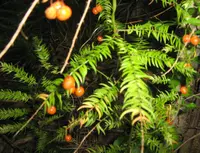
Climbing asparagus (Asparagus scandens) is a delicate, evergreen climber grown mainly for its fine, fern-like foliage and flexible, twining stems. It is often used in hanging baskets, small trellises, or as a soft filler plant.
This species comes from South Africa, where it grows in lightly shaded forest and scrub habitats. In cultivation it prefers bright, indirect light, evenly moist but not waterlogged soil, and good drainage.
Asparagus scandens is generally considered easier than many true vines because it tolerates some neglect and responds well to regular pruning. Learning how to care for Climbing asparagus mainly involves managing light, moisture, and occasional trimming to keep its growth controlled and tidy.

Care Difficulty
Easy Care

Light Preference
Partial Shade

Water Requirements
Moderate Water

Temperature Preference
Tropical / Frost Sensitive

Hardiness Zone
9–11

Soil Texture
Loamy, Sandy, Organic-rich

Soil pH
Acidic (5.5–6.5), Slightly acidic (6.5–7.0)

Soil Drainage
Moist but well-drained

Fertilization
Light (every 4–6 weeks)
Scan your plant to receive care tips personalized for your specific plant
Available on iOS and Android
This delicate climber prefers bright, indirect light that mimics dappled woodland conditions.
Asparagus scandens prefers evenly moist, fast-draining soil without staying soggy.
This species grows best in mild, frost-free conditions with stable temperatures.
This species grows well in typical indoor humidity but benefits from slightly moist air.
Asparagus scandens prefers loose, well-drained, organic-rich soil that stays lightly moist but never soggy.
This species is well suited to container growing.
Asparagus scandens responds well to light, consistent feeding during its active growing season.
Pruning helps keep Asparagus scandens dense, tidy, and within its support or container.
Container-grown Climbing asparagus benefits from occasional repotting to refresh soil and manage root growth.
Asparagus scandens is commonly propagated by division or seeds under warm, stable conditions.
Winter care for Asparagus scandens depends on climate, as the foliage is sensitive to hard frost.

Plant Health Check
Not sure what's wrong with your plant? Check your plant's health inside the app.
What look like soft leaves on this species are actually modified stems called cladodes, which are thin, wiry, and give the plant a delicate, fern-like texture while still photosynthesizing efficiently in low light.
This plant naturally inhabits shaded forest understories in South Africa and is adapted to scramble through vegetation in low to medium light, making it unusually tolerant of shade compared with many other ornamental climbers.
After small white flowers, the plant can produce orange berries that are attractive but not showy, and are primarily of interest for their role in seed dispersal rather than ornamental display.
Yellowing foliage usually comes from overwatering, poor drainage, or old potting mix causing root stress. It may also follow sudden light changes or nutrient depletion. Check roots, adjust watering, and refresh the substrate if compacted.
Keep your plants happy and healthy with plant identification, disease detection, and easy care guidance.