Clematis Care (Clematis 'Ernest Markham')

About Clematis

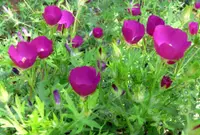
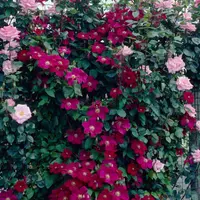
Clematis 'Ernest Markham' is a deciduous flowering vine grown mainly for its large, deep magenta-red blooms. It belongs to the buttercup family and is widely used on trellises, fences, and arches in temperate gardens.

This clematis typically produces a strong flush of flowers in summer, then may rebloom later in the season. Its climbing habit relies on twining leaf stalks, so it needs a support structure.

The cultivar was bred for reliable performance, but still needs correct pruning and consistent moisture, which makes basic knowledge of how to care for Clematis important. It generally prefers sun on the vines, cool roots, and well-drained, fertile soil.

Main Plant Requirements

Care Difficulty

Moderate Care

Light Preference

Full Sun

Water Requirements

Regular Water

Temperature Preference

Cold Hardy

Hardiness Zone

4–9

Soil Texture

Loamy, Sandy, Organic-rich

Soil pH

Acidic (5.5–6.5), Slightly acidic (6.5–7.0)

Soil Drainage

Moist but well-drained

Fertilization

Light (every 4–6 weeks)

Get Personalized Care Plan

Scan your plant to receive care tips personalized for your specific plant

Available on iOS and Android

How to Care for the Clematis

This large-flowered vine needs strong light on its top growth but cooler, shaded roots for best performance.

  • Provide 6–8 hours of sun daily, ideally full morning sun with light afternoon shade to protect flowers from scorching.
  • Allow dappled or high open shade in very hot climates; Clematis can flower in bright partial shade but with slightly fewer blooms.
  • Shade the root zone with mulch or low plants to keep soil cool, and avoid heat reflected off walls or paving during summer.

This vine prefers consistently moist, cool soil that never stays waterlogged.

  • Water when the top 3–5 cm of soil feels dry, soaking the root zone deeply so moisture reaches 20–30 cm down.
  • Increase checks during hot, windy weather; drooping that recovers by evening suggests temporary dryness, while yellowing, mushy stems suggest overwatering or poor drainage.
  • Plant in well-drained soil improved with compost, and use 5–8 cm of organic mulch to slow evaporation and stabilize moisture for Clematis 'Ernest Markham'.

This hardy climber tolerates a wide temperature range but grows and flowers best in moderate conditions.

  • Active growth is strongest around 60–75°F (16–24°C), with reliable flowering as long as roots stay cool and evenly moist.
  • Established plants typically survive winter lows near -20°F (-29°C) when mulched, though new shoots can be damaged by late frosts below 30°F (-1°C).
  • In summer, plants cope with 85–95°F (29–35°C) if soil is shaded and moist; prolonged heat above this can cause wilting and shorter flowering.

This clematis tolerates typical outdoor humidity and rarely needs special adjustment.

Clematis 'Ernest Markham' prefers deep, fertile, well-structured soil that stays evenly moist but never waterlogged.

  • Use a loamy, organic-rich soil with a crumbly structure that holds moisture yet breaks apart easily in the hand.
  • Ensure sharp drainage by mixing in compost plus coarse sand or fine bark; avoid heavy, unamended clay that stays soggy.
  • Aim for slightly alkaline to neutral pH around 6.8–7.5, adding garden lime if your soil tests distinctly acidic.
  • Improve aeration by loosening the planting area 30–40 cm deep and working in coarse materials so roots can penetrate freely.

This cultivar is suitable for large outdoor containers if given enough root depth and stability.

  • Choose a tall, heavy container at least 40–50 cm deep so the root zone stays cool and the vine does not tip the pot in wind.
  • Line the pot base with a shallow layer of coarse gravel or broken stone to reduce blockage of drainage holes by fine particles.
  • Position a sturdy trellis or support fixed to the container or an adjacent structure to prevent the vine from pulling the pot off balance.

This vigorous clematis responds well to moderate, consistent feeding during the growing season.

  • Use a balanced granular or slow-release fertilizer (around 10-10-10) or well-rotted compost in early spring as new growth starts.
  • Feed again in mid-summer with a diluted balanced liquid fertilizer at half strength to support flowering.
  • Avoid high-nitrogen lawn fertilizers, which encourage foliage over blooms and can cause weak, floppy growth.
  • Stop feeding in late summer so stems can harden before winter dormancy.

Clematis 'Ernest Markham' flowers on new growth and benefits from structured pruning to maintain vigor and strong bloom performance.

  • Prune in late winter or very early spring before buds break, using clean, sharp bypass pruners.
  • Cut all stems back to strong buds about 30–60 cm above soil level to encourage vigorous new flowering shoots.
  • Remove dead, weak, or crossing stems at the base to improve air flow and reduce disease risk.
  • After flowering, lightly tidy by trimming overly long or tangled shoots to refine shape on supports or trellises.

This large-flowered clematis is usually grown in the ground, with transplanting or container repotting done infrequently and with care.

  • Plan major moves for early spring or early fall when temperatures are mild and the plant is not in peak growth or bloom.
  • Look for signs such as roots circling the pot, slow growth, or frequent wilting as indicators that a container plant needs a larger vessel.
  • When transplanting, keep as much of the root ball intact as possible and replant at the same depth in rich, well-drained soil.
  • Water thoroughly after moving, then keep soil evenly moist and shaded at the root zone for several weeks to reduce transplant shock.

Clematis 'Ernest Markham' is commonly propagated vegetatively to preserve cultivar traits and ensure uniform flowering.

  • Take softwood or semi-ripe stem cuttings in late spring to mid-summer, choosing non-flowering shoots with several leaf nodes.
  • Insert cuttings into a moist, free-draining medium, and maintain high humidity with bright, indirect light and gentle bottom warmth if available.
  • Use simple layering by pegging a flexible stem to the soil, covering a node lightly so roots can form over several months.
  • Seed is rarely used, since it will not come true to type and produces variable offspring.

This clematis is reasonably cold hardy in much of the US but benefits from some root-zone protection in harsher winters.

  • Tolerates typical winter cold in USDA zones 4–9 once established, provided drainage is good and soil does not stay waterlogged.
  • Apply a 5–10 cm layer of organic mulch over the root area in late fall, keeping it slightly away from the stem base.
  • In very exposed sites, secure stems to supports to limit wind damage and prevent breakage under snow or ice loads.
  • Move container-grown plants against a sheltered wall or into an unheated garage, keeping soil just barely moist through winter.

Care Tips

Secure vine supports

Use sturdy, thin supports such as galvanized wires, jute twine, or mesh with 1–5 cm gaps so the leaf petioles can hook on easily, and loosely tie new shoots with soft ties to prevent wind damage as they extend.

Protect the stem base

Place a small stone or low groundcover at the crown to shade the stem base and keep roots cool, but keep mulch and plants a few cm away from the stem itself to reduce stem rot risk.

Train for flowering height

In early growth, gently guide young shoots horizontally for the first 30–60 cm along a fence or trellis, then allow them to climb vertically to create a dense wall of blooms instead of a thin line at the top only.

Prevent clematis wilt

At planting and each spring, bury 1–2 extra nodes (leaf joints) below soil level and keep the soil evenly moist so that if clematis wilt kills top growth, new shoots can resprout from below ground.

Seasonal support check

Each late winter, inspect trellises, ties, and anchoring points for rust or looseness and replace or adjust them before vigorous spring growth, which reduces the chance of stems snapping under the weight of the mature vine when growing Clematis.

Common Pests and Diseases

Clematis wilt

This disease causes sudden, dramatic collapse of entire vines or individual stems, often just as flower buds are forming. Symptoms include blackened, shriveled stems that die back rapidly from the top down.

Solution

Cut affected stems back to healthy green tissue at or near ground level and remove all infected material from the site. Keep the crown lightly mulched, avoid mechanical damage to stems, and maintain steady soil moisture to support regrowth from the base, which is central to Clematis 'Ernest Markham' plant care.

Powdery mildew

This disease produces white, powdery patches on leaves, stems, and sometimes flower buds, often in late summer when air is warm and dry but roots are moist. Symptoms include yellowing, distorted foliage and reduced vigor if the infection is heavy.

Solution

Remove and dispose of heavily infected leaves and improve air circulation by gently thinning crowded growth or nearby plants. Water at soil level in the morning, avoid wetting foliage, and if needed use a targeted fungicide labeled for powdery mildew on clematis, following directions carefully.

Slugs and snails

These pests chew irregular holes in young leaves and can completely remove soft new shoots near ground level. Symptoms include shredded foliage, missing tips, and slime trails around the plant base, especially after rain or overhead watering.

Solution

Hand-pick slugs and snails in the evening, use physical barriers such as copper tape or sharp grit around the base, and remove damp debris that shelters them. In high-pressure areas, deploy iron phosphate slug bait around but not touching the crown, according to label directions.

Aphids

These insects cluster on tender shoot tips, buds, and the undersides of leaves and suck plant sap. Symptoms include curled or sticky leaves, distorted growth, and the presence of ants attracted to honeydew deposits.

Solution

Wash colonies off with a strong but controlled stream of water, focusing on shoot tips and leaf undersides. If populations remain high, apply insecticidal soap or horticultural oil, repeating as directed and ensuring good coverage without spraying in hot direct sun.

Clematis leaf spot

This disease causes small brown, purple, or tan spots on leaves that may enlarge and merge, leading to partial defoliation in severe cases. Symptoms include leaves dropping from the lower parts of the plant first, making the vine look bare at the base.

Solution

Prune out and discard affected leaves and stems as soon as spotting is noticed, and keep the area under the plant free of fallen leaves. Improve airflow, water at soil level, and, where infections recur, use a suitable fungicide labeled for leaf spot on ornamental vines early in the season.

Interesting Facts

Distinct velvety tepals

This hybrid produces deep magenta-pink flowers with 6 velvety tepals that often show a slightly rippled margin, a visual trait that helps distinguish it from similar large-flowered clematis cultivars.

Strong repeat flowering

It belongs to the late large-flowered clematis group and is known for flowering on both old and new wood, giving a main flush in mid to late summer and often a second display into early fall if well managed.

Historic English hybrid

This cultivar was raised by horticulturist Ernest Markham in England in the early 20th century and introduced around the 1930s, and it remains a classic choice in modern gardens due to its stable color and reliable performance.

Botan icon

Did you know?

The flowers of this cultivar can appear significantly more vivid in cooler summer conditions, because lower temperatures slow pigment breakdown in the tepals, allowing the intense magenta coloration to remain saturated for longer periods during the blooming season.

FAQs about Clematis

Poor flowering often comes from excessive shade, heavy pruning at the wrong time, or nutrient imbalance from high-nitrogen fertilizer. Check that the vine has strong sun on the upper growth and follow group 3 pruning guidelines.

Grow Healthy Plants with Botan Care

Keep your plants happy and healthy with plant identification, disease detection, and easy care guidance.

Botan plant care app — identify plants on mobile

Explore More Plants