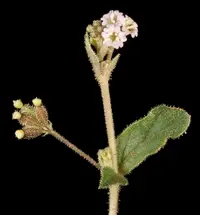
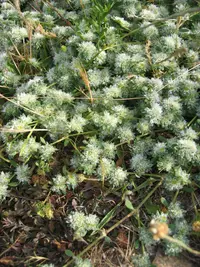
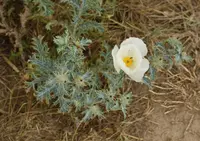
Prostrate Capeweed Care (Arctotheca prostrata)

Prostrate Capeweed

About Prostrate Capeweed

Prostrate capeweed (Arctotheca prostrata) is a low, mat-forming perennial from South Africa, often used as a tough groundcover in mild, dry climates. It spreads across the soil surface with trailing stems and deeply lobed gray‑green leaves.

The plant produces yellow, daisy-like flowers held just above the foliage, giving a simple but noticeable display over a long season. It thrives in sunny, open areas and copes well with poor, sandy, or coastal soils.

Once established, it tolerates drought and light foot traffic, which makes it easy to maintain but also potentially invasive in favorable conditions. Basic knowledge of how to care for Prostrate Capeweed helps keep it controlled and healthy in garden settings.

Main Plant Requirements

Care Difficulty

Easy Care

Light Preference

Full Sun

Water Requirements

Low Water

Temperature Preference

Warm Climate

Hardiness Zone

9–11

Soil Texture

Sandy, Loamy, Rocky

Soil pH

Slightly acidic (6.5–7.0), Neutral (7.0)

Soil Drainage

Well-drained

Fertilization

Minimal (feed rarely)

Get Personalized Care Plan

Scan your plant to receive care tips personalized for your specific plant

Available on iOS and Android

How to Care for the Prostrate Capeweed

This low-growing groundcover thrives in open, sunny positions but tolerates some light shade.

  • Provide 6–8 hours of direct sun daily; morning sun with light afternoon shade is ideal in hot inland areas to prevent leaf scorch.
  • Plant Prostrate Capeweed where it receives full sun in winter, as low sun angles and shorter days can slow growth and flowering in deep shade.
  • In hotter climates, use filtered light or partial shade (especially after 2–3 p.m.) to reduce heat stress and fading of foliage and flowers.

This plant prefers dry to moderately moist soil and is adapted to drought once established.

  • Allow the top 3–5 cm of soil to dry before watering; in most outdoor garden soils this means infrequent deep watering rather than light, frequent applications.
  • During hot, dry periods, watch for wilting or dull, limp leaves as a sign that Arctotheca prostrata needs a thorough soak, then let excess water drain away.
  • Avoid poorly drained or compacted soil, as persistent wetness, yellowing foliage, and soft, rotting crowns indicate overwatering and increased root disease risk.

This species is adapted to mild, Mediterranean-type climates with warm, dry summers and cool, frost-light winters.

  • Optimal growth occurs around 60–80°F (16–27°C), with strongest vegetative spread and flowering in the cooler part of this range.
  • Plants usually tolerate brief drops to about 25–28°F (-4 to -2°C), but repeated hard frosts can burn foliage; mulching helps protect crowns in colder zones.
  • In hot regions, temperatures above 90°F (32°C) are tolerated if soil is not waterlogged and plants receive some afternoon shade to limit heat stress.

This species is tolerant of low humidity and rarely needs special moisture management indoors or outdoors.

  • Target 30–50% humidity, similar to average indoor air, as the plant is naturally adapted to dry, coastal and open habitats.
  • Prostrate Capeweed handles dry air well, but prolonged hot, dry drafts can crisp leaf edges and dull flower color.
  • If air is extremely dry, group containers together or place them on a pebble tray with water below the pot base to slightly raise local humidity.

This ground-hugging plant prefers lean, fast-draining soil that does not stay wet.

  • Use a sandy or sandy-loam mix, such as 2 parts coarse sand, 1 part compost, and 1 part garden loam, to mimic its native free-draining habitat.
  • Ensure very rapid drainage; water should flow through in seconds, not minutes, to prevent root and crown rot in Arctotheca prostrata.
  • Aim for slightly acidic to neutral pH around 6.0–7.0, which supports nutrient availability without encouraging excessive lush, weak growth.
  • Improve aeration and drainage in heavier soils by incorporating coarse sand or fine gravel and avoiding dense, peat-heavy mixes that hold prolonged moisture.

This species can be grown in containers where its trailing habit suits low bowls or shallow patio pots.

  • Choose a wide, shallow container so the spreading stems can trail over the rim while the relatively shallow roots have room to colonize the surface layer.
  • Select a heavier material like ceramic or clay outdoors to keep the container stable against wind as the foliage spreads outward.
  • Use a potting mix that is noticeably gritty, and elevate the container slightly on feet or bricks so drainage holes never sit in pooled water.

Arctotheca prostrata grows well in lean soils and usually needs only light feeding for container or intensively managed plantings.

  • Use a balanced, slow-release fertilizer (for example 10-10-10) or light compost top-dressing in early spring.
  • Feed established plants every 6–8 weeks during active growth if soil is poor, skipping feeding on rich ground.
  • Apply at half the label strength for container plants to avoid salt buildup and soft, weak growth.
  • Stop feeding in late summer so plants harden off before cooler weather and natural dormancy.

Arctotheca prostrata responds well to light, strategic pruning that maintains a low, dense mat of growth.

  • Prune in late winter or early spring before strong new growth starts to tidy and shape the mat.
  • Remove dead, diseased, or frost-damaged leaves and stems back to healthy tissue to limit disease spread.
  • Thin out very crowded patches with clean shears to improve air movement and reduce fungal problems.
  • Lightly shear after flowering to encourage fresh foliage and a more compact, uniform groundcover.

This species is most often grown as a groundcover, so care focuses on transplanting young plants rather than frequent repotting.

  • Transplant in early spring or early fall when weather is mild to limit heat and moisture stress.
  • Move plants when growth slows, clumps outgrow their space, or roots circle the pot and emerge from drainage holes.
  • Lift with a trowel, keeping as much root ball intact as possible, and replant at the same depth in well-drained soil.
  • Water thoroughly after transplanting, then keep soil slightly moist for 1–2 weeks to support root re-establishment.

Arctotheca prostrata plant care often includes simple propagation to extend groundcover or replace older patches.

  • Use division in early spring by lifting established clumps and separating rooted sections with a clean knife.
  • Replant divisions immediately into loose, well-drained soil, firming gently and watering to settle air pockets.
  • Take 5–8 cm stem cuttings in late spring, removing lower leaves and inserting into a sandy, moist rooting mix.
  • Provide bright, indirect light and moderate moisture until roots form, then harden off before planting into open ground.

In mild climates, Prostrate Capeweed is relatively cold tolerant and usually needs minimal winter care.

  • Tolerates light frosts, but growth may slow or foliage may scorch in extended freezes below about 25°F.
  • Apply a 2–5 cm mulch around, not on top of, crowns in colder regions to buffer soil temperature swings.
  • In containers, move plants to a sheltered, frost-free spot with good light during hard freezes and reduce watering.

Care Tips

Control Spreading Edge

Install a shallow physical barrier (edging, pavers, or a sunken strip of metal or plastic 5–8 cm deep) around beds to stop runners from invading lawn or paths while still allowing the mat to fill in inside the border.

Targeted Runner Rooting

When establishing a dense groundcover, lightly pin vigorous stolons to bare soil with U-shaped wire pins or small stones to encourage faster rooting and quicker coverage of open patches.

Seasonal Thinning Pass

Once or twice a year, especially after peak flowering, lift and remove the oldest, woodiest sections of the mat so younger rosettes have space, light, and airflow, which reduces disease pressure and keeps growth even.

Low-Mow Integration

If used in mixed turf areas, keep mower blades set high (7–8 cm) and mow infrequently so the plant flowers above short turf while still tolerating occasional passes without losing the ground-hugging structure.

Seed Head Management

In regions where it behaves invasively, hand-remove or trim back seed heads before they dry and disperse, and collect all clippings so growing Prostrate Capeweed stays confined to the intended area.

Common Pests and Diseases

Aphids

These insects cluster on young shoots, undersides of leaves, and flower stalks, sucking sap and causing distortion and sticky honeydew. Symptoms include curled new growth, reduced vigor, and occasional sooty mold growing on the honeydew.

Solution

Rinse infested foliage and stems with a firm stream of water, repeating every few days until numbers drop. For heavier infestations on Arctotheca prostrata plant care in garden beds, use insecticidal soap or a light horticultural oil, applied in the early morning and directed to the undersides of leaves; encourage lady beetles and lacewings by avoiding broad-spectrum insecticides nearby.

Leaf miners

These insects create pale, winding tunnels within the leaf blades, often visible as irregular whitish or translucent trails. This damage reduces the photosynthetic area and can make mats of foliage look patchy or unsightly.

Solution

Remove and dispose of affected leaves early to break the life cycle before larvae mature. Where damage is persistent, use a spinosad-based spray targeted to foliage in the evening, and keep nearby broadleaf weeds trimmed to reduce alternate hosts.

Powdery mildew

This disease appears as white to gray powdery patches on upper leaf surfaces, especially under warm days and cool, humid nights. Symptoms include dull, discolored foliage, reduced growth, and premature leaf drop in severe cases.

Solution

Improve air movement across the mat by avoiding overcrowding and reducing overhead watering in late afternoon or evening. Remove heavily infected leaves and, if needed, apply a sulfur or potassium bicarbonate fungicide labeled for ornamentals, making sure to coat both upper and lower leaf surfaces.

Botrytis blight

This disease causes brown, water-soaked spots on leaves and flower stalks that develop fuzzy gray mold in prolonged cool, damp conditions. Symptoms include dieback of stems in dense groundcover patches and rapid collapse of weakened tissue.

Solution

Thin overly dense areas to improve airflow and avoid watering late in the day so foliage dries quickly. Remove and discard all infected plant material and surface debris, and in persistent cases use a labeled ornamental fungicide targeting Botrytis, applied according to local guidelines.

Snails and slugs

These pests chew irregular holes in leaves and can strip young rosettes, especially in moist, shaded sites or under dense groundcover. Symptoms include ragged leaf edges, missing seedlings, and silvery slime trails on or around the plants.

Solution

Hand-pick snails and slugs in the evening or early morning and reduce hiding places such as boards, dense mulch, and debris. Where populations are high, place iron phosphate slug bait around, not on, plant mats and reapply after heavy rain as directed on the product label.

Interesting Facts

South African dune specialist

This species is native to coastal regions of South Africa, where it stabilizes sandy soils on dunes and disturbed ground with its creeping, mat-forming habit.

Day-opening yellow blooms

Its yellow, daisy-like flower heads open in bright light during the day and close in low light, an energy-saving behavior that also helps protect pollen from moisture.

Velcro-like seed dispersal

The fruits bear stiff, hooked hairs that cling easily to animal fur, clothing, and tires, helping the plant spread along roadsides and into new disturbed areas.

Botan icon

Did you know?

In regions such as Australia and California, this species has become a problematic environmental weed, where its dense mats outcompete low native vegetation and alter dune and coastal grassland plant communities.

FAQs about Prostrate Capeweed

This species spreads rapidly by seeds and creeping stems, forming dense mats that outcompete nearby plants. In mild climates it can behave invasively, so regular edging, deadheading, and removal of unwanted rosettes are important to limit spread.

Grow Healthy Plants with Botan Care

Keep your plants happy and healthy with plant identification, disease detection, and easy care guidance.


Botan plant care app — identify plants on mobile

Explore More Plants