


Bog container setup
Use a wide, watertight tub or tray filled with peat-heavy medium and keep 2–5 cm of low-mineral water above the soil surface to simulate the saturated bog conditions this species needs long term.

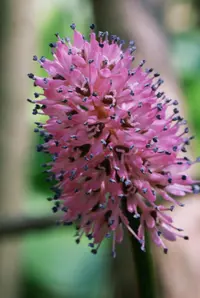
Swamppink, Helonias bullata, is a perennial wetland plant known for its dense spikes of small, pink flowers held above rosettes of glossy, strap-like leaves. It forms low clumps and sends up flowering stems in spring, creating a neat, architectural look rather than a sprawling habit.
This species is native to acidic bogs and wetlands in the eastern United States, where it grows in consistently moist, cool soils with partial shade. It can be challenging in typical gardens because it dislikes drying out, soil compaction, and high heat, so care for swamppink usually involves recreating stable, bog-like moisture and protection from intense sun.

Care Difficulty
Hard Care

Light Preference
Partial Shade

Water Requirements
Aquatic

Temperature Preference
Cool Climate

Hardiness Zone
3–8

Soil Texture
Silty, Peaty, Organic-rich

Soil pH
Strongly acidic (4.5–5.5)

Soil Drainage
Waterlogged tolerant

Fertilization
Minimal (feed rarely)
Scan your plant to receive care tips personalized for your specific plant
Available on iOS and Android
This wetland perennial prefers soft, cool light rather than intense direct sun.
This bog species needs consistently saturated, never dry soil around its roots.
This species is a cool-temperate bog plant that tolerates cold winters but dislikes extreme heat.
This wetland perennial needs consistently high humidity close to saturation to stay healthy.
This species requires saturated, organic, acidic soil that mimics a natural bog.
This plant can be grown in containers if the setup reliably maintains a bog-like, saturated root zone.
Helonias bullata is adapted to nutrient-poor wetlands and needs only very light feeding in cultivation.
Helonias bullata needs minimal pruning, mainly to keep the clump healthy and tidy.
This wetland perennial is best left undisturbed, so transplant Helonias bullata only when clearly necessary.
Propagation of Helonias bullata is possible but slow and generally best reserved for experienced growers or conservation projects.
Helonias bullata is cold hardy in much of its native range and generally needs only modest winter care outdoors.

Plant Health Check
Not sure what's wrong with your plant? Check your plant's health inside the app.
This species is considered a glacial relict, surviving from cooler post-Ice Age climates in specialized peatland habitats of the northeastern United States.
The plant occurs almost exclusively in saturated, acidic, nutrient-poor groundwater seepage areas and peaty stream edges, making it highly sensitive to hydrological disturbance and pollution.
In the United States it is federally listed as threatened, mainly due to wetland drainage, groundwater alteration, development, and invasion by aggressive wetland plants that outcompete its small populations.

The species is one of very few flowering plants in its habitat that produces showy, bright pink inflorescences early in spring, providing an important nectar source for emerging pollinators in otherwise still-dull bog landscapes.
Lack of flowering usually comes from plants being too dry, too shaded, or recently divided. This species needs consistently moist, acidic soil and several years of undisturbed growth before flowering reliably. Avoid disturbing the crown and root zone.
Keep your plants happy and healthy with plant identification, disease detection, and easy care guidance.

Tidestrom's lupine
Lupinus tidestromii
Zygopetalum maculatum
Zygopetalum maculatum
Imperial Taro
Colocasia esculenta 'Black Beauty'
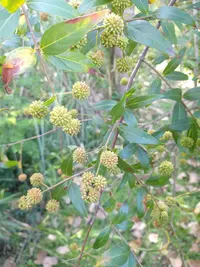
sarandí colorado
Cephalanthus glabratus
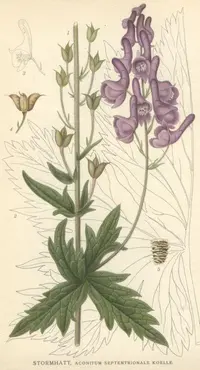
Northern Wolfsbane
Aconitum septentrionale

northern water plantain
Alisma triviale
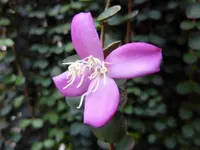
Medinilla sedifolia
Medinilla sedifolia

Sea Nymph
Amphibolis antarctica