western redbud Care (Cercis occidentalis)

Also known as: California redbud, Arizona redbud
western redbud

About western redbud

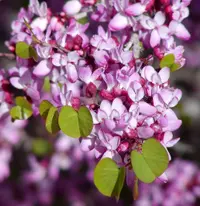
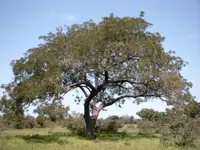
Western redbud, Cercis occidentalis, is a small deciduous tree or large shrub valued for its early spring flowers and compact size. It typically forms a rounded crown with multiple trunks and smooth, gray bark.

In spring, it produces masses of pink to magenta pea-like flowers on bare branches, followed by heart-shaped green leaves that turn yellow in fall. Thin, brown seed pods often remain on the tree into winter.

This species is native to dry slopes and canyons of California and the southwestern United States, so it tolerates heat, sun, and drought once established. These traits make it relatively low-maintenance, and understanding how to care for western redbud mainly involves providing sun, good drainage, and not overwatering in heavy soils.


Main Plant Requirements

Care Difficulty

Easy Care

Light Preference

Full Sun

Water Requirements

Low Water

Temperature Preference

Cold Hardy

Hardiness Zone

7–9

Soil Texture

Sandy, Loamy, Clay

Soil pH

Slightly acidic (6.5–7.0), Neutral (7.0)

Soil Drainage

Well-drained

Fertilization

Minimal (feed rarely)

Get Personalized Care Plan

Scan your plant to receive care tips personalized for your specific plant

Available on iOS and Android

How to Care for the western redbud

This species prefers bright outdoor conditions with direct sun but tolerates some shade, especially in hot regions.

  • Provide 6–8 hours of sun daily; in hotter climates, aim for morning sun and light afternoon shade to reduce leaf scorch.
  • Young western redbud trees benefit from a few hours of filtered light during their first 2–3 summers while roots establish.
  • If branches become sparse and flowering declines, the site is likely too shaded; move future plantings to a more open, south- or west-facing position.

Cercis occidentalis prefers deep, infrequent watering once established, with soil allowed to dry between soakings.

  • At planting and during the first 1–2 years, water when the top 5–8 cm of soil are dry, applying a slow, deep soak to wet the root zone 20–30 cm down.
  • In established trees, reduce to occasional deep watering during dry spells; leaves that yellow and drop early often indicate drought stress.
  • Avoid poorly drained or compacted soil; persistent wetness, dieback at branch tips, or fungal growth at the base typically signal overwatering.

This species is adapted to warm, dry-summer climates with cool to cold winters.

  • Active growth and flowering occur best around 60–80°F (16–27°C); young shoots extend and buds form most reliably within this range.
  • Mature trees tolerate winter lows near 10°F (−12°C), but late hard frosts after bud swell can damage flowers and tender new growth.
  • In hot inland areas, trees handle summer highs up to 95–100°F (35–38°C) if soil moisture is adequate and roots are mulched to moderate temperature swings.

Humidity is rarely critical for Cercis occidentalis, which adapts to most outdoor conditions in its hardiness range.

Cercis occidentalis prefers moderately fertile, well-structured soil that stays aerated and drains efficiently.

  • Use a loamy or sandy-loam soil with some organic matter, such as compost, to support root development without becoming heavy.
  • Ensure fast drainage; avoid compacted clay or sites where water sits longer than 30–60 minutes after irrigation or rain.
  • Aim for slightly acidic to neutral pH, roughly 6.0–7.5, as strongly alkaline soils can cause nutrient imbalances and chlorosis.
  • To improve dense or clay soil, incorporate coarse sand or fine gravel plus compost through the top 20–30 cm to increase aeration and percolation.

This species can be grown in containers for several years, but the plant ultimately performs best in the ground.

  • Choose a wide, heavy container that resists tipping as the canopy becomes broad and wind-catching.
  • Select a pot at least 45–60 cm deep so the taproot and major anchoring roots have space to develop without severe restriction.
  • Use a slightly porous pot material such as unglazed clay to reduce prolonged moisture around the root collar after heavy rain.

This drought-tolerant western redbud usually needs modest feeding when grown in average garden soil.

  • Apply a light layer of compost or well-rotted manure around the root zone in early spring before new growth starts.
  • In poorer soils, use a balanced slow-release fertilizer (around 10-10-10) at half label rate once in spring.
  • Avoid summer high-nitrogen products, which can push soft growth and reduce flowering wood formation.
  • Do not fertilize during fall and winter dormancy, as inactive roots cannot use added nutrients effectively.

Pruning Cercis occidentalis focuses on safety, structure, and preserving flower display.

  • Time main pruning for late winter to very early spring, before bud swell, to see branch structure clearly.
  • Remove dead, diseased, crossing, or storm-damaged branches with clean, sharp bypass pruners or a pruning saw.
  • Thin crowded interior shoots to open the canopy, improving light penetration and air flow while maintaining a natural outline.
  • Limit heading cuts; instead, make selective thinning cuts back to branch collars to guide size and form.

This species is usually grown in the ground, so management focuses on careful transplanting of young trees.

  • Transplant nursery stock in late fall or early spring, when the tree is dormant and soil is workable.
  • Choose plants with minimal root circling; if roots spiral, gently tease them outward and trim any girdling roots.
  • Set Cercis occidentalis at the same depth as in the pot, spreading roots over a wide, loosened planting area.
  • Water thoroughly after planting, then keep soil evenly moist for the first growing season to reduce transplant shock.

Cercis occidentalis is most often propagated from seed, with some attention needed to break dormancy.

  • Collect mature pods in late summer, then dry and store seeds cool until sowing.
  • Scarify the hard seed coat lightly with sandpaper, then use a brief hot-water soak to improve germination.
  • Sow in late winter to early spring in a gritty, well-drained mix kept lightly moist, not waterlogged.
  • Semi-hardwood cuttings in summer root poorly and are less reliable than seed-based methods for home growers.

Established Cercis occidentalis is cold hardy in much of its range and needs minimal winter care in the ground.

  • In regions with frost, apply a 5–8 cm mulch layer over the root zone, keeping it a few cm from the trunk.
  • Avoid late-season nitrogen fertilization so new growth hardens off before freezing weather.
  • For container-grown trees in colder climates, move pots to a sheltered, unheated but frost-moderated location.

Care Tips

Root flare check

When planting or inspecting an established shrub or tree, expose the top of the root flare at soil level so the base of the trunk is never buried under mulch or soil, which reduces risk of rot and improves long-term stability when growing western redbud.

Establish strong framework

During the first 3–5 years, selectively remove crowded or rubbing stems and favor 3–5 well-spaced main branches so the plant develops a stable, vase-shaped framework that can support heavy bloom and pod loads without splitting.

Manage seed pods

After flowering, thin or remove a portion of the seed pods on young or stressed plants to reduce energy drain and encourage stronger vegetative growth and better flowering the following season.

Protect from lawn equipment

Install a 60–90 cm mulch ring and avoid string trimmer or mower contact with the trunk, since repeated wounding at the base is a common cause of decline in this species.

Drought hardening strategy

From the second or third year after planting, gradually extend the interval between deep irrigations during spring and early summer so roots grow deeper, which increases drought resilience and reduces stress in mature specimens.

Common Pests and Diseases

Verticillium wilt

This disease causes sudden wilting, yellowing, and dieback of branches, often on one side of the tree, while the roots remain intact.

Solution

Prune out affected branches well below discolored wood, disinfect pruning tools between cuts, and dispose of infected material in the trash. Avoid overwatering, reduce stress by mulching and watering during drought, and do not replant susceptible species in the same soil if a tree is lost.

Botryosphaeria canker

This disease produces sunken, dark cankers on branches and stems, often accompanied by branch dieback, especially during hot, dry periods.

Solution

Cut out cankered branches 15–20 cm below visible damage, sterilizing tools between cuts, and remove prunings from the site. Reduce drought stress with deep, infrequent watering and mulch, and avoid wounding the trunk or branches to limit new infections.

leaf spot

This disease causes small brown or purplish spots on leaves that may merge into larger blotches, sometimes leading to early leaf drop.

Solution

Rake and discard fallen leaves, and prune to improve air circulation through the canopy. During extended wet periods, avoid overhead watering, and if the problem recurs yearly, consider applying a labeled copper or chlorothalonil fungicide at bud break according to product directions as part of broader Cercis occidentalis care.

cankerworm caterpillars

These insects chew irregular holes in young leaves and may skeletonize foliage in spring, giving the tree a tattered appearance.

Solution

Handpick visible caterpillars on small trees and prune out heavily infested twigs if practical. For larger trees, use sticky bands on trunks to intercept climbing larvae and, if defoliation is significant, apply a Bacillus thuringiensis (Bt) spray targeting young caterpillars, following label instructions.

scale insects

These insects appear as small bumps on twigs and branches and can cause leaf yellowing, reduced vigor, and sticky honeydew on foliage or surfaces below the tree.

Solution

On light infestations, scrub affected branches with a soft brush and soapy water, then rinse. For heavier infestations, encourage natural predators like lady beetles, apply horticultural oil during dormant or crawler stages as labeled, and prune out severely infested small branches.

Interesting Facts

California chaparral specialist

This species is native mainly to California and the southwestern US, where it naturally grows on dry hillsides, canyons, and chaparral slopes, often on rocky or poor soils that many trees cannot tolerate.

Spring flowers on bare wood

The magenta to rose-purple flowers often appear directly on bare branches and older wood before the leaves, a trait called cauliflory that creates a striking early spring display in its native habitats.

Nitrogen-fixing partner

Like other members of the pea family (Fabaceae), it forms symbioses with root bacteria that fix atmospheric nitrogen, helping it survive in nutrient-poor soils and contributing to local soil fertility over time.

Botan icon

Did you know?

Some wild populations of western redbud are considered good indicators of remnant native plant communities in parts of California, so their presence can help botanists locate and study relatively undisturbed foothill and canyon ecosystems.

FAQs about western redbud

Lack of flowers often comes from immature age, excessive shade, heavy nitrogen fertilization, or stress from drought, root damage, or poor pruning. Consistent conditions and patient, minimal pruning usually restore flowering over several seasons.

Grow Healthy Plants with Botan Care

Keep your plants happy and healthy with plant identification, disease detection, and easy care guidance.

Botan plant care app — identify plants on mobile

Explore More Plants