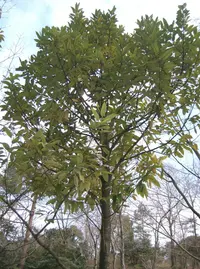
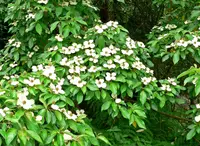
Taraire Care (Beilschmiedia tarairi)

Taraire

About Taraire

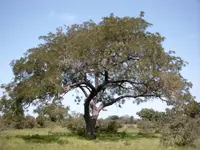
Taraire, Beilschmiedia tarairi, is a large evergreen tree from the laurel family, native to lowland and coastal forests of northern New Zealand. It forms a tall, dense canopy with thick, leathery, deep green leaves and heavy crops of purple, olive-like fruits that attract native birds.

In gardens and larger landscapes, it is usually grown as a specimen or shelter tree, valued for its glossy foliage and strong structure. It prefers mild, frost-free climates, consistent moisture, and well-drained, fertile soil, which can limit how widely it is planted.

Once established, taraire is relatively low-maintenance, but young plants need protection from frost and wind. Understanding how to care for Taraire starts with providing a stable, sheltered site that mimics its native forest conditions.

Main Plant Requirements

Care Difficulty

Moderate Care

Light Preference

Partial Shade

Water Requirements

Moderate Water

Temperature Preference

Warm Climate

Hardiness Zone

9–11

Soil Texture

Loamy, Sandy, Organic-rich

Soil pH

Acidic (5.5–6.5), Slightly acidic (6.5–7.0)

Soil Drainage

Moist but well-drained

Fertilization

Minimal (feed rarely)

Get Personalized Care Plan

Scan your plant to receive care tips personalized for your specific plant

Available on iOS and Android

How to Care for the Taraire

This coastal evergreen tree prefers bright conditions with some protection from harsh midday sun.

  • Provide 4–6 hours of direct morning sun with light shade or filtered sun in the early afternoon, especially in warmer regions.
  • Taraire tolerates partial shade (2–4 hours of direct light) but growth may be slower and canopy less dense over time.
  • Avoid prolonged dry, reflective exposure where leaves may scorch; in summer, young trees benefit from shelter on the hottest west-facing aspects.

This species prefers consistently moist but not saturated soil, especially while establishing.

  • In free-draining ground, water deeply when the top 3–5 cm of soil feel dry, then allow excess to drain away fully.
  • During hot, dry periods, increase frequency so leaves stay firm and do not droop, but avoid puddling or foul, sour-smelling soil that signals overwatering.
  • In cooler or rainy seasons, reduce supplemental watering, focusing on Beilschmiedia tarairi in exposed, fast-drying positions or sandy soils.

This warm-temperate tree grows best in mild, frost-free climates.

  • Optimal growth occurs around 60–77°F (16–25°C), with steady temperatures supporting stronger shoots and root development.
  • It tolerates brief drops to about 28–30°F (-2 to -1°C), but young plants can suffer leaf burn and stem damage below freezing.
  • In hotter spells above 86°F (30°C), growth may slow; mulch the root zone to buffer soil temperature and reduce heat and drought stress.

This species prefers moderate, stable humidity similar to mild coastal conditions.

  • Aim for 50–70% humidity; brief drops are tolerated but prolonged very dry air slows growth.
  • Leaf edges browning, rolling, or tip dieback often indicate humidity stress rather than watering issues.
  • Outdoors, shelter from strong drying winds; indoors, use a pebble tray or nearby humidifier instead of misting.

This tree requires deep, moisture-retentive but free-draining soil to establish a stable root system.

  • Use a loamy, organic-rich mix with noticeable structure, such as 50% screened topsoil, 30% compost, 20% coarse sand or fine grit.
  • Ensure water drains within a few minutes after heavy watering; standing water around roots increases rot risk.
  • Target a slightly acidic to neutral pH around 5.5–7.0 for Beilschmiedia tarairi to support nutrient uptake and root health.
  • Improve aeration on heavier sites with coarse sand, fine gravel, or pumice, and avoid very compacted or waterlogged clay.

This species is only moderately suitable for container growing and usually performs best in the ground long term.

  • Choose a tall, heavy container to support the developing taproot and prevent the tree from becoming wind-unstable.
  • Use a dense, loam-based mix rather than very light potting media to stabilize the root ball and reduce tipping risk.
  • Position the container where it cannot overheat on hard surfaces, since dark pots in full sun can over-warm and stress roots.

Beilschmiedia tarairi grows well in reasonably fertile soil and usually needs only light feeding.

  • Use a balanced slow-release fertilizer (eg 10-10-10) or a thin layer of mature compost in early spring.
  • Feed once per year for in-ground trees; container plants can receive a half-strength liquid balanced NPK every 4–6 weeks in spring–summer.
  • Avoid feeding in late autumn and winter when growth slows, to prevent soft, frost-tender shoots.
  • Water before and after applying fertilizer to reduce root burn and help nutrients move into the soil.

Beilschmiedia tarairi requires minimal pruning, mainly to maintain structure and remove problem wood.

  • Carry out light pruning in late winter or early spring before active growth begins.
  • Remove dead, diseased, or crossing branches first, cutting back to healthy wood with clean, sharp bypass pruners or a saw.
  • Thin crowded inner branches slightly to improve airflow and light penetration without opening the canopy too much.
  • Limit pruning to small cuts to preserve the natural form and avoid stressing the tree.

This species is usually planted directly in the ground, so focus on careful transplanting of young trees rather than frequent repotting.

  • Shift container-grown taraire when roots circle the pot, drainage slows, or growth stalls.
  • Transplant in late winter to early spring, choosing a sheltered, well-drained site with adequate space for mature size.
  • Move up only 1 pot size for container plants, disturbing roots as little as possible and backfilling with similar-textured soil.
  • Water thoroughly after transplanting, keep soil evenly moist for several weeks, and use temporary shade to reduce transplant shock.

Beilschmiedia tarairi is most often propagated from fresh seed and can be slow and exacting to raise.

  • Collect ripe fruits, clean away the fleshy pulp, and sow seeds as fresh as possible for best viability.
  • Sow in deep pots or trays with free-draining, slightly acidic mix and keep at 60–70°F in bright, indirect light.
  • Maintain consistent moisture but not waterlogging; germination may take several weeks to months.
  • Protect seedlings from frost, strong sun, and drying winds while root systems develop.

This evergreen tree is sensitive to hard frost and benefits from some winter protection in colder regions.

  • In climates below about 25°F, site taraire in a warm, sheltered position such as near a south-facing wall.
  • Apply 5–8 cm of organic mulch around the root zone, keeping it slightly away from the trunk to reduce rot risk.
  • Wrap young trunks with breathable tree guards or horticultural fleece during cold snaps to limit bark damage.
  • Move container-grown plants into a cool, bright, frost-free space and keep soil just slightly moist.

Care Tips

Shelterbelt Establishment

When planting young trees, place them within an existing shelterbelt or install temporary windbreak mesh on the windward side for the first 3–5 years to reduce wind rock and trunk distortion.

Root Zone Protection

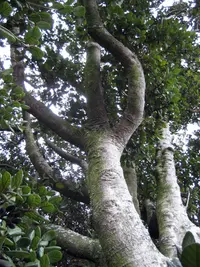
Keep the soil above the root zone free from heavy traffic, machinery, and repeated compaction, and maintain a 1–2 m wide grass-free mulch ring to protect fine feeder roots and improve long‑term stability.

Canopy Training

In the first 5–7 years, select 1 strong central leader and 3–4 well-spaced scaffold branches, removing steep, rubbing, or crowded laterals gradually to build a balanced, storm‑resistant crown.

Companion Planting Setup

Underplant the dripline with native, shade‑tolerant groundcovers rather than lawn to reduce mower damage to the trunk, moderate soil temperature, and support beneficial insects that help with pest regulation when growing Taraire.

Kereru Access Planning

If planting for fruit and native bird support, group several trees at 3–5 m spacing and avoid netting canopies, so kereru have clear flight paths and can assist with natural seed dispersal.

Common Pests and Diseases

Kauri dieback pathogen

This disease is caused by the soilborne water mould Phytophthora agathidicida, which can infect taraire roots, especially where it grows near kauri. Symptoms include canopy thinning, yellowing foliage, and overall decline over time.

Solution

Limit soil disturbance and heavy machinery around trees, keep vehicles and footwear scrupulously clean and free of soil when moving between sites, and avoid overwatering or compaction to protect roots. Where dieback is confirmed nearby, follow local biosecurity guidelines, maintain a dry, well-drained root zone, and consult regional authorities or an arborist for current management protocols.

Leaf spot

This disease is typically caused by various fungal pathogens that create brown to black spots on taraire leaves, sometimes with yellow halos and premature leaf drop. Symptoms include scattered lesions that can coalesce in humid or crowded conditions.

Solution

Remove and dispose of heavily spotted fallen leaves to reduce the source of spores and avoid overhead watering so foliage dries quickly. Improve spacing and airflow, and in severe, recurring cases in valuable specimens, a targeted copper or other registered fungicide can be applied according to label directions and local regulations.

Scale insects

These insects feed on sap and appear as small, dome-shaped or flat bumps on stems and leaf undersides, sometimes producing honeydew that encourages sooty mould. This pest can cause leaf yellowing, reduced growth, and general stress in younger trees or container specimens.

Solution

Prune out and destroy heavily infested twig sections and gently wipe or scrub accessible scale colonies off bark and leaves with a cloth or soft brush dipped in soapy water. For persistent infestations, apply a horticultural oil during mild weather, ensuring thorough coverage of stems and leaf undersides while monitoring new growth for reinfestation.

Myrtle rust

This disease, caused by the fungus Austropuccinia psidii, occasionally affects taraire foliage, leading to bright yellow powdery pustules on young leaves, shoots, and sometimes flowers. Symptoms include deformed new growth and dieback of infected tips.

Solution

Inspect new flushes of growth frequently in regions where myrtle rust is present and remove and bag infected leaves or shoots without shaking spores into the air. Avoid overhead watering, limit handling of wet foliage, and report suspected cases where required; for high-value trees, a specialist may recommend approved fungicide sprays timed to new growth.

Interesting Facts

Endemic kauri companion

This large evergreen tree is naturally restricted to the warmer lowland forests of northern New Zealand, where it often grows alongside kauri (Agathis australis) and forms part of the same ancient Gondwanan flora.

Specialist wood pigeon food

The large, fleshy purple drupes are a key seasonal food source for the New Zealand pigeon (kererū), whose strong gizzard and wide gape allow it to swallow and disperse the big seeds effectively.

Massive, heavy seeds

Its seeds are unusually large and heavy for a laurel, so they usually fall close to the parent tree and rely on a few strong-bodied birds for longer-distance dispersal.

Botan icon

Did you know?

Fossil evidence shows that close relatives of this species were already present in New Zealand forests millions of years ago, making it part of a very ancient lineage that has survived major climate and landscape changes since the breakup of Gondwana.

FAQs about Taraire

Growth is slow to moderate. Young trees often add about 20–40 cm in height per year, increasing as roots establish. In good conditions it eventually forms a large canopy tree rather than a quick screen.

Grow Healthy Plants with Botan Care

Keep your plants happy and healthy with plant identification, disease detection, and easy care guidance.

Botan plant care app — identify plants on mobile

Explore More Plants