Brown Gardenia Care (Atractocarpus fitzalanii)

Also known as: yellow mangosteen
Brown Gardenia

About Brown Gardenia

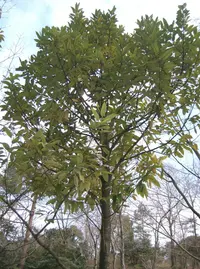
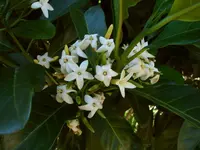
Brown gardenia, Atractocarpus fitzalanii, is a tropical evergreen shrub or small tree valued for its glossy leaves and strongly scented white flowers. It forms a dense, rounded crown and can be grown as a specimen plant, informal hedge, or large container plant in warm climates.

This species is native to rainforests of northeastern Australia, where it grows in warm, humid, sheltered habitats. It prefers bright filtered light, evenly moist but well-drained soil, and protection from cold winds.

Flowering fragrance and humidity needs make it slightly more demanding than basic houseplants, but it is manageable for attentive growers. Understanding how to care for Brown Gardenia mainly involves providing stable warmth, good light, and consistent moisture without waterlogging.

Main Plant Requirements

Care Difficulty

Moderate Care

Light Preference

Partial Shade

Water Requirements

Regular Water

Temperature Preference

Tropical / Frost Sensitive

Hardiness Zone

11–12

Soil Texture

Loamy, Sandy, Organic-rich

Soil pH

Acidic (5.5–6.5), Slightly acidic (6.5–7.0)

Soil Drainage

Moist but well-drained

Fertilization

Light (every 4–6 weeks)

Get Personalized Care Plan

Scan your plant to receive care tips personalized for your specific plant

Available on iOS and Android

How to Care for the Brown Gardenia

This subtropical shrub prefers bright, gentle light that mimics a forest edge.

  • Provide 3–5 hours of soft morning sun with bright, filtered light or light shade for the rest of the day.
  • Tolerates partial shade, but very deep shade reduces flowering and causes sparse, stretched growth in Brown Gardenia.
  • Avoid harsh midday and afternoon sun in hot climates, which can scorch leaves; in winter, allow more direct morning sun to compensate for shorter days.

Watering should keep the root zone evenly moist but never saturated.

  • Before watering, let the top 3–5 cm of soil feel dry, then water slowly so moisture reaches the deeper roots without pooling.
  • In warm growing seasons, increase watering as foliage feels firm and soil dries faster; reduce in cooler months while preventing the soil from becoming dust-dry.
  • Watch for yellowing, soft leaves and a sour smell as signs of overwatering, and for dull, curling, or crisp-edged leaves as signs the Atractocarpus fitzalanii is too dry.

This species thrives in warm, frost-free conditions typical of a humid subtropical climate.

  • Aim for 65–82°F (18–28°C) for steady growth, avoiding sudden swings of more than about 10°F (6°C) in a day.
  • The shrub is damaged below about 40°F (4°C) and can be killed by frost, so provide protection or move potted plants before cold snaps.
  • Tolerates brief heat up to 90–95°F (32–35°C) if soil moisture is stable and roots are shaded, but prolonged extreme heat can slow growth and stress the plant.

This species benefits from moderate to high humidity, especially in heated or air-conditioned homes.

  • Aim for 50–70% humidity to support steady growth and flowering in Brown Gardenia.
  • In dry air, leaf tips may brown, buds may drop, and new growth can become thin or distorted.
  • Increase humidity with a pebble tray under the pot, grouping plants, or a room humidifier rather than frequent misting.

This plant prefers slightly acidic, moist, well-drained soil with a loose, organic-rich structure.

  • Use a mix of 40% fine pine bark, 40% peat or coco coir, and 20% perlite or pumice for aeration and drainage.
  • Target a soil pH of 5.5–6.5, which supports nutrient uptake and reduces risk of leaf chlorosis (yellowing).
  • Ensure the mix drains freely within a few seconds of watering but still feels lightly moist when pinched.
  • Avoid heavy clay, compacted mixes, or standing water, which promote root rot and poor oxygen supply to roots.

This species adapts well to container growing when the pot and substrate are chosen to manage moisture and root space.

  • Select a deep, slightly wider-than-rootball pot to allow the woody root system to extend without circling tightly.
  • Choose a stable, heavier container material if grown tall, so wind or uneven weight does not tip the plant.
  • Elevate the pot on feet or bricks so drainage holes stay clear and excess water escapes quickly after watering.

This rainforest shrub benefits from modest, consistent feeding during the warm growing season.

  • Use a balanced slow-release fertilizer (around 10-10-10 or similar NPK) or well-rotted compost at the start of spring.
  • Feed container-grown Brown Gardenia every 6–8 weeks in spring and summer at half the label strength.
  • Avoid fertilizing in late fall and winter when growth slows, especially in cooler regions.
  • Water before and after applying fertilizer to reduce root burn and help nutrients move into the root zone.

Pruning helps keep Atractocarpus fitzalanii compact, healthy, and flowering well in gardens or containers.

  • Carry out main pruning in late winter or early spring before strong new growth starts.
  • Remove dead, diseased, or crossing branches first, then thin crowded interior stems for better light and airflow.
  • Shorten long, leggy shoots to maintain a balanced shape and encourage denser branching.
  • Use clean, sharp bypass pruners and make cuts just above a leaf node or lateral branch.

This species is often grown in the ground, but container plants or young specimens benefit from careful transplanting.

  • Look for roots circling the pot base, water running straight through, or slowed growth as signs a plant needs a larger container.
  • Schedule transplanting or repotting for late winter to early spring, before vigorous new growth, every 2–3 years for potted plants.
  • Move to a pot only 1–2 in wider with a well-draining, slightly acidic mix and position at the same soil depth as before.
  • Water thoroughly after transplanting, keep the plant shaded and sheltered for 1–2 weeks, and avoid strong feeding until new growth appears.

This shrub is most reliably propagated from semi-hardwood cuttings under warm, humid conditions.

  • Take semi-hardwood tip cuttings in late spring to late summer from healthy, non-flowering stems.
  • Remove lower leaves, dip the cut end in rooting hormone, and insert into a free-draining mix such as 50% perlite and 50% peat or coco coir.
  • Maintain bottom warmth around 70–75°F, high humidity, and bright, indirect light to encourage rooting.
  • Seed propagation is possible but slow; sow fresh seed in a warm, consistently moist, free-draining medium.

This tropical plant is frost-tender and needs protection in regions with cold winters.

  • In-ground plants in marginal climates benefit from 5–8 cm of organic mulch over the root zone, kept slightly away from the stem.
  • Wrap young stems with breathable horticultural fleece during light frosts in cooler areas.
  • Move container plants indoors or into a heated greenhouse when temperatures approach 40°F, providing bright, indirect light and reduced watering.

Care Tips

Container root management

For potted plants, slide the root ball out of the pot once a year in late winter to check for circling roots and lightly tease or prune only those that spiral tightly, which keeps growth compact and reduces stress without shocking the plant.

Salt-sensitive placement

Avoid planting near pools, driveways, or paths that receive de-icing salts or heavy road spray, since this species is relatively sensitive to soil salinity and will show leaf burn and tip dieback if exposed over time.

Wind and branch support

In exposed sites, install a single sturdy stake on the windward side and loosely tie the main stem with soft ties, then remove the stake after 1–2 growing seasons once the trunk has thickened and stabilized.

Mulch to protect roots

Apply a 5–7 cm layer of fine bark or leaf mulch over the root zone, keeping it 3–5 cm away from the stem, to buffer soil temperature and moisture and to protect the fairly shallow roots from heat and physical damage.

Routine pest scouting

Inspect leaf undersides and new growth every 2–3 weeks for scale insects, mealybugs, and sooty mold, and if found, wipe affected areas with a cotton pad dipped in insecticidal soap to keep infestations small and easier to manage when caring for Brown Gardenia.

Common Pests and Diseases

Scale insects

This pest feeds on sap along young stems and leaf undersides, often causing yellowing foliage, sticky honeydew, and sooty mold on Brown gardenia shrubs.

Solution

Prune out heavily infested twigs, then gently wipe remaining insects from stems and leaves with a cloth dipped in diluted insecticidal soap or horticultural oil, repeating every 7–10 days until control is achieved; improve light and air circulation to reduce reinfestation.

Mealybugs

These insects hide in leaf axils and along stems, forming white cottony clusters that weaken growth and distort new leaves.

Solution

Dab individual clusters with cotton swabs dipped in isopropyl alcohol, then follow with a thorough spray of insecticidal soap, taking care to reach crevices and repeating treatments weekly until no new mealybugs appear.

Sooty mold

This disease develops as a black, powdery coating on leaves and stems, growing on the sugary honeydew excreted by sap-sucking pests such as scale and mealybugs.

Solution

First control the underlying insect infestation, then gently wash affected foliage with lukewarm water and a mild, diluted soap solution to remove mold, and ensure better air flow and filtered light to help new clean foliage develop.

Leaf spot

This disease causes irregular brown to dark spots on leaves, sometimes with yellow halos, and can lead to premature leaf drop in humid or poorly ventilated conditions.

Solution

Remove and discard affected leaves, avoid overhead watering, and improve spacing and airflow around the plant; if spotting progresses, apply a copper-based or other labeled ornamental fungicide according to directions during warm, wet periods.

Interesting Facts

Tropical rainforest understory

This species is native to lowland and upland rainforests of northeastern Queensland, where it naturally grows as a small tree in the shaded understory rather than in full, open sun.

Large fragrant blossoms

It produces relatively large, white, strongly scented flowers along the stems, a trait typical of the coffee family (Rubiaceae), and the perfume is especially noticeable in warm, still air.

Fleshy orange fruits

After flowering, it develops fleshy, orange, berry-like fruits that are eaten by birds in its native habitat, helping to distribute the seeds through the forest.

Botan icon

Did you know?

This species is one of the few rainforest shrubs from northeastern Australia that has been widely adopted as a compact hedging and topiary plant in subtropical and tropical landscaping, valued for its combination of glossy foliage, scented flowers, and neat natural form.

FAQs about Brown Gardenia

Lack of flowers usually comes from insufficient light, irregular watering, or low nutrients. Cool drafts or pruning at the wrong time can also remove flower buds. Stabilize conditions and avoid heavy pruning after buds have formed.

Grow Healthy Plants with Botan Care

Keep your plants happy and healthy with plant identification, disease detection, and easy care guidance.

Botan plant care app — identify plants on mobile

Explore More Plants