Flooding For Growth
Where space and regulations allow, create a shallow winter-spring flood zone around the tree for several weeks to mimic natural swamp cycles and encourage stronger root development and better vigor.

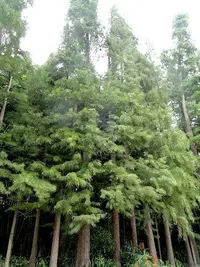
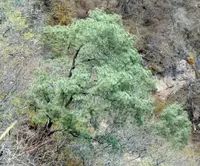
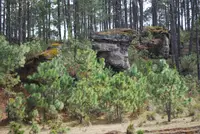
Pond cypress, Taxodium distichum var. imbricarium, is a deciduous conifer that keeps fine, feathery foliage and a narrow, upright crown. It often appears more slender and delicate than the related bald cypress. In nature it grows in wetlands, ponds, and poorly drained soils across the southeastern United States, showing strong tolerance to flooding and seasonal water level changes. The tree prefers full sun, consistently moist soil, and can adapt to a range of substrates if drainage is not extreme. These traits make it durable once established, but its eventual size and need for ample moisture are key factors when planning how to care for Pond Cypress.

Care Difficulty
Moderate Care

Light Preference
Full Sun

Water Requirements
Aquatic

Temperature Preference
Cold Hardy

Hardiness Zone
5–9

Soil Texture
Sandy, Loamy, Clay

Soil pH
Acidic (5.5–6.5), Slightly acidic (6.5–7.0)

Soil Drainage
Waterlogged tolerant

Fertilization
Minimal (feed rarely)
Scan your plant to receive care tips personalized for your specific plant
Available on iOS and Android
This conifer performs best in full sun but tolerates some light shade, especially in hot regions.
This species is adapted to wet conditions and benefits from consistently moist soil, especially while establishing.
This hardy conifer tolerates a wide temperature range but shows strongest growth under moderate conditions.
This species naturally prefers moist air near wetlands, but humidity is rarely a limiting factor in outdoor cultivation.
This wetland conifer thrives in saturated to moist, oxygenated soil with high organic content.
This species can be grown in containers for several years, mainly as a young specimen or bonsai-style tree.
Taxodium distichum var. imbricarium grows well in average soil and usually needs only light fertilization in managed landscapes.
Pruning Taxodium distichum var. imbricarium is mainly structural and corrective rather than intensive.
This species is usually grown in the ground, so guidance focuses on transplanting young trees from containers or nursery rows.
Propagation of Taxodium distichum var. imbricarium is commonly done from seeds and semi-hardwood cuttings in controlled conditions.
This deciduous conifer is notably cold hardy and usually requires minimal winter care once established in the landscape.

Plant Health Check
Not sure what's wrong with your plant? Check your plant's health inside the app.
This variety develops a distinctly narrower, more columnar crown with finer, more closely set foliage than typical bald cypress, which makes it especially recognizable in open landscapes and urban plantings.
Unlike many bald cypress forms that often produce prominent woody knees around their base in wet soils, this variety is notably less prone to forming large pneumatophores, especially on well-drained sites.
Although native to wet coastal plains and pond margins in the southeastern US, this taxon tolerates periodically dry, upland sites better than many other swamp-adapted conifers, which broadens its horticultural use and supports growing Pond Cypress in managed landscapes.

In its native range in the southeastern United States, this variety often forms nearly pure, even-aged stands around isolated ponds, reflecting its ability to regenerate vigorously after periodic water-level changes and disturbance events such as fire along pond margins.
Growth is moderate in most landscapes. Young trees often add 30–60 cm in height per year, occasionally more in ideal moisture and soil conditions. Growth slows with age but continues steadily for many decades.
Keep your plants happy and healthy with plant identification, disease detection, and easy care guidance.