


Encourage Column Strength
Rotate the pot 90° every 2–3 weeks so light reaches all sides evenly, which reduces leaning and helps the tall columns develop stronger, more balanced tissue.

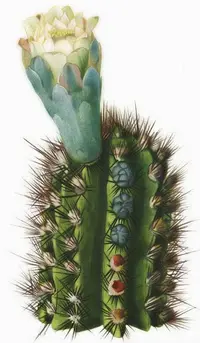
Deering's tree cactus, Pilosocereus polygonus, is a tall, columnar cactus known for its bluish-green ribbed stems and short, bristly spines. Mature plants can form branching, tree-like clumps in suitable climates.
This species is native to dry, rocky habitats in the Caribbean and parts of tropical America, where it thrives in intense sun and very well-drained soils. Its drought tolerance and slow to moderate growth make it relatively straightforward for those who learn how to care for Deering's tree cactus.
It prefers bright, direct light, infrequent deep watering, and a gritty, fast-draining mix to avoid root problems. In containers, it suits growers who can provide strong light and avoid overwatering.

Care Difficulty
Moderate Care

Light Preference
Full Sun

Water Requirements
Low Water

Temperature Preference
Tropical / Frost Sensitive

Hardiness Zone
10–12

Soil Texture
Sandy, Loamy, Rocky

Soil pH
Slightly acidic (6.5–7.0), Neutral (7.0)

Soil Drainage
Well-drained

Fertilization
Minimal (feed rarely)
Scan your plant to receive care tips personalized for your specific plant
Available on iOS and Android
This columnar cactus prefers strong sun but needs gradual acclimation to avoid scorch.
This desert cactus needs infrequent, deep watering and very fast-draining soil.
This species thrives in warm, frost-free conditions with good airflow.
This species handles typical indoor humidity well and rarely needs special humidity management.
This cactus needs very fast-draining, mineral-heavy soil to prevent root and stem rot.
This species is well suited to container growing when the pot is chosen to balance fast drainage with stability.
This desert cactus needs modest feeding to support steady growth in containers, while in-ground plants of Deering's tree cactus often manage with poor soils.
Pilosocereus polygonus needs minimal pruning, mainly to keep the plant safe, stable, and tidy.
This species grows large and is more often transplanted outdoors than repotted frequently in containers.
This cactus is usually propagated from stem cuttings, with seeds used mainly for larger-scale or specialist growing.
This warm-climate cactus is frost-sensitive and needs careful winter management in most temperate regions.

Plant Health Check
Not sure what's wrong with your plant? Check your plant's health inside the app.
This species naturally grows on exposed limestone and coastal rocks in the Caribbean, tolerating very alkaline, mineral-rich substrates that would stress many other cacti.
In habitat it can form upright, branching columns that resemble small trees, contributing to dry forest structure and offering perches and shelter for birds and other wildlife.
Its tubular, pale flowers open mainly at night and produce abundant nectar, adapted for pollination by nocturnal bats in its native range.

The bluish to gray-green stems of this cactus are coated with a waxy cuticle that helps reflect intense tropical sunlight and reduce water loss, giving mature plants their characteristic glaucous, almost ghostly appearance in coastal scrub and dry forest habitats.
Growth is moderate in warm climates, often 15–30 cm per year outdoors. In-ground specimens may eventually reach 3–6 m tall, while container plants usually stay shorter due to root restriction and occasional pruning.
Keep your plants happy and healthy with plant identification, disease detection, and easy care guidance.

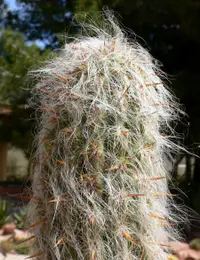
Old Man of the Andes
Oreocereus celsianus
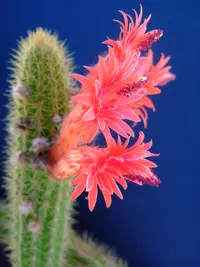
Cleistocactus samaipatanus
Cleistocactus samaipatanus
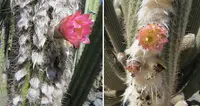
Pilosocereus purpusii
Pilosocereus purpusii
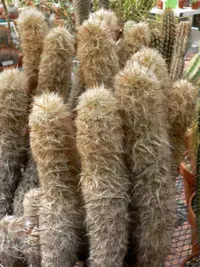
Old Man of the Mountain
Oreocereus trollii
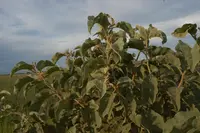
wolf-apple
Solanum lycocarpum
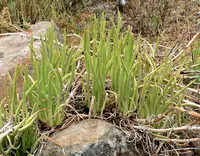
fingertips
Dudleya edulis
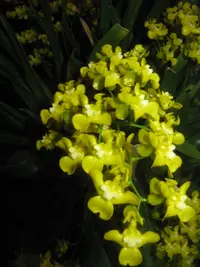
Oncidium cheirophorum
Oncidium cheirophorum
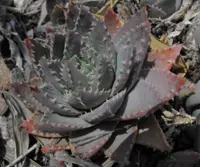
Short-leaved aloe
Aloe brevifolia