African locust bean Care (Parkia biglobosa)

Also known as: Néré
African locust bean

About African locust bean

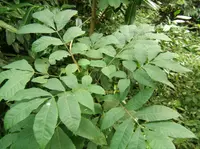
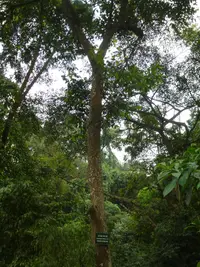
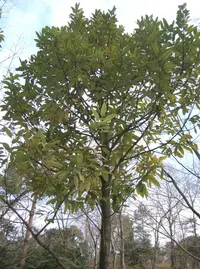
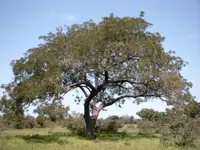
African locust bean, Parkia biglobosa, is a long-lived deciduous tree native to the savannas and drier regions of West and Central Africa. It can reach impressive size with a broad, spreading crown and feathery, bipinnate foliage that casts light shade.

The tree produces elongated pods containing nutritious seeds and sweet pulp, widely used for food and traditional products. It is adapted to seasonal drought, poor soils, and high temperatures, which makes it resilient once established but slow to start.

Gardeners who want to care for African locust bean should note its preference for full sun, well-drained soil, and protection from prolonged waterlogging or severe frost.

Main Plant Requirements

Care Difficulty

Moderate Care

Light Preference

Full Sun

Water Requirements

Moderate Water

Temperature Preference

Tropical / Frost Sensitive

Hardiness Zone

10–12

Soil Texture

Sandy, Loamy, Clay

Soil pH

Slightly acidic (6.5–7.0), Neutral (7.0)

Soil Drainage

Well-drained

Fertilization

Minimal (feed rarely)

Get Personalized Care Plan

Scan your plant to receive care tips personalized for your specific plant

Available on iOS and Android

How to Care for the African locust bean

Parkia biglobosa is a sun-loving tropical tree that needs strong light for healthy growth.

  • Provide 6–8 hours of direct sun daily in open ground; full sun from morning to mid-afternoon supports dense canopy and good pod production.
  • Tree tolerates light partial shade, especially early or late in the day, but prolonged shade reduces flowering and weakens growth of African locust bean.
  • In very hot regions, protect young trees from harsh late-afternoon sun with temporary shade; avoid planting where tall structures will block dry-season sun.

This deep-rooted savanna tree prefers thorough but infrequent watering once established.

  • Allow the top 5–10 cm of soil to dry before watering young trees; use slow, deep irrigation so moisture reaches the developing taproot.
  • Choose well-drained, sandy or loamy soil to prevent waterlogging; persistent puddling, leaf yellowing, and stem softening indicate overwatering of Parkia biglobosa.
  • In hot dry seasons, watch for dull, folding leaves as a sign to water; reduce frequency during cooler or rainy periods to avoid root rot.

This species thrives in warm, frost-free climates with distinct dry and wet seasons.

  • Ideal growth occurs at 77–95°F (25–35°C), where the tree maintains active photosynthesis and strong shoot extension.
  • It tolerates brief peaks up to about 104°F (40°C) if soil moisture is adequate, but young trees benefit from a mulch layer to limit root-zone overheating.
  • The tree is highly sensitive to frost; growth slows below 59°F (15°C) and tissue damage can occur near 32°F (0°C), so avoid planting in frost-prone low spots.

This species tolerates a wide humidity range and usually does not need special humidity control in cultivation.

  • Target 40–60% relative humidity; brief drops lower than this are usually tolerated without lasting damage.
  • Leaves may curl, brown at the tips, or drop early if kept in very dry, heated indoor air for long periods.
  • If needed, increase local humidity with grouped plants, a pebble tray under the pot, or short periods in a more humid room when air is very dry.

Parkia biglobosa prefers well‑structured, freely draining soil that still holds moderate moisture.

  • Use a loamy mix with 40% compost, 40% coarse sand, and 20% perlite to balance moisture retention and aeration.
  • Aim for slightly acidic to neutral pH, around 6.0–7.0, since strongly alkaline soils can reduce nutrient availability.
  • Ensure water drains through in seconds, not minutes; heavy, compacted, or clay‑rich soils should be opened with coarse sand and perlite.
  • Avoid waterlogged sites or pots without free drainage, which encourage root rot and poor seedling establishment.

This tree can be grown in containers at the juvenile stage, but long‑term culture is challenging due to its eventual size.

  • Choose a deep, heavy container that resists tipping as the woody stem elongates and canopy mass increases.
  • Use a coarse, fast‑draining mix so excess water exits quickly, preventing prolonged saturation around the taproot zone.
  • Position the container where it cannot overheat on all sides, since thin plastic pots can cause rapid root‑zone temperature spikes in full sun.

Parkia biglobosa benefits from light, targeted feeding but often grows acceptably in reasonably fertile ground.

  • Use a balanced slow-release fertilizer (around 10-10-10) or well-rotted compost at the start of the warm growing season.
  • Apply fertilizer once at leaf flush; in poor soils, a second light dose mid-season can support steady growth.
  • Use half-strength rates compared with heavy-feeding trees to avoid excessive, weak shoot growth.
  • Stop feeding in late summer and do not fertilize during cool, dormant periods.

Pruning Parkia biglobosa focuses on structural safety and access rather than frequent canopy shaping.

  • Carry out main pruning in late dry season or just before active growth to limit stress and speed healing.
  • Remove dead, diseased, rubbing, or storm-damaged branches first, using clean, sharp bypass loppers or a pruning saw.
  • Thin congested inner branches to improve light penetration and airflow, encouraging a balanced, stable crown.
  • Limit heavy cuts; maintain a single strong leader and well-spaced scaffold branches to support long-term form and pod production.

This species is usually field-grown; any container phase for Parkia biglobosa is brief before planting to a permanent site.

  • Transplant when young plants show roots circling the pot base or slowed top growth, ideally at the start of warm, rainy weather.
  • Keep seedlings 1–2 years in containers at most, then shift into deep, well-drained ground with full sun.
  • Water thoroughly the day before and after transplanting to limit root stress and collapse of the soil root ball.
  • Mulch 5–8 cm around, but not touching, the stem to conserve moisture and support root establishment.

New Parkia biglobosa plants are produced mainly from seed, with vegetative methods used less often.

  • Collect fully mature pods and extract seeds, discarding any damaged or moldy material.
  • Scarify hard seed coats by nicking with a knife or brief hot-water soaking to improve water uptake and germination.
  • Sow in a warm medium (75–85°F), using a deep container or nursery bed with free drainage and full sun.
  • Keep evenly moist but not waterlogged; thin or prick out seedlings once the first true leaves are firm and sturdy.

This tropical tree is frost-sensitive and needs protection or a warm climate for long-term survival.

  • In regions with frost, grow in large containers and move indoors or into a heated greenhouse before temperatures drop below 40°F.
  • For short, mild cold snaps, wrap young trunks with breathable frost cloth and mulch the root zone 5–8 cm deep.
  • Water sparingly in cool conditions, keeping soil just slightly moist to reduce root rot risk while the tree is semi-dormant.

Care Tips

Deep root training

In the first 2–3 years, encourage a strong taproot by watering less frequently but deeply and avoiding root disturbance, which improves long-term drought tolerance and wind stability.

Early structural pruning

Select a single dominant leader and remove closely competing stems or very low branches during the dry season to create a clear trunk and strong framework that can support heavy pods later in life.

Wind and stake management

Stake young trees only in exposed, windy sites, tying loosely with a soft tie and removing stakes after 1–2 years to allow the trunk to strengthen naturally.

Rhizobium inoculation

When planting in nutrient-poor or previously uncultivated soil, dust the roots or planting hole with a compatible Rhizobium inoculant to improve nitrogen fixation and reduce future fertilizer needs.

Pod and litter handling

Regularly collect fallen flowers, pods, and leaves from under the canopy to reduce fungal disease pressure and discourage rodents and insects attracted to decomposing material.

Common Pests and Diseases

pod‑boring beetles

These insects feed inside developing pods, reducing seed quality and causing premature pod drop. Symptoms include small entry holes, frass, and shriveled seeds in African locust bean pods.

Solution

Collect and destroy heavily infested pods after harvest, and avoid leaving fallen pods under the tree to break the beetle life cycle. In orchard or farm settings, use light traps or pheromone traps where available and coordinate with local extension services on timing of low‑impact insecticide sprays targeting adults before egg‑laying.

flower thrips

These insects attack flower buds and young pods, causing browning, deformation, and poor pod and seed set. This pest is favored by hot, dry weather and dense flowering canopies.

Solution

Monitor flowering branches regularly and prune to open the canopy and improve airflow. For serious damage, wash flowers and young pods with a firm stream of water where practical and apply insecticidal soap or neem‑based products in the early morning, repeating as needed according to product directions.

stem and branch borers

These insects tunnel in young stems and branches, leading to wilting shoots, branch dieback, and structural weakness. Symptoms include small round exit holes, sawdust‑like frass, and sometimes internal galleries when branches are cut open.

Solution

Prune and burn or remove infested branches as soon as damage is noticed to prevent adult emergence and further spread. Keep trees vigorous through proper watering and balanced fertilization, and in plantation settings use protective trunk banding or wraps on young trees along with monitoring traps for adult borers.

leaf spot complex

This disease causes small brown or dark lesions on leaves that may merge into larger dead patches, leading to premature leaf drop, especially on young trees. It is usually caused by several foliar fungi that thrive in warm, humid conditions.

Solution

Rake and destroy fallen leaves to reduce fungal spores and avoid overhead irrigation in managed plantings. Improve spacing and pruning to increase light and airflow, and in high‑value stands consider targeted copper or other labeled foliar fungicide sprays at the start of the rainy season, following local African locust bean care instructions and regulations.

root‑knot nematodes

These microscopic roundworms attack the roots, forming galls and reducing the tree’s ability to take up water and nutrients. Symptoms include stunted growth, pale foliage, and poor response to fertilization, especially on young nursery stock or recently planted trees.

Solution

Inspect roots of declining seedlings for galls and discard heavily infested stock. Use nematode‑free nursery soil or raised, solarized beds, rotate nursery areas with non‑host cover crops, and incorporate organic matter to support beneficial soil organisms that naturally suppress nematode populations.

Interesting Facts

Fermented seed condiment

The seeds are traditionally fermented to produce a strong-smelling, protein-rich seasoning known as iru, dawadawa, or soumbala, which is widely used in West African cooking as a flavor enhancer.

Dry-season pod production

This species flowers and sets pods during the dry season in the Sudanian savanna, providing an important source of food and income when many other crops are scarce.

Nitrogen-fixing savanna tree

As a leguminous tree, it forms symbiotic relationships with nitrogen-fixing bacteria in its root nodules, helping improve soil fertility in the nutrient-poor savannas where it grows.

Botan icon

Did you know?

Parkia biglobosa can form extensive, culturally protected parkland landscapes across parts of West Africa, where individual trees are often inherited and managed across generations as valuable family assets due to their long lifespan and steady seed production.

FAQs about African locust bean

Yes. Seeds need scarification, usually by nicking the coat or brief hot-water soaking, then warm, well-drained soil. Germination is often improved by fresh seed, consistent moisture, and temperatures around 75–85°F when trying to grow Parkia biglobosa.

Grow Healthy Plants with Botan Care

Keep your plants happy and healthy with plant identification, disease detection, and easy care guidance.

Botan plant care app — identify plants on mobile

Explore More Plants